

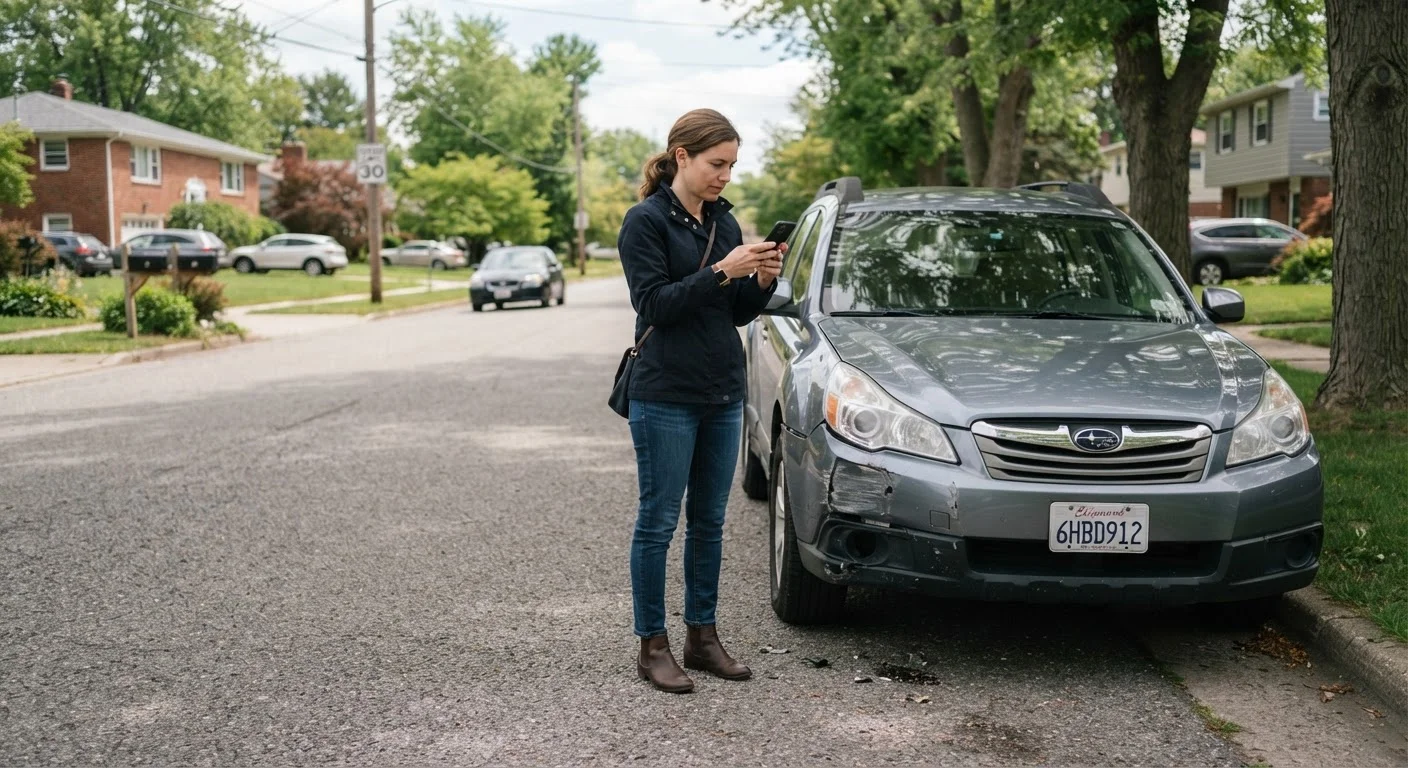
What to Expect From the Claims Process
Filing an auto insurance claim can feel overwhelming in the moments after an accident — but the process follows a predictable structure once you know what to expect. Understanding each stage helps you stay organized, avoid missteps, and communicate clearly with your insurer. This walkthrough covers the full sequence from the accident scene to claim resolution.
Before you begin, it helps to have the right information and tools on hand. Review what you'll need below, then follow the steps in order.
What you will need
Insurance Card
Provides your policy number, insurer contact, and coverage period — required when exchanging information with other parties.
Smartphone with Camera
Used to photograph vehicle damage, the accident scene, license plates, and any relevant road conditions.
Accident Information Form
A structured form for recording the other driver's details, witnesses, and incident specifics at the scene.
Police Report Number
A reference number from law enforcement that insurers use to verify the incident details independently.
Ensure Safety and Call 911 If Needed
Before anything else, check yourself and passengers for injuries. If anyone is hurt or if the vehicles are blocking traffic, call 911 immediately. In many states, you are legally required to report accidents involving injury, death, or property damage above a certain dollar threshold. Even when injuries aren't apparent, a police report creates an official record that supports your claim.
Document the Scene Thoroughly
Once it's safe, gather as much evidence as possible before vehicles are moved or conditions change. Photograph all vehicles involved from multiple angles, capturing damage, license plates, and the surrounding scene. Note the time, date, weather, road conditions, and any traffic signals or signs nearby. Collect contact information from the other driver and any witnesses.
- Other driver's name, license number, and insurer
- Vehicle make, model, color, and plate number
- Witness names and phone numbers
- Photos of all visible damage and the broader scene
Notify Your Insurance Company
Contact your insurer as soon as reasonably possible after the accident — ideally the same day. Most insurers have 24-hour claims hotlines and mobile apps that let you begin a claim immediately. You'll provide basic incident details, your policy number, and a description of the damage. The insurer will assign a claim number, which you should record and reference in all future communications.
Work with the Claims Adjuster
Your insurer will assign a claims adjuster — an employee or independent contractor who investigates the accident and estimates repair costs. The adjuster may inspect your vehicle in person, review photos you submitted, or both. They'll also review the police report and may contact the other driver's insurer if fault is disputed. Be cooperative but factual: answer questions based on what you know, not what you assume.
Understand What Your Policy Covers
The adjuster's findings are matched against your active coverages. For example, collision coverage pays for damage to your vehicle from an accident regardless of fault, while liability coverage pays for damage or injury you cause to others. Comprehensive coverage applies to non-collision events like theft or weather damage. Your coverage types determine what the insurer will pay for — and what falls to you.
Your deductible — the amount you agreed to pay out of pocket when you purchased the policy — is subtracted from the settlement before you receive any payment. If repair costs are below your deductible, your insurer pays nothing for that claim.
Review the Settlement Offer and Respond
Once the adjuster completes their assessment, your insurer will make a settlement offer — either authorizing repairs up to an estimated amount or, if your car is totaled, offering an actual cash value (ACV) payout. ACV reflects the vehicle's market value before the accident, not the cost to replace it with a new equivalent model. Review the offer carefully. If you believe the estimate is inaccurate or the ACV is lower than fair market value, you have the right to dispute it. You can provide supporting evidence such as comparable vehicle listings or a second repair estimate.
Complete Repairs and Close the Claim
Once you accept the settlement, coordinate repairs with a licensed shop. Depending on your insurer, payment may go directly to the repair shop or to you as a reimbursement. Keep all receipts and documentation related to the repair. After repairs are confirmed complete, the claim is typically closed. If new related damage is discovered during repair, notify your adjuster before work proceeds — do not assume it's automatically covered.
Never Admit Fault at the Scene
Even if you think you caused the accident, do not admit fault to the other driver or bystanders. Fault determination is a legal and insurance matter that involves police reports, adjuster assessments, and sometimes state-specific comparative negligence rules. Statements made at the scene can be used against you during the claims process.
Common Pitfalls and How to Avoid Them
Even drivers who follow the right steps can run into problems if they're not aware of common claims mistakes. Here are a few situations worth understanding in advance.
Late Reporting Can Jeopardize Your Claim
Most auto insurance policies include a requirement to report accidents "promptly" or within a defined window — sometimes as short as 24 to 72 hours. Failing to notify your insurer in time may give them grounds to reduce or deny your claim. Check your policy's reporting requirements now, before you need them.
Gaps in Coverage
One of the most frequent surprises during the claims process is discovering that a particular loss isn't covered. For instance, if you only carry liability coverage and you're at fault in an accident, your own vehicle repairs won't be covered by your policy at all. Collision and comprehensive coverages are optional in most states but are what protect your own vehicle. It's worth reviewing your auto policy annually to confirm your limits and coverages still reflect your needs.
Disputes Over Fault
When two insurers disagree on fault, the claim may take longer to resolve. States use different legal frameworks — some follow fault-based systems, others use no-fault rules — which affect how and from whom you can recover costs. Your adjuster will navigate this, but it helps to understand that a longer timeline doesn't necessarily mean your claim is being denied.
Keep a Claims-Ready Kit in Your Glove Box
Store a printed copy of your insurance card, a blank accident information form, and a small notepad in your vehicle. When you're shaken after an accident, having a checklist ready makes it far easier to gather what you need without forgetting critical details.
If you've recently gone through an insurance claim process for a different type of coverage, the experience can vary significantly. For example, health insurance claim denials follow a separate appeals process with different regulatory rules.
This article provides general information about the auto insurance claims process and is not legal or personalized insurance advice. Coverage terms, requirements, and outcomes vary by policy, insurer, and state. Always consult your policy documents and a licensed insurance professional for guidance specific to your situation.
The content on this site is for informational purposes only and is not a substitute for professional advice. Always consult a qualified professional for guidance specific to your situation.