

The Coverage Gap That UM and UIM Are Designed to Fill
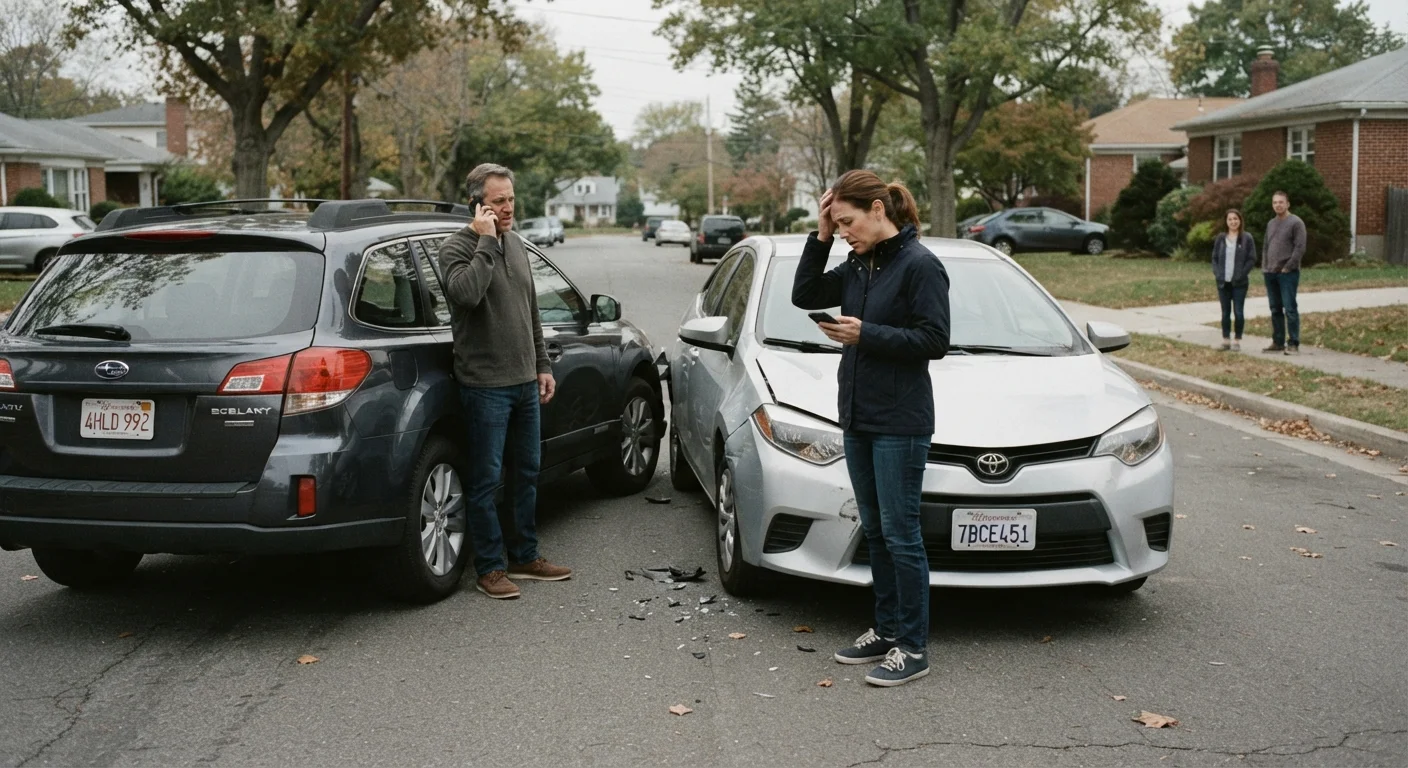
Most drivers understand that liability insurance pays others when you cause an accident. What's less obvious is what happens when the driver who hits you lacks adequate coverage. That's the gap UM and UIM coverage is built to close.
Standard liability insurance follows the at-fault driver — it pays injured parties on their behalf. If that driver's policy is nonexistent or too thin, your own medical bills, lost wages, and related costs can go unpaid through no fault of your own. UM and UIM coverage shifts that financial risk back to your own insurer rather than leaving you to absorb it.
For a broader look at how these coverages fit within your overall policy, see Auto Insurance Coverage Types, Explained.
1 in 8
U.S. drivers estimated to be uninsured
According to the Insurance Research Council, approximately one in eight motorists on American roads carries no auto insurance.
~26%
Estimated uninsured driver rate in highest-risk states
The Insurance Research Council has reported that certain states see uninsured driver rates approaching or exceeding 25%, making UM coverage especially relevant in those areas.
How UM and UIM Work Differently
Uninsured Motorist (UM) coverage applies when the at-fault driver carries no insurance at all, or in most states when the driver flees the scene and cannot be identified — commonly called a hit-and-run. Because there is no at-fault policy to collect from, your UM coverage steps in as the primary source of compensation.
Underinsured Motorist (UIM) coverage applies when the at-fault driver does have insurance, but their limits fall short of your actual damages. UIM typically pays the difference between what their policy covered and what your documented losses are, up to your own UIM limit.
Both coverages are broken into two sub-types you'll commonly see on a policy:
- Bodily Injury (UM/UIMBI): Covers medical expenses, lost wages, pain and suffering, and similar costs for you and covered passengers.
- Property Damage (UM/UIMPD): Covers damage to your vehicle caused by an uninsured driver. Availability and terms vary by state.
It's worth knowing that UM/UIM is entirely separate from collision coverage. Collision pays for your vehicle repairs regardless of fault; UM/UIM focuses primarily on injuries and the circumstances involving an uninsured or underinsured party.
Match Your UM Limits to Your Liability Limits
A widely referenced starting point is to set your UM and UIM limits equal to your own bodily injury liability limits. If you carry $100,000/$300,000 in liability, consider the same for UM/UIM. This creates a proportional safety net whether you're at fault or not. Talk with a licensed agent to determine what makes sense for your situation.
State Requirements and Coverage Limits
The legal landscape for UM and UIM coverage varies considerably across the country. Most states require drivers to carry at least some UM coverage, but minimum dollar thresholds differ — and in some states, drivers can decline the coverage entirely by signing a written waiver.
Minimum required limits are often set at the same level as the state's minimum liability requirements, which in many states are relatively modest amounts. Because medical costs from a serious accident can escalate quickly, many insurance professionals suggest that consumers consider limits well above the state minimum. A commonly referenced rule of thumb is to carry UM/UIM limits that at least equal your own liability limits, creating a proportional layer of protection.
Understanding what your state mandates versus what is optional is an important starting point. Your state's department of insurance publishes this information publicly.
Stacked vs. Unstacked Coverage
Some states allow 'stacking' of UM/UIM coverage, meaning limits from multiple vehicles on the same policy can be combined for a single claim. For example, if you insure two vehicles each with $50,000 in UIM, stacking could make $100,000 available. Not all states permit stacking, and policies differ, so confirm with your insurer whether this option applies to you.
What UM and UIM Don't Cover
Like all insurance coverages, UM and UIM have defined limits and exclusions. A few common ones worth knowing:
- Your own at-fault accidents: UM/UIM only responds when another uninsured or underinsured driver is responsible. It does not pay for losses you cause.
- Intentional acts: Deliberately caused accidents are typically excluded from coverage.
- Commercial use: If you're driving for a rideshare or delivery service when the accident occurs, your personal UM/UIM may not apply. Separate coverage may be needed. See Gaps Drivers Often Overlook in Their Auto Policies for more on this.
- Amounts above your policy limits: UM/UIM pays up to the limits you purchased, not beyond. Any damages exceeding those limits remain your responsibility.
UM/UIM also does not replace medical payments coverage or personal injury protection (PIP), which cover your medical costs regardless of fault. For a comparison of those options, see Personal Injury Protection vs. Medical Payments Coverage.
This article provides general insurance information and education only. Coverage terms, exclusions, and state requirements vary by insurer and location. Always read your actual policy documents and consult a licensed insurance agent or adviser for guidance specific to your situation.
Frequently Asked Questions
No. While most states mandate some form of UM coverage, requirements vary widely. Some states require both UM and UIM; others require only UM or allow drivers to waive it in writing. Check your state's department of insurance for the specific rules that apply where you live.
It depends on your policy and state. Many policies offer Uninsured Motorist Property Damage (UMPD) as a separate sub-coverage that pays for vehicle damage caused by an uninsured driver. Not all states make it available, and it typically comes with a deductible.
Yes, but your UIM payout is generally reduced by whatever the at-fault driver's insurer already paid. For example, if your damages total $60,000 and the other driver's policy pays $25,000, your UIM coverage may cover the remaining gap up to your policy limits.
Generally, yes. UM and UIM bodily injury coverage typically extends to passengers in your car at the time of the accident, as well as to household family members in some circumstances. Review your specific policy language to confirm.
In most states, yes. UM bodily injury coverage typically applies when you are struck by an uninsured vehicle even if you are walking, cycling, or riding as a passenger in someone else's car. Confirm this with your insurer, as policy language differs.
There is no single right answer, as needs vary by individual situation. A widely cited guideline is to match your UM/UIM limits to your own liability limits so your protection is proportional. Consulting a licensed insurance agent can help you assess appropriate amounts for your circumstances.
The content on this site is for informational purposes only and is not a substitute for professional advice. Always consult a qualified professional for guidance specific to your situation.