

Why Irregular Expenses Break Budgets
Most budgets handle monthly fixed bills just fine — rent, utilities, phone. The trouble comes from expenses that are entirely predictable yet arrive infrequently: an annual car insurance premium, back-to-school supplies in August, a holiday spending spike in December. These costs don't fit neatly into a monthly ledger, so many people either ignore them until the bill lands or raid their savings account as if it were an emergency.
The result is a budget that looks balanced most months but falls apart a few times a year. That cycle — spending freely, then playing catch-up — is one of the most common reasons people feel financially stressed even when their income is stable. Sinking funds are specifically designed to break this pattern.
Sinking Funds Are Not Just for Large Expenses
Even small recurring annual costs — a streaming subscription renewal, a gym membership, or a professional license fee — can benefit from a sinking fund approach. If you know a cost is coming and it's large enough to disrupt a single month's budget, it's a candidate. The habit of proactive allocation matters as much as the dollar amount.
How a Sinking Fund Actually Works
The mechanics are straightforward. Identify an upcoming expense, estimate how much it will cost, then divide that amount by the number of months until you need it. That result is your monthly contribution.
Example: If your car registration costs $240 and it's due in 12 months, you set aside $20 per month. When the bill arrives, the money is already sitting there. No stress, no scrambling, no credit card charge you'll carry into next month.
You can run multiple sinking funds at the same time — one for car maintenance, one for annual subscriptions, one for holiday gifts. The key is treating each monthly contribution as a non-negotiable line item in your budget, the same way you treat a utility bill. This habit pairs well with the broader budgeting habits that hold up over time.
Automate Your Monthly Contributions
Set up an automatic transfer on payday so your sinking fund contributions happen before you have a chance to spend that money elsewhere. Automation removes the decision from your to-do list and makes the habit sustainable. Even a modest automatic transfer of $25 to $50 per category builds meaningful reserves over several months.
Sinking Funds vs. Emergency Funds: Not the Same Thing
These two tools are often confused, but they solve different problems. An emergency fund exists for the unknown — an unexpected job loss, a medical surprise, a car breakdown you didn't see coming. A sinking fund exists for the known — costs you can see on the calendar even if you don't know the exact date or amount yet.
Mixing the two is a mistake. If your sinking fund for home repairs and your emergency fund live in the same account with no separation, you'll likely dip into emergency money for routine costs, leaving yourself exposed when a genuine crisis hits.
If you haven't yet built a dedicated emergency fund, that's the better starting point. The beginner's guide to building an emergency fund walks through how to do it even on a tight income. Once that cushion is in place, sinking funds layer on top of it as your next financial move within your savings and debt strategy.
~40%
Americans who couldn't cover a $400 emergency
Federal Reserve surveys have consistently shown a significant share of U.S. adults lack enough liquid savings to cover a modest unexpected expense, highlighting the cost of not planning ahead.
$1,000–$2,000
Average annual vehicle maintenance cost per car
Industry estimates suggest most drivers spend between $1,000 and $2,000 per year on routine maintenance and minor repairs — a predictable cost that's well-suited to a sinking fund.
$932
Average U.S. holiday spending per consumer
According to National Retail Federation data, Americans spend nearly $1,000 on average during the holiday season — a foreseeable annual expense that catches many budgets off guard.
Common Sinking Fund Categories to Consider
The right categories depend entirely on your life. These are among the most practical starting points for most households:
- Vehicle costs: Registration, routine maintenance (oil changes, tires), and inspection fees hit at predictable intervals.
- Home repairs and maintenance: A general rule of thumb is to budget roughly 1% of your home's value annually for upkeep — a sinking fund makes this concrete.
- Annual insurance premiums: If you pay homeowners, renters, or auto insurance annually or semi-annually, spreading the cost monthly removes the sting.
- Holidays and gifts: Birthdays, anniversaries, and seasonal holidays are never a surprise on the calendar — only on your bank statement if you haven't planned.
- Medical and dental out-of-pocket: Even with insurance, routine dental visits and prescription copays add up.
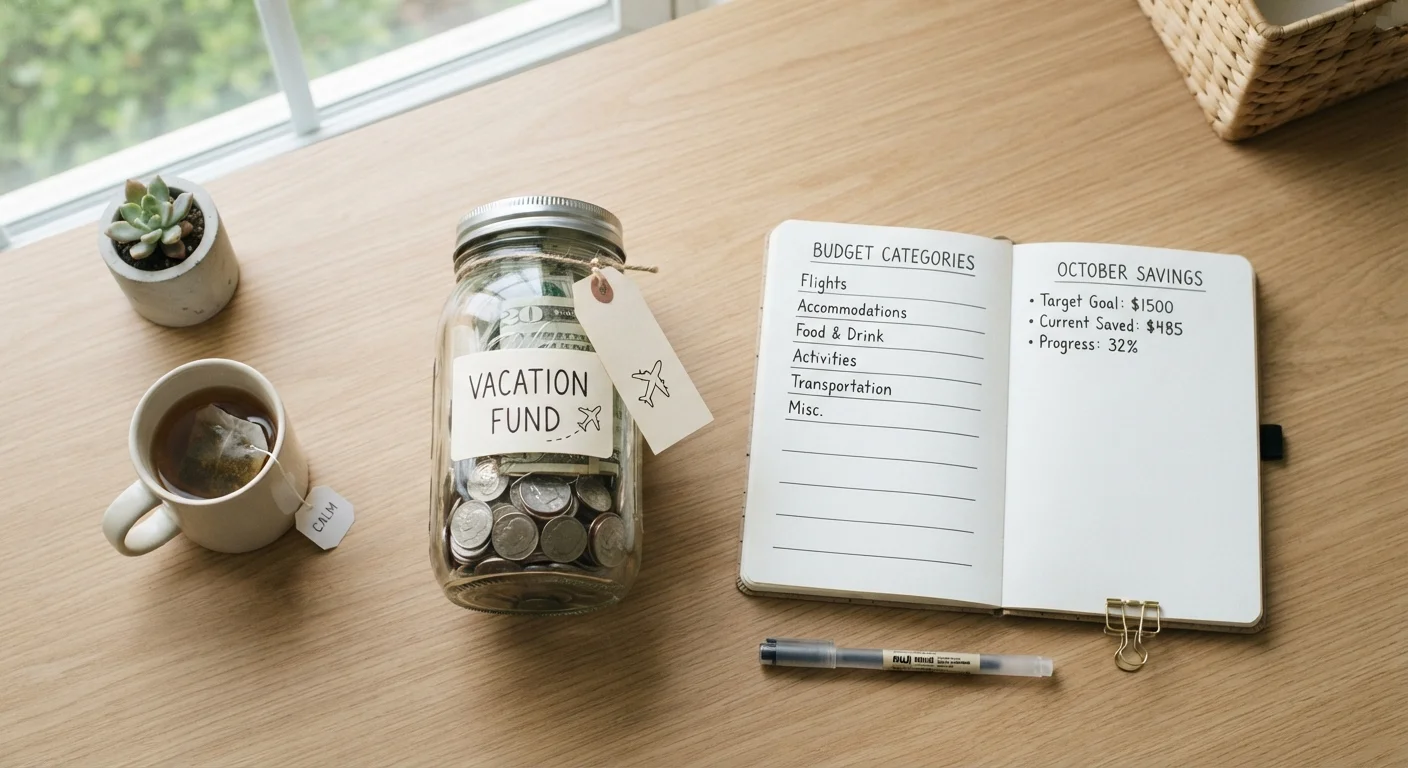
- Travel: A dedicated fund means a planned trip doesn't have to go on a credit card.
As your financial picture becomes more stable, these funds become a foundation for bigger goals. The complete financial roadmap covers how saving tools like this connect to longer-term priorities like debt payoff and, eventually, investing essentials.
This article is for general informational purposes only and does not constitute personalized financial advice. Consult a qualified financial professional for guidance specific to your situation.
Frequently Asked Questions
An emergency fund covers unexpected, unplanned costs — a job loss, a sudden medical bill, or an urgent home repair. A sinking fund covers costs you already know are coming, like annual car registration or holiday gifts. Both are valuable, but they serve distinct purposes. <a href="/money-finance/saving-and-debt/emergency-funds-explained-what-they-are-and-why-they-matter">Learn more about emergency funds</a> and how they complement sinking funds.
There's no fixed number — it depends on your life and expenses. Most people find three to six categories manageable without feeling overwhelmed. Start with the biggest irregular expenses in your budget, then add more as the habit becomes routine.
A high-yield savings account works well since the money earns some interest while remaining accessible. Some banks offer free sub-accounts or savings buckets you can label by goal, which makes tracking straightforward without needing separate accounts for each fund.
You have a few options: roll the leftover into next year's fund for the same category, redirect it toward a different sinking fund, or move it to your emergency fund or another financial goal. A surplus is a good problem to have — it means your estimate was conservative.
Sinking funds are primarily a savings tool, not a debt payoff strategy. That said, you could use one to save for a known upcoming balloon payment on a loan. For broader debt guidance, see the <a href="/money-finance/saving-and-debt/savings-debt-and-everything-in-between-a-complete-financial-roadmap">complete financial roadmap</a>.
The content on this site is for informational purposes only and is not a substitute for professional advice. Always consult a qualified professional for guidance specific to your situation.