

Why Consistency Beats Intensity in Pet Health
Most pet health problems don't appear overnight. They develop gradually — a slow weight gain, a gradual coat change, a tooth that's been neglected for months. That's why the habits you practice consistently matter far more than any single dramatic intervention. Veterinarians broadly agree that preventive, routine care is the most reliable path to a longer, healthier life for companion animals.
This isn't about doing everything perfectly. It's about building a handful of reliable habits that, compounded over months and years, give your pet a meaningful advantage. The practices below reflect what veterinary guidance consistently prioritizes — and most can be integrated into everyday routines without significant time or expense.
For a broader foundation on keeping pets healthy at home, see the Pet Care Basics hub.
Core Health Habits Worth Building
The following practices address the areas where small, sustained effort pays the biggest dividends over a pet's lifetime.
Conduct a brief head-to-tail physical check weekly
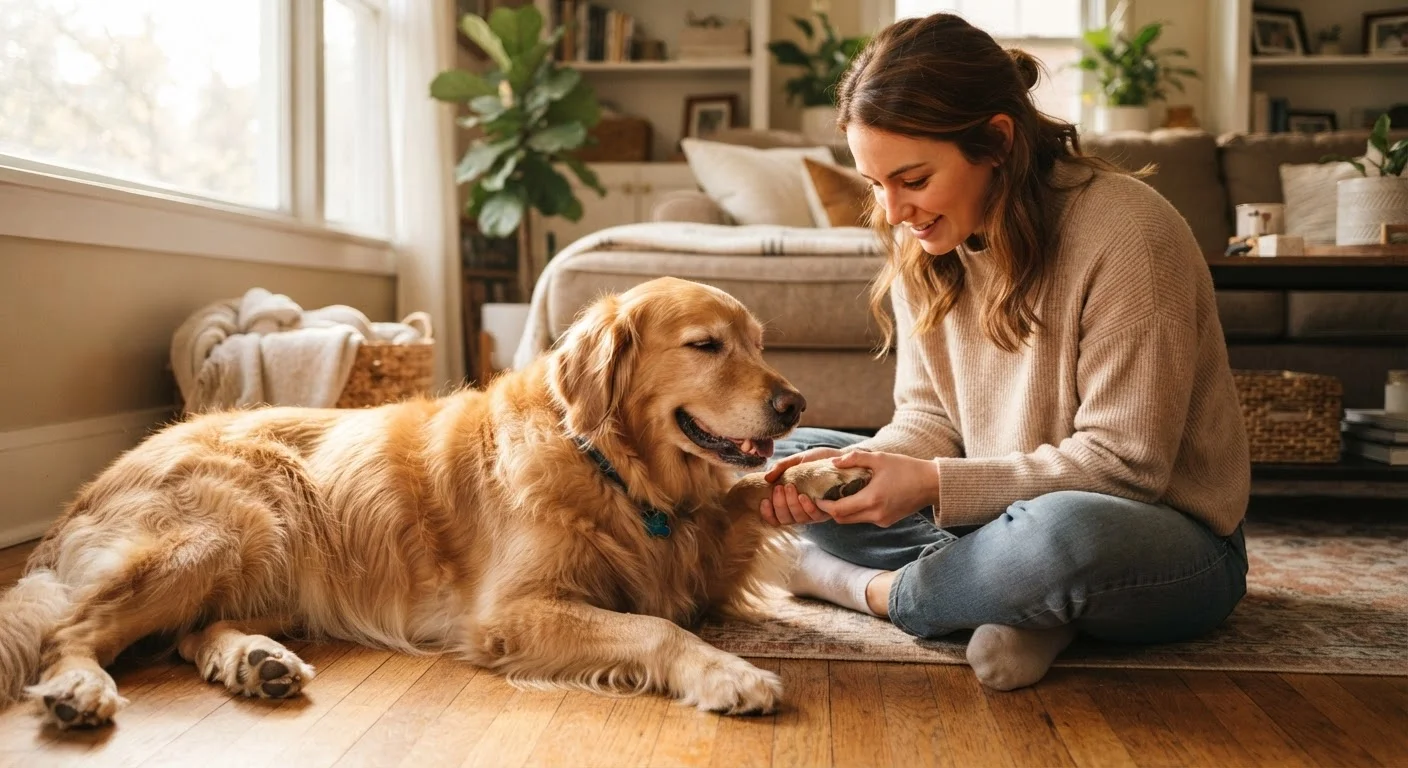
Running your hands over your pet regularly helps you notice lumps, skin changes, tender spots, or swelling while they're still small and manageable. Pets instinctively mask discomfort, so physical inspection is often the only way to detect early problems. Owners who do this routinely tend to bring animals in earlier, when treatment options are broader.
Weigh your pet monthly and track the number
Weight is one of the most objective health indicators available to pet owners, yet most people rely only on visual impression — which is unreliable. Even modest weight gain in small animals represents a significant percentage of body mass. Tracking numbers over time reveals trends that a single observation misses. Overfeeding and underestimating body condition are widespread problems that regular weigh-ins help counteract.
Establish and maintain a dental care routine
Periodontal disease affects the majority of dogs and cats by age three, according to veterinary dental research, yet daily tooth brushing remains rare among pet owners. Poor oral hygiene is linked to systemic health complications affecting the heart, kidneys, and liver. Even partial routines — brushing a few times per week — are significantly better than none. For a practical overview, see what most pet owners overlook about dental care.
Keep vaccination and parasite prevention current year-round
Vaccines and parasite prevention aren't one-and-done interventions — they require ongoing maintenance to remain effective. Lapses in either area can expose pets to preventable diseases and infestations that are far costlier to treat than to prevent. Parasite risks also shift with seasons and geography. See the season-by-season parasite prevention overview and vaccination schedule reference for general guidance.
Provide daily mental stimulation alongside physical exercise
Boredom is a genuine health risk. Animals deprived of mental engagement frequently develop stress-related behaviors — destructive chewing, over-grooming, anxiety — that affect both wellbeing and physical health. Enrichment doesn't require elaborate setups; puzzle feeders, scent work, and varied walk routes all qualify. Mental stimulation is as important as physical exercise for many animals.
Schedule annual — or more frequent — wellness exams, even when your pet seems fine
Pets age faster than humans and often don't show illness until it's advanced. A wellness exam does more than confirm a pet looks healthy — it establishes baselines for bloodwork, weight, and organ function that make future comparisons meaningful. Understanding what your vet checks during a routine visit helps owners make the most of the appointment.
Start Here: Quick Wins You Can Act On Today
Not every improvement requires a vet visit or a major routine overhaul. Several high-impact habits can begin immediately — no special equipment required.
What the Data Suggests About Pet Preventive Care
~80%
Dogs with periodontal disease by age 3
Veterinary dental organizations estimate that the majority of dogs and cats show signs of periodontal disease by age three, making dental care one of the highest-impact neglected habits.
25–30%
Estimated pet obesity prevalence in the U.S.
The Association for Pet Obesity Prevention has consistently found that roughly a quarter to a third of U.S. dogs and cats are overweight or obese, a condition linked to shorter lifespans and joint disease.
2x
Earlier disease detection with annual wellness exams
Veterinary research broadly supports that routine wellness exams improve detection of conditions like kidney disease, diabetes, and cancer at earlier, more treatable stages.
The numbers reinforce what most veterinarians observe in practice: pet owners who engage in consistent preventive habits tend to catch conditions earlier, face lower treatment costs over time, and report higher quality of life for their animals. This isn't a guarantee of any specific outcome — every pet is different — but the pattern across veterinary research is consistent enough to take seriously.
If your pet is entering middle or senior age, the stakes shift further. Health needs change significantly as animals age, and the habits that worked at age two may need updating by age eight or ten.
A Note on Senior and Special-Needs Pets
The habits described here apply broadly, but pets with chronic conditions, senior animals, and those recovering from illness may need more frequent monitoring and adjusted routines. If your pet is in any of these categories, consult your veterinarian about how often to schedule check-ins and which at-home indicators to watch most closely. General guidance is a starting point — your vet's advice for your specific animal takes precedence.
This article provides general health information for educational purposes and is not a substitute for veterinary advice. Always consult a licensed veterinarian for guidance specific to your pet's health needs.
The content on this site is for informational purposes only and is not a substitute for professional advice. Always consult a qualified professional for guidance specific to your situation.