

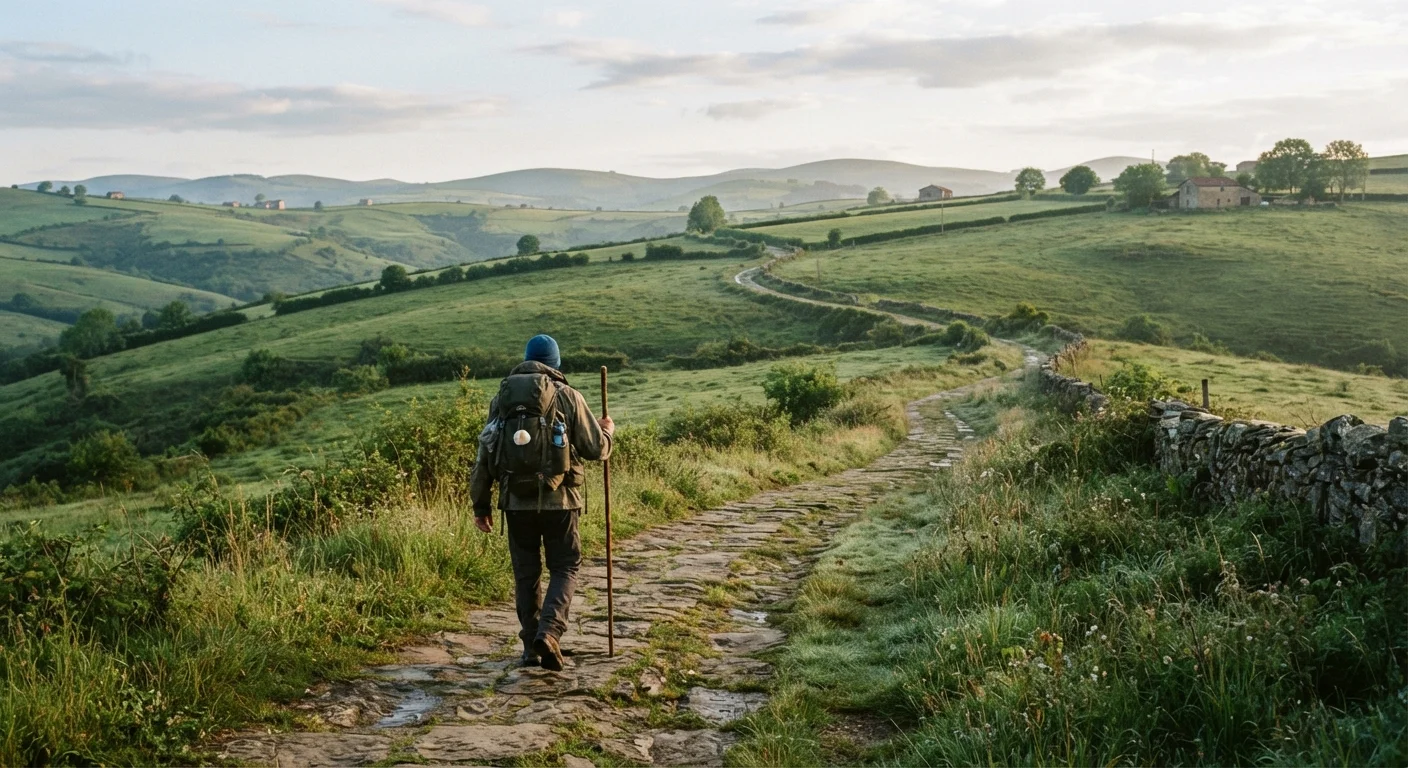
What Makes a Pilgrimage Route Different from a Thru-Hike
Long-distance pilgrimage routes — whether the Camino de Santiago in Spain, the Shikoku 88 Temple Circuit in Japan, or the Via Francigena through Italy — are not simply long walks. They are living cultural institutions with centuries of tradition, and that distinction changes every layer of planning.
Where a thru-hike prioritizes terrain management and solitude, a pilgrimage weaves through villages, religious sites, and communities that have shaped their infrastructure specifically for passing travelers. This means the logistics — lodging, waymarking, cultural protocols — are built into the route itself. But it also means you carry responsibilities that go beyond your own comfort and safety.
Understanding this context up front is not just respectful; it's practical. Pilgrims who arrive unprepared for the cultural dimension often find themselves inadvertently breaking local customs, missing meaningful experiences, or running into access issues at sacred sites.
“A pilgrimage is not a vacation. It is a voluntary hardship undertaken with intention — and that intention shapes every preparation you make.”
— Conrad Rudolph, Art historian and scholar of medieval pilgrimage culture
Choosing Your Route and Setting a Realistic Timeline
The first real decision is which route suits your experience, available time, and intention. Some routes, like the most-walked Camino Francés, offer dense infrastructure and English-speaking pilgrim communities. Others, like the Kumano Kodo in Japan or the St. Olav Ways in Norway, demand greater self-sufficiency and comfort with language barriers.
Distances vary dramatically. The Camino Francés covers roughly 500 miles; the Shikoku circuit stretches over 750. Most walkers average 12 to 15 miles per day, placing the typical completion time at four to eight weeks depending on the route. Be honest about how much time you genuinely have — attempting too much too quickly is among the most common reasons pilgrims drop out early.
If you're new to multi-week travel, the destination research checklist for independent travelers is a useful starting point for understanding entry requirements, transportation options, and local conditions before you commit to a specific route.
350,000+
Annual pilgrims completing the Camino de Santiago
According to the Pilgrim's Reception Office in Santiago de Compostela, annual completions have grown substantially over the past decade.
4–8 weeks
Typical walking time for a 500-mile route
Based on an average daily distance of 12–15 miles, the range reflects individual pace, rest days, and terrain difficulty.
~10%
Recommended maximum pack weight as body percentage
A widely cited guideline among pilgrimage health practitioners to reduce injury risk on multi-week walks.
Physical Preparation and Training
Walking 10 to 15 miles per day with a loaded pack feels very different from a weekend hike. Pilgrimage medicine — yes, it's a recognized area of study — documents that the most common reasons for abandoning a route are blisters, knee pain, and tendon injuries, all of which are largely preventable with gradual training.
Most experienced pilgrims recommend beginning a structured walking program at least three months before departure, starting with shorter distances and increasing weekly mileage by no more than 10 percent each week. Equally important is training in your actual footwear on varied terrain — not just smooth paths.
Train specifically on downhill terrain — descending with a pack stresses knees and ankles far more than climbing, and it's the most overlooked part of pilgrimage conditioning.
Most training plans focus on building aerobic capacity, but the eccentric muscle load on descents is the primary driver of knee injuries on long routes.
Arrive at your lodging before 2 p.m. on high-traffic sections of any route if you haven't pre-booked — albergue beds fill fast during peak season.
Popular segments of major routes can see hundreds of pilgrims passing through small villages each day, and accommodation capacity is deliberately limited to preserve the experience.
Pack weight is a frequently underestimated variable. A general rule among experienced pilgrims is to carry no more than 10 percent of your body weight. Every extra pound compounds over hundreds of miles. Test your full pack on training walks, not just around the block.
Permits, Documentation, and Cultural Expectations
Pilgrimage routes span sovereign borders, protected natural areas, and privately held religious sites, each with its own access requirements. The Camino de Santiago uses a pilgrim passport (la credencial) that is stamped at churches, albergues, and cafés along the way — essential for accessing pilgrim-rate lodging and receiving the Compostela certificate at the end. The Shikoku circuit has its own stamp-book tradition. Neither is a government-issued document, but they carry real practical weight.
For routes that cross international borders, standard visa and entry requirements apply. Always verify current requirements with your government's official travel advisory and the destination country's embassy or consulate well in advance. Entry rules can change, and no third-party source — including this article — can substitute for official confirmation.
Visa and Entry Rules Change — Verify Officially
Pilgrimage routes often cross multiple countries. Entry requirements, health documentation, and border policies can change without notice. Never rely solely on travel blogs or guidebooks for visa and entry information. Check your government's official travel advisory site and the destination country's embassy before booking flights or permits.
Cultural expectations around dress, behavior at religious sites, and noise levels are taken seriously on active pilgrimage routes. Research the specific norms of each country or faith tradition on your route. Ignoring them can result in site closures to pilgrims or strained relationships with host communities.
Lodging, Gear, and Day-to-Day Logistics
Accommodations on established pilgrimage routes range from purpose-built municipal albergues (dormitory-style hostels) to monastery guesthouses, rural casas rurales, and conventional hotels. Most route-specific lodging operates on a first-come, first-served or limited-advance-booking model, which affects how you pace your days.
For a deep dive into how to think through accommodation decisions for multi-week journeys, the complete guide to choosing accommodations for any type of trip offers a useful framework applicable well beyond pilgrimage travel.
Gear should prioritize function over novelty. A well-fitted internal-frame pack, broken-in waterproof boots, moisture-wicking layers, a sleeping bag liner (for albergue use), and blister prevention supplies are core. Many experienced pilgrims ship bulky items ahead using postal services available at larger towns along established routes.
Ship Ahead, Walk Lighter
Many post offices and courier services along established routes offer luggage-forwarding (called 'mochila transport' on the Camino). You can ship your pack to the next town and walk with just a daypack. This option is worth budgeting for on particularly difficult terrain days or recovery days.
Daily logistics — resupply towns, water sources, ATM availability, and rest day options — should be mapped loosely before departure. Carrying a printed or downloaded offline route guide is strongly recommended; mobile data is unreliable on many rural sections.
Safety, Communication, and Emergency Readiness
Even on well-marked routes with established pilgrim infrastructure, remote sections exist, weather can turn unexpectedly, and medical needs arise. Before you leave, share your detailed itinerary with someone at home, establish a regular check-in schedule, and identify the nearest emergency services at key points along the route.
The pre-departure checklist for remote and wilderness trips covers communication devices, emergency contacts, and documentation steps that apply directly to long-distance pilgrimage planning.
Travel insurance for pilgrimage journeys should account for medical evacuation, trip interruption, and — importantly — coverage for injuries sustained while walking, as some standard policies exclude hiking above certain elevations. Review policy documents carefully and consult a licensed insurance professional for guidance tailored to your situation.
Official Camino de Santiago Pilgrim Reception Office
The official source for pilgrim credentials, Compostela certificate requirements, and route statistics for the Camino de Santiago in Spain.
Government Travel Advisory Portal (U.S. State Department)
Check country-specific travel advisories, visa information, and safety alerts before planning international pilgrimage travel.
Pilgrimage Route Offline Map Apps
Apps like Wikiloc or dedicated Camino apps allow walkers to download route GPS tracks for offline use — critical when mobile data is unavailable on rural trail sections.
This article is for general informational and educational purposes only. Travel conditions, entry requirements, trail access, and safety guidelines change frequently. Always verify current information with official government sources, route-specific pilgrim associations, and licensed travel professionals before making decisions.
The content on this site is for informational purposes only and is not a substitute for professional advice. Always consult a qualified professional for guidance specific to your situation.