

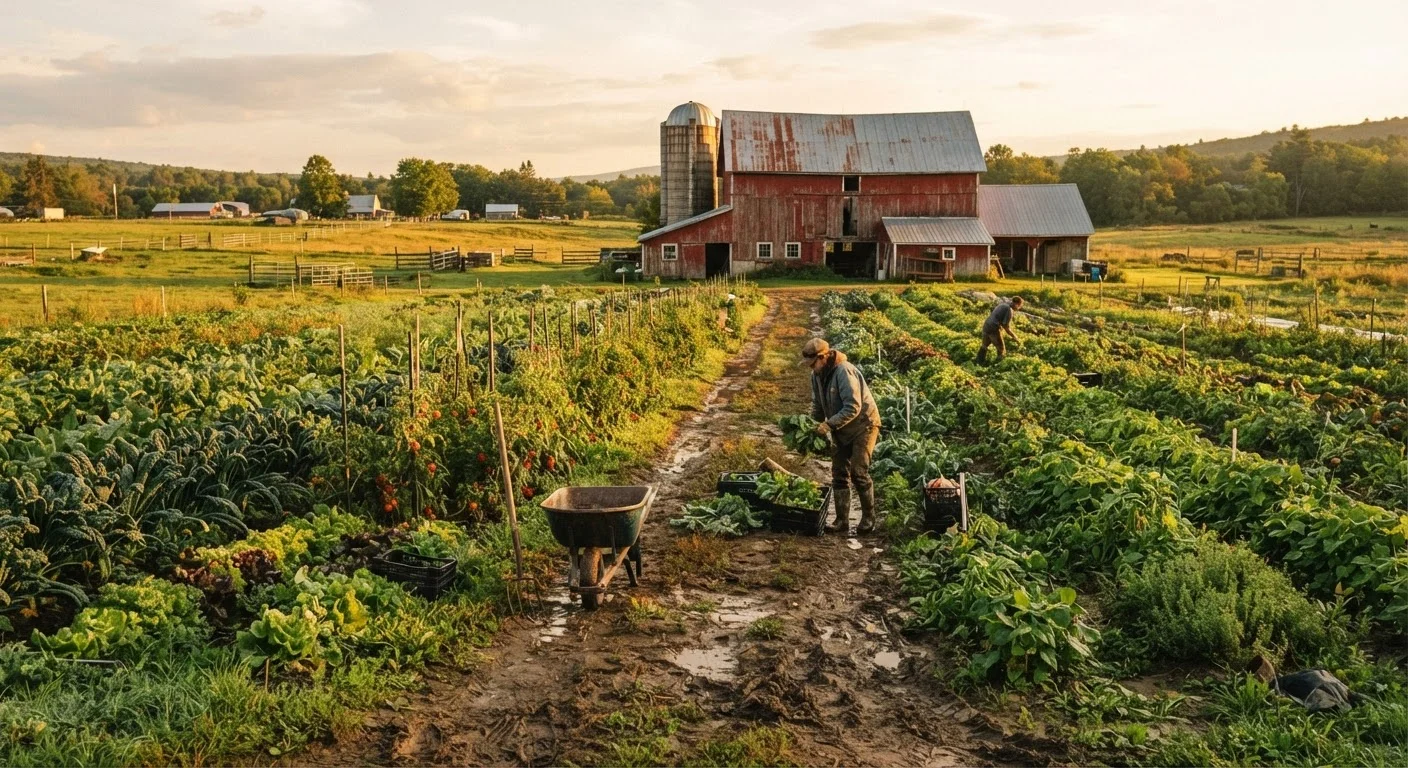
Why Agritourism Surprises So Many First-Timers
Agritourism — visiting working farms, ranches, orchards, and vineyards as a travel experience — has grown steadily as travelers seek more grounded, hands-on alternatives to conventional tourism. Whether it's a U-pick berry farm in Oregon or a working cattle ranch in Texas, these experiences promise something genuinely different. And they deliver. But they also come with a learning curve that catches many first-time visitors off guard.
Unlike a resort or a cruise ship, a working farm wasn't designed around guest comfort. Animals need feeding at 5 a.m. regardless of checkout time. Crops ripen on their own schedule. Staff may be stretched thin during harvest. Understanding this before you arrive transforms the experience from frustrating to fascinating.
The mistakes below are the ones that surface repeatedly — not because visitors are careless, but because most of us simply haven't been to a working farm before and bring assumptions borrowed from other types of travel. If you've browsed guides on booking a conventional hotel, you'll quickly notice agritourism operates by an entirely different set of rules.
Assuming the farm operates like a hospitality business with flexible hours and attentive staff on call.
Why it happens: Most travel experiences — hotels, cruises, guided tours — are built around guest service. Visitors naturally import those expectations into a farm setting.
Wearing inappropriate footwear or clothing for a working outdoor environment.
Why it happens: Farm visits are often marketed with idyllic imagery — sunny fields, photogenic produce — which doesn't always communicate the mud, manure, or uneven terrain underfoot.
Arriving without a reservation and expecting walk-in access.
Why it happens: Some farms do welcome drop-in visitors for farm stands or pick-your-own fields, which creates the impression that bookings aren't necessary for other activities.
Visiting during the wrong time of year for the specific experience you want.
Why it happens: Online listings and social media posts often showcase a farm's peak moments without clearly communicating the narrow seasonal window when those activities are actually available.
Treating the visit as passive entertainment rather than an interactive, participatory experience.
Why it happens: We're conditioned by theme parks and tours to expect curated, low-effort experiences where everything is presented to us.
Underestimating how physically demanding even a casual farm visit can be.
Why it happens: Activities like berry picking, hay bale stacking, or walking large properties sound leisurely but often involve sustained physical effort in sun or heat.
Setting Yourself Up for a Genuinely Good Farm Visit
The travelers who come away from agritourism experiences raving about them share one thing in common: they did a little homework beforehand. That means calling ahead to confirm what's actually in season, asking about the physical demands of planned activities, checking whether children or pets are permitted, and reading any posted guidelines carefully.
33M+
Americans visiting agritourism sites annually
The USDA has reported tens of millions of annual farm-based visitor trips, reflecting the growing mainstream appeal of agricultural travel experiences.
~56%
U.S. farms with direct-to-consumer sales or tourism
According to USDA Census of Agriculture data, a significant share of American farms now incorporate some form of visitor engagement or direct consumer activity.
It also means embracing the unpredictability that makes farm life real. A rainstorm might shift your plans. The piglets you saw advertised might have already been weaned. The cheese-making class could run long. These aren't failures — they're the texture of genuine agricultural life, and learning to lean into them is what separates a memorable visit from a disappointing one.
Agritourism sits at the intersection of travel and place-based education, and it rewards curiosity more than it rewards expectation. Think of it less like booking an activity and more like accepting an invitation into someone's working life. For more ideas on experiences that reward preparation over assumption, explore the broader tourist destinations hub, including guidance on off-season travel pitfalls that apply to farm visits as much as anywhere else.
Verify Seasonal Details Before You Commit
Farm conditions change quickly — a dry summer can end a berry season weeks early, and a late frost can delay an apple harvest significantly. Always confirm current availability directly with the farm before finalizing travel plans, especially if you're traveling a long distance specifically for a seasonal activity. Don't rely solely on a website that may not be updated in real time.
The content on this site is for informational purposes only and is not a substitute for professional advice. Always consult a qualified professional for guidance specific to your situation.