

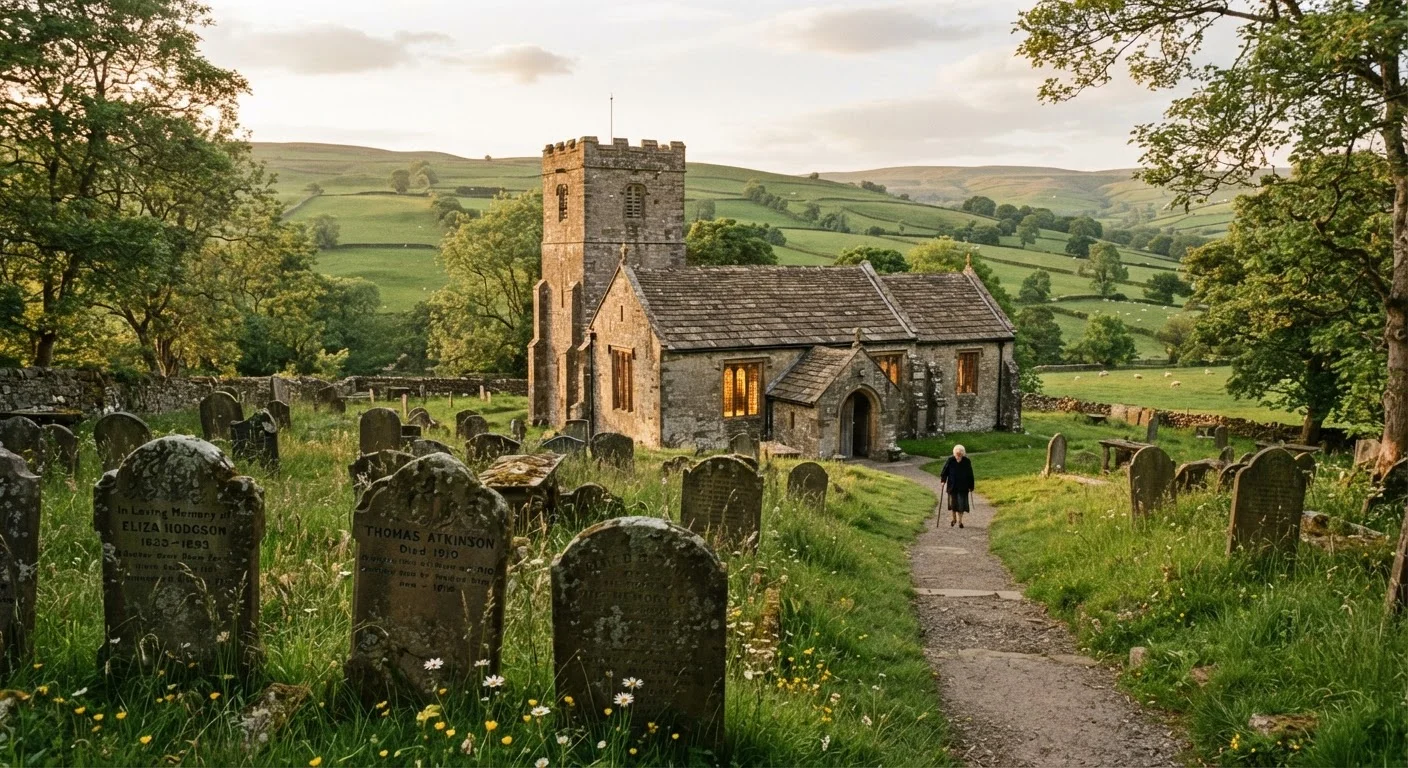
Why Ancestry Travel Is Different from Other Trips
Most travel is about discovery — finding places you've never seen. Ancestry travel flips that premise. You're searching for a place that, in some sense, already belongs to you. The emotional charge of standing in the village where your great-grandmother was born, or tracing a hand along a church register with your family name, is unlike anything a standard itinerary delivers.
That intensity is also what makes planning this kind of trip genuinely different. You're not just booking flights and hotels; you're orchestrating a research expedition with personal stakes. Records may be incomplete. Borders have shifted. Languages change. And the place you imagined from old photographs may look nothing like today's reality — which can be disorienting, but is also part of the experience.
If you're new to this style of travel, it helps to understand what kind of traveler you are before diving in. Ancestry travel rewards patience, flexibility, and a tolerance for uncertainty — qualities that not every travel style naturally cultivates.
What you will need
Building Your Research Foundation Before You Fly
The most rewarding ancestry trips begin months before departure, at a desk, not an airport. Your goal at this stage is to arrive with specific targets: a village name, a surname spelling, a rough time period. Vague curiosity is a starting point, not an itinerary.
Start with what your family already holds. Birth certificates, naturalization papers, old letters, and religious documents often contain place names that don't appear in any digital database. Oral history from older relatives — even fragmentary — can confirm spellings or surface regions you hadn't considered.
From there, national genealogical databases, the records held by the Family History Library (operated by The Church of Jesus Christ of Latter-day Saints and freely accessible at its family history centers), and country-specific civil registration archives can take you further. Many European countries have digitized significant portions of parish and civil records, though coverage varies widely by region and era.
Gather and Organize What You Already Have
Collect all existing family documents before looking outward. Digitize and organize birth, marriage, and death certificates; immigration records; religious documents; and any family correspondence. Note every place name, no matter how partial.
Extend Research Through Available Databases
Use genealogical databases (many freely accessible through public libraries or family history centers) to push your family tree further back and identify the specific locality your ancestors came from. Aim for a village or parish name, not just a country.
Identify Target Archives and Contact Them in Advance
Research which archives — civil, ecclesiastical, or municipal — hold records for your target region and time period. Email or write to them well before travel. Many require appointments and some have limited public access hours or seasonal closures.
Consider Hiring a Local Genealogist
A professional genealogist based in your ancestral country can search records on your behalf before your arrival, translate documents, and accompany you during archive visits. This significantly increases what you can accomplish in a limited trip window.
Plan Logistics Around Remote Locations
Ancestral villages are frequently off major tourist routes and may lack direct public transit connections. Build car rental, rural accommodation, and flexible scheduling into your plans. Allow buffer days for unexpected archival discoveries or extended conversations with local contacts.
Document Everything During the Trip
Photograph documents (ask permission first in archives), record GPS coordinates of significant locations, and write detailed notes each evening while impressions are fresh. This material becomes invaluable when you return home and want to share or continue the research.
On the Ground: Archives, Villages, and Unexpected Turns
No amount of online research fully prepares you for the physicality of being there. Archives in small municipalities are often housed in town halls or local churches, staffed by a single archivist who may not speak English. Regional archives in larger cities tend to be better organized and more visitor-ready, but may require appointments made weeks in advance.
When visiting an ancestral village, manage your expectations openly. Many rural communities in Ireland, Italy, Poland, or Lebanon — popular ancestry destinations for American travelers — have seen significant depopulation over the decades. The family home may no longer stand, or may now serve an entirely different purpose. Cemeteries can be overgrown. Neighbors may never have heard the surname you're searching.
And yet, something almost always surprises you. A local shopkeeper who remembers stories. A church ledger that materializes. A distant cousin — identified through prior DNA testing — who agrees to meet. These encounters are the heart of ancestry travel, and they're impossible to plan for, only to make yourself available to.
Let the Trip Breathe
The most meaningful moments in ancestry travel tend to be unscheduled. Build open afternoons into your itinerary — time to walk a churchyard slowly, accept an invitation for coffee, or simply sit in the landscape your ancestors once inhabited. Efficiency is a virtue in most travel; here, it can work against you.
For your broader logistical groundwork, the destination research checklist for independent travelers covers the visa, health, and transport essentials that apply to any international trip. If you're working with a travel professional to coordinate the trip, this guide to using a travel agency can help you get the most from that relationship.
Emotional Preparation Is Not Optional
Ancestry travel can surface grief, identity questions, or family complexities that are difficult to anticipate. Some travelers discover ancestors who were displaced, persecuted, or erased from records deliberately. Go in with emotional support structures in place — a travel companion, a journal practice, or simply the self-awareness that this trip may move you in unexpected ways.
The content on this site is for informational purposes only and is not a substitute for professional advice. Always consult a qualified professional for guidance specific to your situation.