

Why Travel Style Matters Before You Book
Most trip planning starts with a destination. But destination-first thinking often leads to a mismatch — the adventurer who books a resort island and feels restless by day two, or the slow traveler who commits to a packed European tour and returns home more exhausted than when they left.
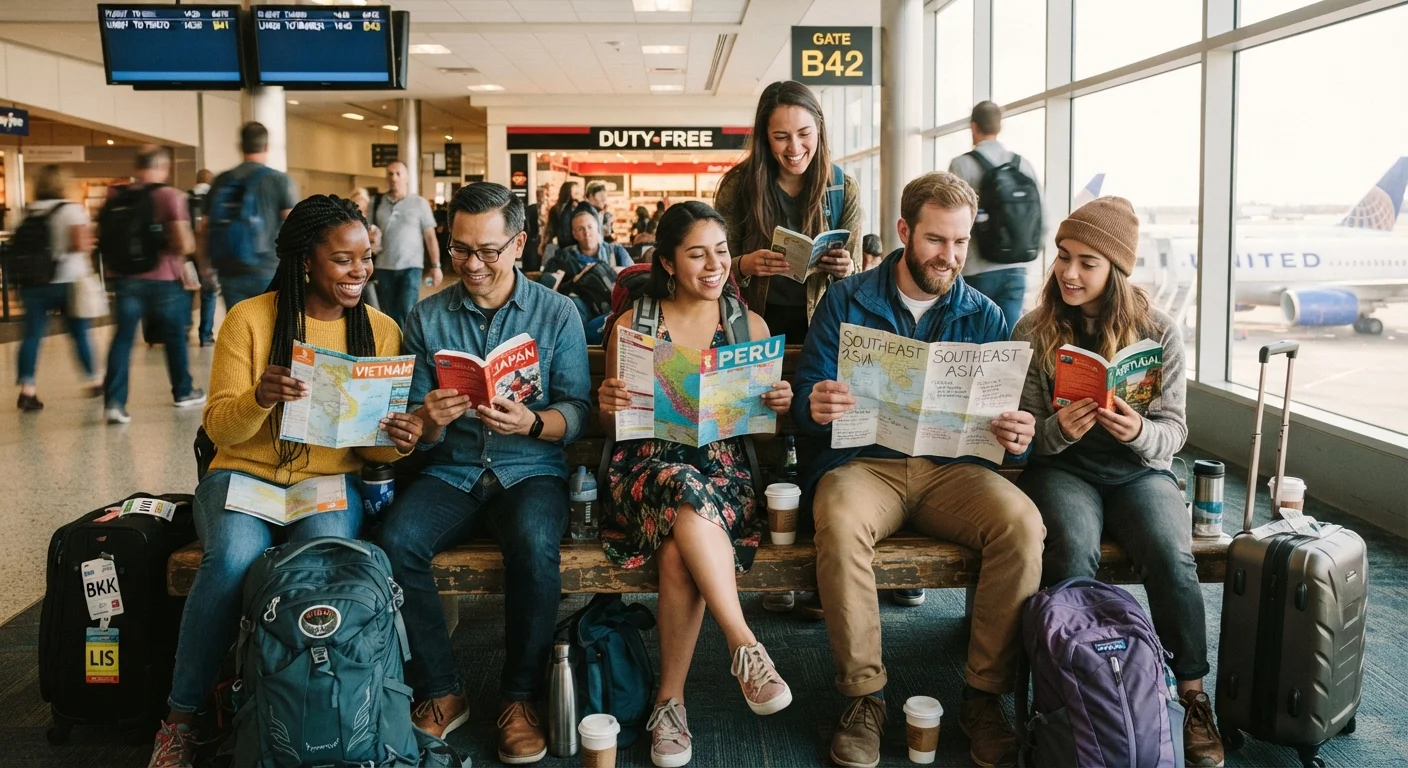
A better starting point is self-awareness. Understanding how you naturally move through a place — how much structure you need, how much novelty you can absorb, whether you prefer depth or breadth — gives you a filter that shapes every planning decision that follows. It affects where you go, how long you stay, and where you sleep when you get there.
The good news is that travel style isn't a rigid box. Think of it as a set of tendencies that shift depending on who you're with, what you need from the trip, and what stage of life you're in. A solo traveler in their thirties might operate completely differently than that same person on a family trip a decade later.
Reflect Before You Research
Before opening a travel booking site, spend ten minutes answering a few simple questions: What did you love most about your last trip? What drained you? Did you prefer moving fast or lingering? Your honest answers are a more reliable guide than any destination ranking. Use them to filter, not just to browse.
A Map of Common Travel Styles
Rather than a definitive list, think of these as broad orientations that describe how people tend to engage with destinations:
- The Adventure Traveler prioritizes physical experience — hiking remote trails, surfing unfamiliar breaks, or sleeping under the stars. For this traveler, the landscape is the main attraction. Destinations like the American Southwest, Patagonia, or the Scottish Highlands resonate deeply. Our American Southwest travel overview is worth exploring if rugged landscapes call to you.
- The Slow Traveler resists the itinerary-driven approach, preferring one neighborhood over ten cities. Depth over breadth is the governing principle. If this resonates, slow travel vs. itinerary-driven tourism breaks down exactly what sets these approaches apart.
- The Cultural Explorer anchors trips around history, art, architecture, and local traditions. They're drawn to places with layered narratives — Istanbul, Oaxaca, Kyoto, New Orleans.
- The Culinary Traveler plans around food. Markets, regional specialties, and producer visits define the itinerary. Culinary tourism goes far beyond food tours, extending into fermentation retreats and fishing village stays.
- The Comfort Seeker values predictability and ease — well-reviewed accommodations, smooth logistics, and familiar comforts in unfamiliar places.
- The Purpose-Driven Traveler travels with a specific goal beyond leisure — ancestry research, wellness retreats, or volunteer programs. Ancestry travel is one emotionally rich example of this orientation.
How Style Shapes the Practical Decisions
Once you have a clearer sense of your tendencies, the downstream decisions become more intuitive. Where you stay, for instance, isn't just about budget — it's about fit. An adventure traveler who will spend twelve hours outdoors doesn't need a full-service hotel; they need a well-located base camp. A culinary traveler might prioritize a vacation rental with a kitchen. Understanding these connections is why choosing the right accommodation type starts with knowing yourself before comparing properties.
Timing matters too. A beach destination in peak season suits one traveler and frustrates another. Seasonal travel patterns — crowds, weather, festivals, pricing — interact directly with your preferred travel pace and experience.
For those drawn to niche or unconventional experiences, it's also worth exploring what falls outside mainstream tourism entirely. Specialty travel formats like geotourism, dark tourism, or bibliophile travel rarely appear in standard vacation planning but may align well with less conventional travel styles.
Travel Style Isn't Fixed
Your preferred travel style can vary significantly by trip type, travel companion, and life stage. A parent traveling with young children operates differently than that same person on a solo trip. Rather than labeling yourself permanently, think of your travel style as a starting point for each specific trip you're planning.
Traveling Responsibly, Regardless of Style
One consideration that applies across all travel styles is impact. High-traffic destinations can strain ecosystems and local communities, and the way you engage with a place — where you eat, where you stay, what you photograph — carries real weight. This is especially relevant for cultural explorers and adventure travelers drawn to fragile or remote environments. Responsible tourism practices aren't a niche concern — they're part of thoughtful travel at any style or budget level.
Self-awareness about your travel style is ultimately an act of respect — for the destination, for your fellow travelers, and for yourself. A trip that aligns with how you actually want to experience the world is far more likely to deliver something meaningful than one chosen for its brand recognition alone. For a broader look at what the research says about travel and personal change, transformative travel offers a grounded perspective worth reading before any major trip.
74%
Travelers who say past trips informed future destination choices
According to travel behavior research cited by the U.S. Travel Association, the majority of American travelers draw on prior experience when planning new trips.
1 in 3
Travelers who identify as "experience-first" planners
Surveys by tourism researchers consistently find a significant share of travelers prioritize the type of experience over the specific destination when planning.
Frequently Asked Questions
Common travel styles include adventure travelers, slow travelers, cultural explorers, culinary tourists, luxury seekers, budget backpackers, and family-focused travelers. Most people blend more than one style depending on the trip and who they're traveling with.
Reflect on past trips — what moments energized you, and what drained you? Whether you preferred lingering in a neighborhood café or checking off landmarks says a lot. Your answers to these questions reveal more than any quiz.
Absolutely. Life stage, health, budget, travel companions, and trip purpose all influence how you prefer to travel. Someone who backpacked aggressively in their twenties might prefer a slower, more immersive approach later in life.
Significantly. Adventure travelers often prioritize location over comfort; luxury travelers may center an entire trip around the property. Understanding your style helps narrow down whether a hostel, boutique hotel, or vacation rental best fits your trip.
Compromise and communication are key. Many successful trips build in a day or two that cater to each traveler's priorities — one day at a museum for the cultural explorer, one morning for a hike for the adventure seeker.
The content on this site is for informational purposes only and is not a substitute for professional advice. Always consult a qualified professional for guidance specific to your situation.