

What Makes the Southwest Distinct
The American Southwest is one of the country's most visually arresting regions — a place where geology reads like an open book and the sky feels wider than anywhere else. Stretching across Arizona, New Mexico, Utah, Nevada, and portions of Colorado and Texas, it encompasses some of the planet's most dramatic desert terrain, ancient ruins, and culturally layered cities.
What sets it apart from other U.S. regions isn't simply the scenery. The Southwest is a living crossroads where Spanish colonial history, Indigenous traditions spanning thousands of years, and a distinctly American frontier story all coexist. That layering gives every corner of the region a texture that rewards slow, attentive travel.
Whether you're drawn to wide-open wilderness or boutique arts districts, the Southwest rarely disappoints — provided you understand what kind of experience you're after. Matching your travel style to the right destination can make the difference between a good trip and an unforgettable one.
Iconic Landscapes and Natural Wonders
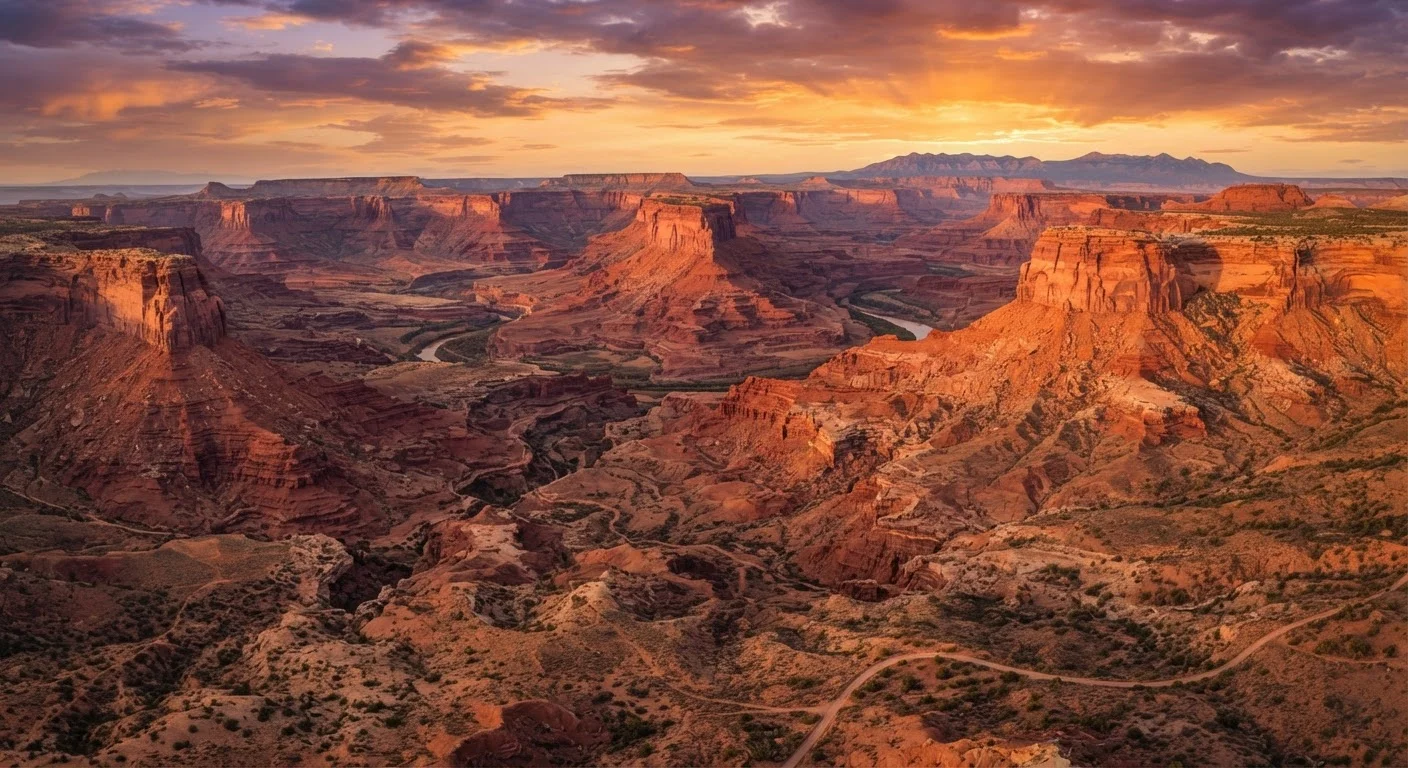
The Grand Canyon is the region's most recognizable landmark, drawing millions of visitors annually to its layered crimson walls — but the Southwest's geological portfolio extends far beyond it. Utah's Mighty Five corridor (Zion, Bryce Canyon, Arches, Canyonlands, and Capitol Reef national parks) offers an almost improbable sequence of formations: hoodoos, slot canyons, stone arches, and sculpted river valleys.
Arizona's Monument Valley, with its towering sandstone mittens rising from the Colorado Plateau, is among the most photographed landscapes in the world. New Mexico contributes its own palette — the blindingly white gypsum dunes of White Sands National Park, the volcanic badlands of Valley of Fires, and the bioluminescent skies above the Jemez Mountains.
5
Utah national parks in one scenic corridor
Utah's 'Mighty Five' parks are connected by a roughly 500-mile route, making them accessible on a single extended road trip.
277 miles
Length of the Grand Canyon
According to the National Park Service, the Grand Canyon stretches 277 river miles and reaches depths of over a mile.
7,000 ft
Elevation of Santa Fe, New Mexico
Santa Fe sits at roughly 7,000 feet above sea level, giving it a cooler climate than lower-elevation Southwestern cities.
For travelers eager to move beyond the obvious, the Southwest rewards exploration. Lesser-known national parks across the U.S. — including several in this region — offer comparable beauty with a fraction of the crowds.
Flash Flood Risk in Slot Canyons
Slot canyons like Antelope Canyon and Buckskin Gulch are extremely vulnerable to flash flooding — storms miles away can send walls of water through a canyon in minutes with no visible warning overhead. Always check weather forecasts for the entire watershed, not just your immediate location, and follow guidance from rangers or permitted guides. Never enter a slot canyon if storms are possible in the region.
Cities Worth Building a Trip Around
The Southwest's cities are as varied as its terrain. Santa Fe, New Mexico, sits at over 7,000 feet and is widely regarded as one of the country's most distinctive small cities — its adobe architecture, world-class art galleries, and renowned culinary scene make it a compelling destination in its own right. Taos, just two hours north, adds a slower, more bohemian counterpoint.
Phoenix and Scottsdale, Arizona, serve as modern desert hubs with strong resort infrastructure, excellent dining, and proximity to the Sonoran Desert's saguaro cactus forests. Tucson offers a grittier, more academic atmosphere and sits closer to the Mexican border, giving it a genuinely bicultural character. Las Vegas, Nevada, anchors the region's western edge — and while its reputation rests on entertainment, it also serves as a convenient gateway to Red Rock Canyon and the Valley of Fire.
When planning a Southwest city itinerary, build in half-day buffer drives — what looks like a short trip on the map often crosses high-desert terrain where road conditions and weather can add unexpected time.
Distances between attractions in the Southwest are routinely underestimated by first-time visitors, leading to rushed itineraries or missed stops.
Book accommodations in gateway towns like Springdale (Zion), Moab (Arches/Canyonlands), and Torrey (Capitol Reef) well in advance for spring and fall travel — these small towns fill up faster than the parks themselves.
Limited lodging inventory near high-demand parks means even midweek stays can sell out weeks ahead during peak shoulder seasons.
Cultural Heritage and Indigenous History
No honest account of the Southwest can overlook its Indigenous foundations. The region is home to 22 federally recognized tribes in Arizona alone, and the Navajo Nation — the largest land-area tribal nation in the United States — spans parts of Arizona, Utah, and New Mexico. Visitors have the opportunity to engage respectfully with living cultures through tribally operated tours, museums, and cultural centers.
Ancestral Puebloan sites like Mesa Verde in Colorado and Chaco Culture National Historical Park in New Mexico rank among the most significant archaeological landscapes in North America. These sites require thoughtful, quiet visitation — they are not theme parks but places of continuing cultural and spiritual significance.
Visiting Indigenous Cultural Sites Respectfully
Some areas of Chaco Culture National Historical Park, Navajo Nation lands, and Puebloan sites have restricted access or require permits and guides. Photography rules vary by location and must be followed. The best way to ensure a respectful visit is to go through tribally authorized programs and ask before you photograph anything or anyone.
Spanish colonial heritage also runs deep: Albuquerque's Old Town, the Camino Real trade route, and the network of Catholic missions scattered across New Mexico and Arizona all reflect centuries of complex history that shaped the region's language, architecture, food, and identity.
When to Go and How to Plan
Timing matters enormously in the Southwest. Summer temperatures in low-elevation desert areas regularly exceed 105°F, making mid-July through August genuinely dangerous for extended outdoor activity. Spring (mid-March through May) and fall (September through November) offer the most comfortable conditions for hiking, driving, and sightseeing. Higher-elevation destinations like Santa Fe and Flagstaff are more moderate year-round.
Winter is underappreciated in parts of the region. The Grand Canyon's South Rim stays open and sees far smaller crowds; the light is extraordinary; and snow dusting red rock formations is a sight many visitors never anticipate. That said, some park roads and rim trails may close due to ice.
How seasons shape a destination experience is a framework worth consulting before you book — especially in a region with such extreme climate variance across altitudes and latitudes.
Pack Layers, Not Just Sunscreen
Desert temperatures can swing dramatically between day and night — a 40°F difference isn't unusual in spring or fall. Even on warm afternoons, carry a fleece or light jacket for canyon hikes where shade accumulates and elevation shifts quickly. Layering gives you flexibility without overpacking.
Getting Around: Road Trips and Beyond
The Southwest is fundamentally road trip country. Distances between major sites are vast, public transit between them is minimal, and the drive itself — past mesas, canyon rims, and high desert plains — is part of the experience. Renting a car at a major hub airport (Phoenix, Las Vegas, Albuquerque, Salt Lake City) and building a flexible multi-day loop is the approach most travelers find most rewarding.
That said, some cities are well worth treating as self-contained destinations. City breaks and road trips suit different travel rhythms — and the Southwest accommodates both, particularly for first-time visitors who want depth over breadth.
For those comparing the Southwest to international wilderness destinations, the scale and geological drama rival almost anywhere on earth. Africa's safari regions offer a contrasting kind of natural grandeur — but the American Southwest remains a world-class destination that many travelers underestimate simply because it's close to home.
“The desert is a natural extension of the inner silence of the body. If you listen, the landscape gives back exactly what you brought to it.”
— Joan Didion, Author and essayist known for her writing on California and the American West
This article is for general informational purposes only. Travel conditions, access, and entry requirements can change; always verify current information with official government and park service sources before you travel.
The content on this site is for informational purposes only and is not a substitute for professional advice. Always consult a qualified professional for guidance specific to your situation.