

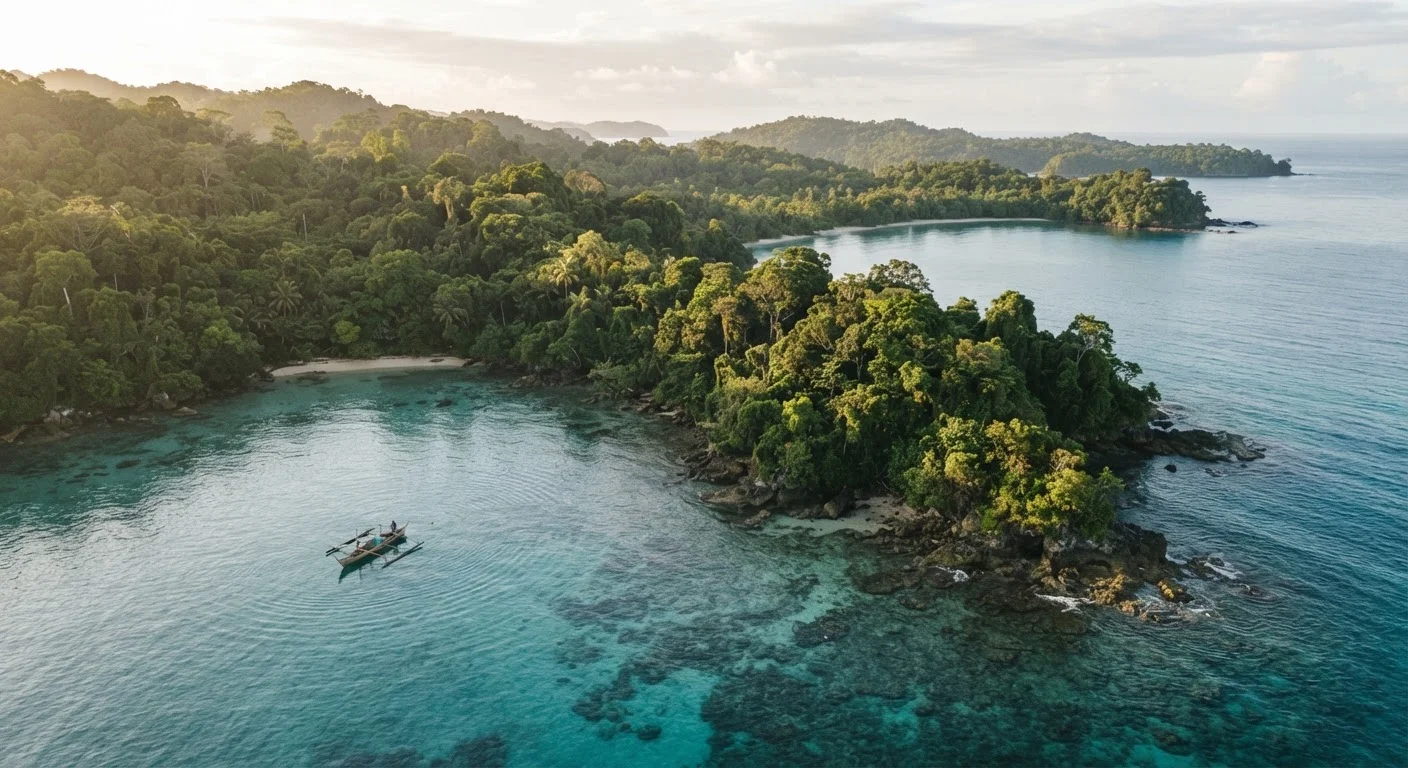
Why Some Destinations Need a Different Kind of Visitor
Not all destinations experience tourism the same way. A well-resourced urban center can absorb millions of annual visitors without fundamental disruption. A coral reef ecosystem, a remote Indigenous community, or a centuries-old historic district operating on thin margins cannot. In these places, high visitor volume doesn't just create inconvenience — it can permanently alter the environment, price out residents, or erode the cultural fabric that made the destination worth visiting in the first place.
Responsible tourism in fragile destinations isn't a niche concern for eco-conscious travelers. It's a practical framework for anyone who wants the places they love to remain worth returning to. The practices below are widely recognized approaches — not guarantees of zero impact, but meaningful steps toward reducing harm and distributing benefit more equitably.
For travelers interested in exploring beyond conventional itineraries, our specialty travel hub covers a wide range of niche and experience-driven journeys where these principles are especially relevant.
Core Practices for Engaging Responsibly
The following approaches draw on broadly shared guidance from conservation organizations, travel researchers, and destination management bodies. They are most applicable in ecologically sensitive areas, small-scale communities, and heritage sites — though many translate usefully to any destination.
Travel during shoulder or off-peak seasons whenever feasible.
Peak-season overcrowding concentrates environmental and social strain into narrow windows, overwhelming local infrastructure and natural systems. Distributing visits across the year allows ecosystems and communities to recover between periods of higher use.
Prioritize locally owned accommodations, food vendors, and guided services.
Tourism revenue that flows to international chains or foreign-owned platforms offers limited benefit to host communities. Keeping spending local strengthens the economic case for conservation and cultural preservation within the destination itself.
Stay on designated trails and observe wildlife from recommended distances.
Repeated off-trail movement compacts soil, damages root systems, and fragments habitat corridors. Wildlife accustomed to close human contact can alter their natural behaviors in ways that harm long-term population health.
Research and follow the cultural protocols of your destination before arrival.
Many fragile destinations are also culturally significant spaces where visitor behavior carries real social meaning. Arriving without basic cultural awareness can cause unintentional offense and erodes trust between host communities and the tourism industry.
Reduce single-use plastic and waste generation during your trip.
Remote and small-scale destinations often lack the waste management infrastructure to handle tourist-generated refuse. Plastic waste in particular poses serious threats to marine and terrestrial ecosystems in island and coastal environments.
Verify sustainability claims made by tour operators before booking.
Greenwashing — the practice of marketing services as environmentally responsible without substantive commitments — is common in the tourism industry. Independent certification from recognized bodies offers more reliable evidence than self-declared claims.
These aren't abstract ideals. Each practice addresses a documented pattern of harm that has affected real destinations — from overtourism degrading the Galápagos trail system to short-term rental displacement in Venetian residential neighborhoods.
Small Choices, Compounding Effects
Individual travel decisions can feel too small to matter at scale, but fragile destinations are often defined by exactly that dynamic: the accumulation of small choices. A single tourist stepping off a marked trail to photograph a rare orchid causes negligible damage. Tens of thousands doing the same over a season causes measurable habitat loss.
80%
Tourism revenue staying in destination communities
The United Nations Environment Programme has noted that in many developing-country destinations, the majority of tourism revenue leaks back to foreign-owned companies rather than staying in local economies.
15%
Of Earth's land area under protected status
According to the UN Environment Programme World Conservation Monitoring Centre, roughly 15–17% of terrestrial areas are formally protected, yet many of these face significant visitor management challenges.
This compounding logic is also why timing matters so much. Visiting island destinations during shoulder seasons, for instance, spreads visitor impact more evenly across the calendar and often results in a more authentic experience for the traveler as well.
Travelers curious about how trip pacing and itinerary structure intersect with responsible travel will find useful framing in our piece on slow travel versus itinerary-driven tourism.
Ethical Nuance: When Good Intentions Aren't Enough
Responsible tourism also requires honesty about the limits of traveler intention. Well-meaning visitors can still cause harm through uninformed choices — booking with operators who claim sustainability credentials without substantiating them, participating in wildlife interactions that stress animals, or engaging in community projects without understanding the actual needs of host populations.
Certification Labels Vary Widely
Terms like 'eco-certified,' 'sustainable,' and 'responsible' have no universal legal definition in the travel industry. Third-party certifications from bodies such as the Global Sustainable Tourism Council (GSTC) or Rainforest Alliance carry more verifiable weight than self-applied labels. When evaluating an operator's sustainability claims, look for named certifying organizations and ask what criteria were assessed.
These questions are especially pointed in contexts like voluntourism, where the desire to contribute can sometimes outpace the actual benefit delivered. Our editorial examination of what voluntourism actually means explores that nuance in depth.
Ask Before You Photograph
In many communities, photographing people, ceremonies, or sacred spaces without explicit permission is considered a serious intrusion — regardless of whether there are posted signs. A simple, respectful ask not only avoids offense but often opens doors to more genuine interaction. When in doubt, set the camera down and be present.
Similarly, travelers drawn to historically or emotionally charged sites benefit from understanding the ethical dimensions at play — a topic covered in our piece on dark tourism and disaster tourism.
This article provides general travel information and education. Conditions, regulations, and community guidelines vary by destination and may change. Always verify current entry requirements, protected area rules, and cultural protocols through official destination and government sources before traveling.
The content on this site is for informational purposes only and is not a substitute for professional advice. Always consult a qualified professional for guidance specific to your situation.