

Our Verdict
Island destinations reward travelers who plan carefully and travel with flexibility. The combination of natural beauty, distinct culture, and escape from routine is hard to match — but elevated costs, logistical complexity, and environmental sensitivity require honest self-assessment before booking.
Island travel suits those who prioritize scenery, relaxation, and unique cultural immersion over urban convenience, and who have the budget and time to navigate the added layers of planning.
Why Island Destinations Hold Such Enduring Appeal
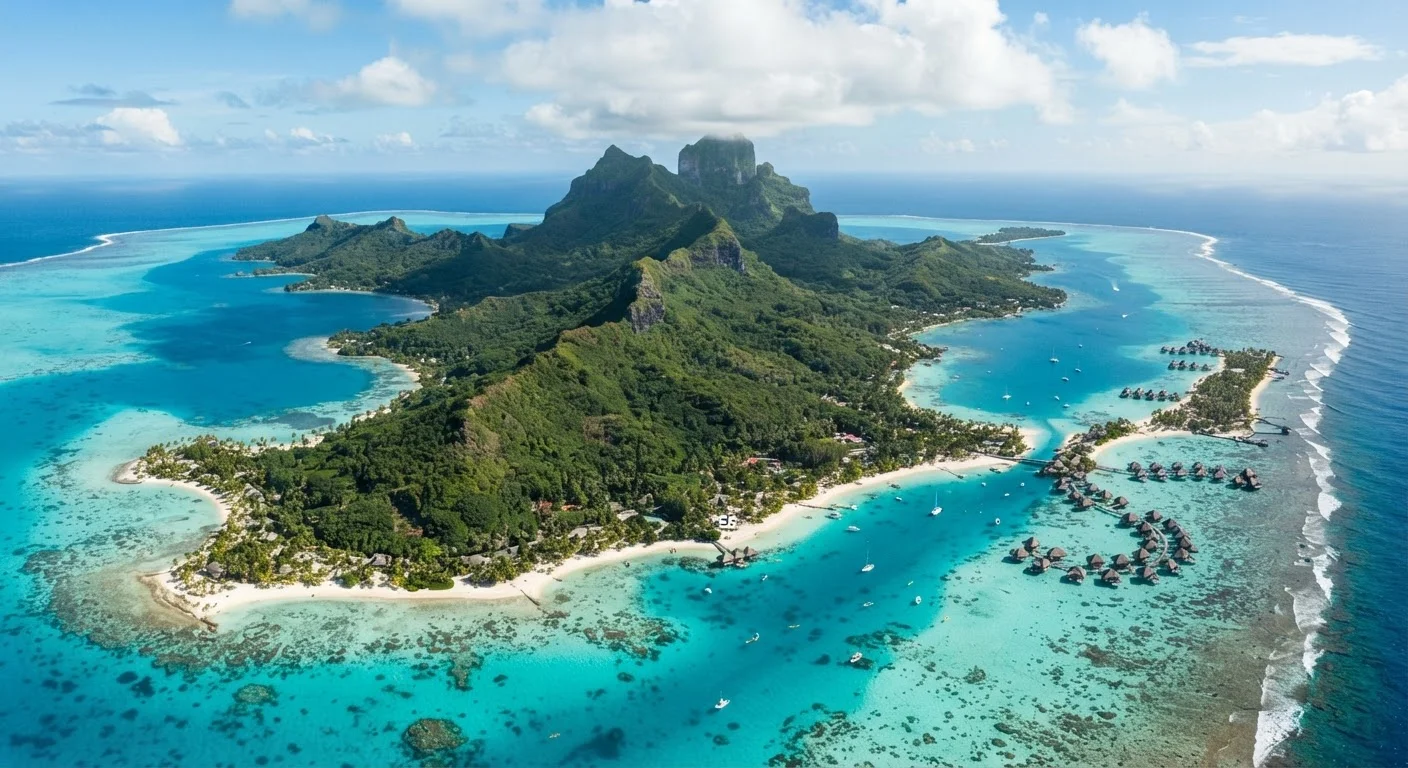
There's a reason island destinations consistently rank among the most searched and dreamed-about travel experiences. From Hawaii's volcanic coastlines to the barrier islands of the Outer Banks, and from the Caribbean's coral-fringed shores to far-flung spots in the South Pacific, islands offer a sense of arrival that feels genuinely different — bounded by water, distinct in culture, and visually arresting in ways that few landlocked places can match.
That appeal is real. But so are the trade-offs. Before you commit to island travel, it's worth understanding what you're signing up for beyond the postcard view. The same geographic isolation that makes an island feel like an escape also shapes everything from airfare and ferry schedules to grocery prices and medical access.
Concentrated natural beauty in a defined setting
Islands often pack dramatic landscapes — beaches, reefs, rainforest, volcanic terrain — into a compact area, making varied experiences accessible without long drives or complex logistics once you're there.
Cultural distinctiveness compared to mainland destinations
Geographic isolation has historically shaped unique languages, cuisines, music traditions, and architecture on island communities, giving travelers a genuinely different cultural experience.
Clear separation from daily routines and stimuli
The psychological effect of being surrounded by water tends to amplify the sense of disconnect from daily life — something many travelers specifically seek and find difficult to replicate on mainland trips.
Strong outdoor and water-based activity options
Snorkeling, diving, kayaking, surfing, and coastal hiking are often core to the island experience, offering active travelers a high density of options within a small geographic footprint.
The Challenges That Come With the Territory
Island travel introduces a category of logistical friction that mainland trips don't carry in the same way. Getting to and from an island almost always costs more and takes longer — whether that means a connecting flight to a small regional airport, a ferry crossing that runs on a limited schedule, or both. Once you arrive, that isolation doesn't disappear: rental cars may be scarce, grocery options limited, and restaurant prices inflated by the cost of importing nearly everything.
Environmental pressure is another honest consideration. Many island ecosystems — coral reefs, nesting bird habitats, coastal dunes — are genuinely fragile. High tourist volumes have visibly degraded some of the world's most celebrated island destinations, and the conversation around sustainable visitation has grown significantly. Understanding how your travel choices interact with a destination's ecology isn't just an ethical matter; it increasingly affects what you'll actually experience when you get there.
Higher travel costs due to geographic isolation
Flights to island destinations frequently involve connections, and ferry or inter-island transport adds further time and expense. Once there, imported goods and limited competition keep daily costs elevated.
Limited medical and emergency infrastructure
Smaller islands may lack hospitals, specialist care, or even reliable emergency services. This is a meaningful consideration for travelers with health conditions, families with young children, or anyone planning extended stays.
Environmental fragility demands responsible behavior
Coral reef systems, nesting habitats, and freshwater resources on islands are disproportionately vulnerable to tourism pressure, and some popular destinations have introduced visitor limits or permit systems in response.
Weather disruptions can strand or strand plans
Tropical storms, ferry cancellations, and fog can disrupt departures in ways mainland travel rarely encounters. Travel insurance is worth considering more seriously for island trips than for many other destination types.
Overcrowding at popular sites diminishes experience
Iconic beaches and snorkeling spots at well-known island destinations can draw hundreds of visitors daily, reducing both natural quality and visitor satisfaction during peak periods.
For travelers considering cruises that stop at island ports, the planning calculus shifts further. Our guide on booking shore excursions independently vs. through the cruise line breaks down that specific set of trade-offs.
Timing, Seasons, and What They Mean on Islands
Seasonality shapes island travel more sharply than most destination types. Hurricane season affects a broad swath of Caribbean and Gulf destinations from June through November, with peak risk in August and September. Monsoon patterns govern much of Southeast Asia's island calendar. Even in Hawaii, the difference between summer and winter swells can determine whether certain beaches are swimmable or dangerously rough.
Verify Entry Requirements Before Booking
Some island destinations — including U.S. territories and independent nations — may have different passport, visa, or health documentation requirements than you'd expect. Rules can change with little notice. Always verify current entry requirements directly through official government sources and the destination's tourism authority before finalizing travel plans.
Crowds and pricing follow their own seasonal logic. School holiday periods reliably push up hotel rates and fill popular snorkeling spots with more visitors than the environment — or your experience — can comfortably absorb. Traveling in shoulder season often means softer prices and a more spacious experience, but it can also mean limited services or unpredictable weather. Our overview of how time of year shapes destination experiences and a companion piece on off-season travel pitfalls can help you map this out before you commit to dates.
Island-specific research matters here more than generic travel advice. Before booking, consult official tourism boards, government travel advisories, and recent traveler accounts for your specific destination. Conditions vary enormously even between islands in the same region. For a broader destination-planning framework, our pre-trip research checklist offers a useful starting structure.
Top 3
Island regions among most-visited globally
The Caribbean, Hawaii, and Mediterranean islands consistently appear among the most visited tourism regions worldwide, according to United Nations Tourism data.
~50%
Of coral reefs under moderate to critical threat
The World Resources Institute has estimated that roughly half of the world's coral reefs face moderate to critical threat levels, with coastal tourism contributing alongside climate stress.
The content on this site is for informational purposes only and is not a substitute for professional advice. Always consult a qualified professional for guidance specific to your situation.