

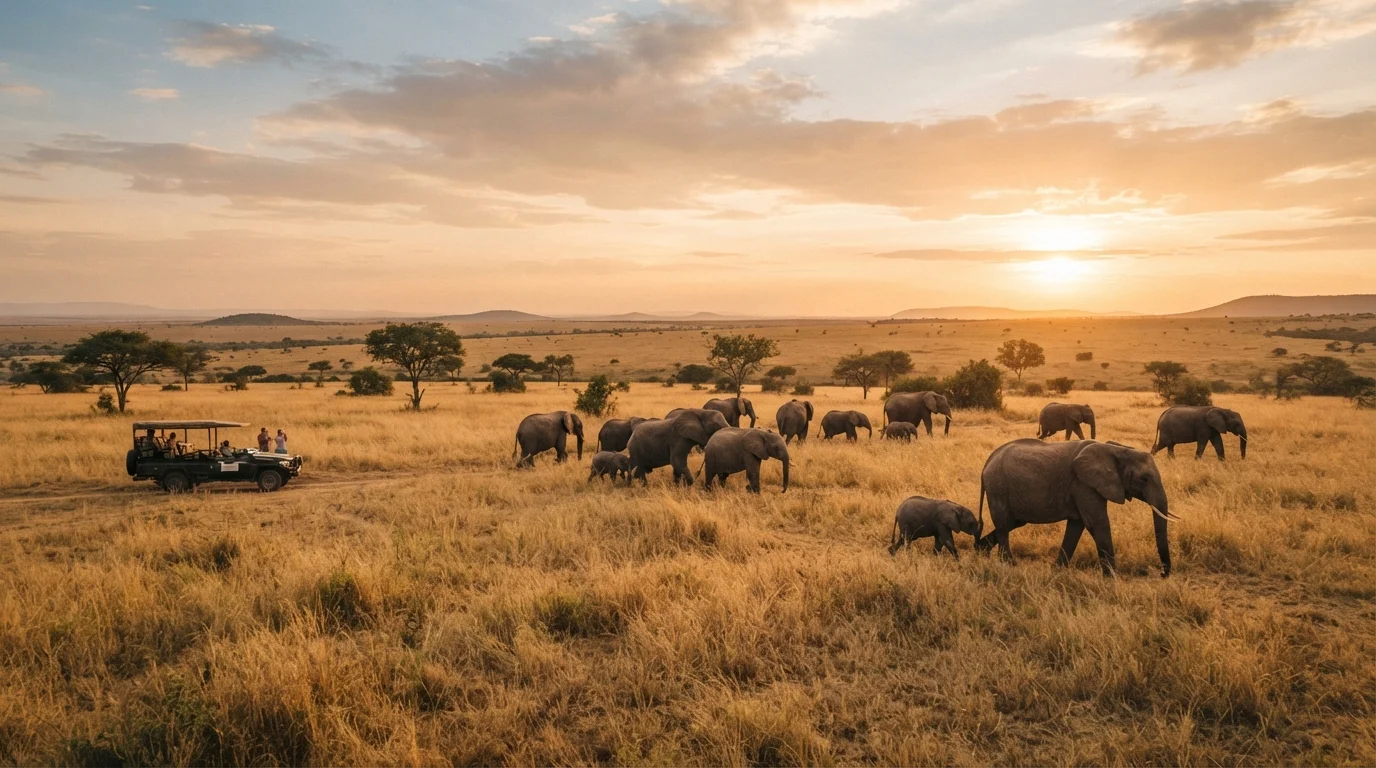
Why the Safari Market Requires Extra Scrutiny
Wildlife safaris have become one of the most sought-after travel experiences for curious Americans — and the industry has responded with an enormous range of options, from budget overland trips to ultra-luxury private conservancies. That breadth is a good thing in many respects, but it also means wildly inconsistent standards for how animals are treated, how local communities benefit, and how honestly environmental claims are made.
The term "ethical safari" gets used liberally in marketing, but it carries no single regulatory definition. That puts the responsibility on travelers to look past the language and evaluate what operators actually do in the field. For a broader look at how to vet any travel service before booking, the pre-booking checklist for travel agencies offers a useful starting framework.
What Ethical Operators Actually Do Differently
Responsible safari operators distinguish themselves through observable, verifiable practices — not just mission statements. The practices below reflect what genuine commitment to wildlife welfare and conservation actually looks like on the ground.
Ask operators directly how they enforce wildlife distancing guidelines in the field.
Legitimate operators follow established protocols — typically maintaining a minimum distance from animals and limiting the number of vehicles at any sighting. Vague or evasive answers are a red flag, while specific, documented policies signal genuine commitment.
Verify that any wildlife interaction offered is genuinely non-invasive and habitat-appropriate.
Experiences that involve touching, riding, or closely handling wild animals rarely serve the animal's welfare — regardless of how they're marketed. Ethical encounters keep humans as observers, not participants in an animal's space.
Request documented evidence of conservation contributions, not just marketing language.
Many operators claim to support conservation, but genuine programs involve verifiable financial contributions, partnerships with recognized wildlife research bodies, or direct habitat protection efforts. Transparency here separates authentic commitment from greenwashing.
Evaluate the operator's record on hiring and supporting local communities.
Community benefit is integral to sustainable wildlife tourism — when local people have an economic stake in conservation, it creates long-term incentives for habitat protection. Operators who employ local guides, purchase supplies regionally, and support community programs are contributing meaningfully.
Prioritize operators with small group sizes and low-impact logistics.
Large groups create noise, crowd pressure, and vehicle density that disrupts wildlife behavior. Smaller groups — often capped at six to eight guests — typically allow for quieter, more considered experiences that minimize ecosystem impact.
Certifications Vary Widely by Region
Wildlife safari certification bodies differ across countries and regions — what's considered a standard credential in Kenya may not translate directly to Botswana or Tanzania. Before assuming a certification carries universal weight, research which bodies are recognized as credible in your specific destination. Organizations such as the African Travel and Tourism Association (ATTA) and the Global Sustainable Tourism Council (GSTC) offer useful reference points, but always verify independently.
Quick Ways to Start Vetting an Operator Today
You don't need to wait until you've read through pages of brochure copy to begin assessing an operator's credibility. A few targeted moves can surface meaningful information early in your research process.
“Tourism can be a powerful force for conservation — but only when the industry holds itself to standards that put wildlife welfare and local communities before profit. The market doesn't self-correct; travelers have to ask the hard questions.”
— Dr. Dilys Roe, Professor and researcher specializing in wildlife and development policy, International Institute for Environment and Development
If your interest extends to travel that combines wildlife experiences with meaningful community involvement, the editorial piece on voluntourism and purpose-driven travel explores how those two motivations intersect — and where the pitfalls lie.
Putting It Together Before You Book
No operator will be perfect across every dimension, but the most responsible ones are typically willing to answer hard questions directly, share third-party documentation, and discuss trade-offs honestly. Evasion, vague generalities, or pressure to book quickly are warning signs worth taking seriously.
For travelers planning to explore Africa specifically, understanding the diversity of ecosystems and wildlife regions is foundational context — the Africa safari regions reference guide covers the major landscapes from East Africa's savannahs to Southern Africa's diverse parks. Pairing that destination knowledge with the operator vetting practices above positions you to make a genuinely informed booking decision — one where the animals, local communities, and your own experience are all better served.
This article is for general informational and educational purposes only. Travel conditions, operator practices, and certification standards vary by region and change over time. Always verify current details directly with operators and consult official sources — including your government's travel advisory service — before making travel commitments.
The content on this site is for informational purposes only and is not a substitute for professional advice. Always consult a qualified professional for guidance specific to your situation.