

Why the Letter System Exists
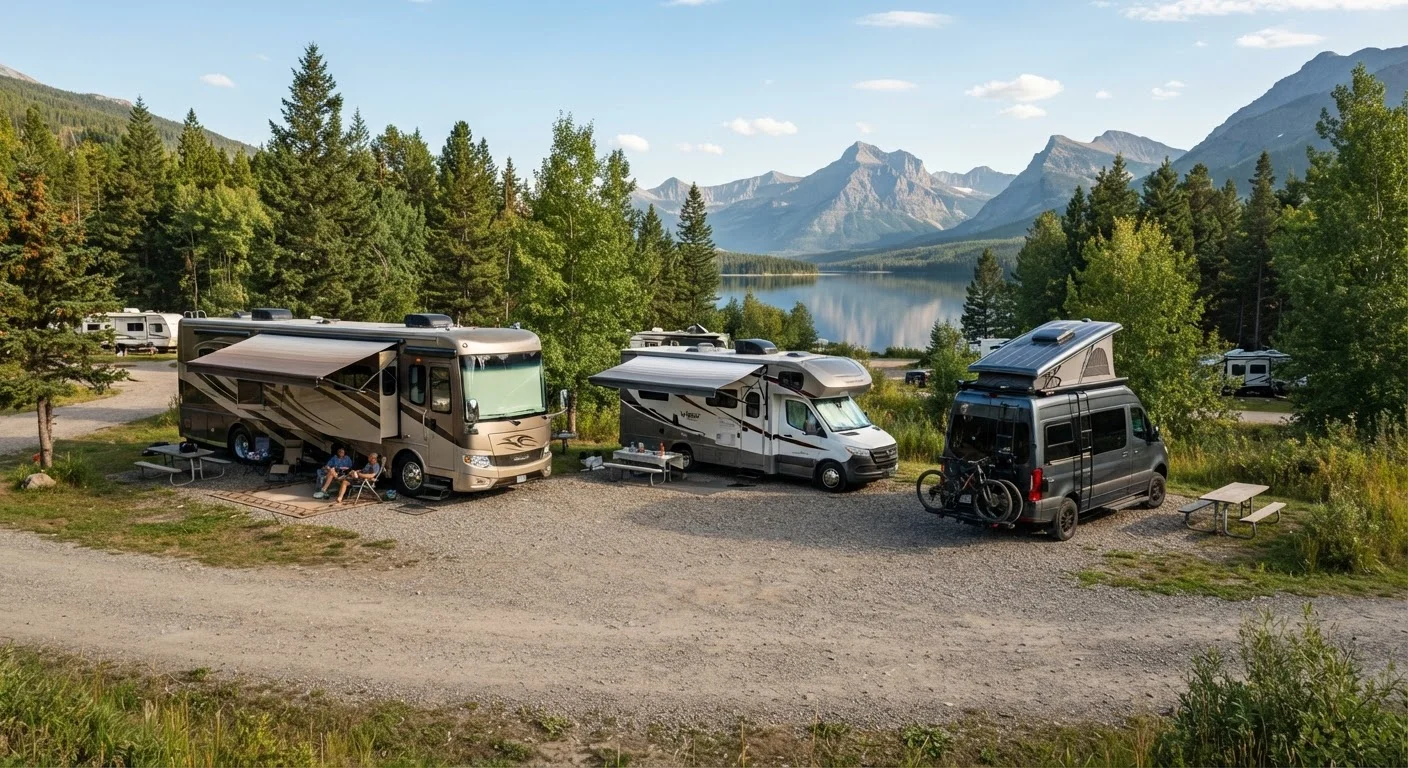
Walk into any RV dealership or browse any listing site and you'll encounter the terms Class A, Class B, and Class C almost immediately. These labels aren't arbitrary marketing — they reflect genuine structural and design differences that trace back to how each motorhome is built from the ground up.
Unlike some vehicle categories covered in vehicle class systems that are tied to government fuel economy or safety standards, motorhome classes are conventions established by the RV industry itself. The Recreational Vehicle Industry Association (RVIA) and manufacturers adopted these labels to give consumers a shorthand for comparing vehicles that vary enormously in size, cost, and intended use.
Understanding what separates each class is the first step toward figuring out which type of motorhome actually fits your travel life — a topic explored further in matching a vehicle type to your actual driving life.
~45 ft
Maximum length of largest Class A motorhomes
Top-of-range Class A diesel pushers can approach or exceed 45 feet, making campsite selection and maneuvering significant planning considerations.
17–24 ft
Typical Class B camper van length range
This compact footprint is why Class B vans can use standard parking spaces and access areas off-limits to larger rigs.
3 classes
Industry-standard motorhome categories recognized by RVIA
The Recreational Vehicle Industry Association recognizes Class A, B, and C as the primary motorhome categories, though informal sub-designations like B+ also exist.
Class A: The Full-Size Motorhome
Class A motorhomes are built on a dedicated heavy-duty chassis — either a purpose-built motorhome chassis or a commercial bus frame. The body is constructed directly onto that chassis, resulting in a flat front end (sometimes called a "pusher" when the engine is mounted in the rear) and a tall, boxy silhouette reminiscent of a commercial bus or transit coach.
These rigs typically range from around 26 to over 45 feet in length and can include residential-scale amenities: full kitchens, master bedroom suites, multiple slide-outs that expand interior living space, and washer-dryer combinations. They are the most livable option and are commonly chosen by full-time RVers or those who prioritize comfort on extended trips.
The trade-offs are real. Class A motorhomes are the most expensive to purchase and operate, require the most skill to maneuver, and can be restricted from some campgrounds or roads with low clearances and tight turns. Fuel economy is limited, particularly for gasoline-powered Class A units.
“The RV industry's letter classifications give consumers a meaningful starting framework, but the real decision comes down to how someone actually intends to use the vehicle — not just its size on paper.”
— RV Industry Association, Trade association representing North American recreational vehicle manufacturers
Class B: The Van Conversion
Class B motorhomes — commonly called camper vans — start life as full-size cargo vans from commercial manufacturers. A conversion company or the RV brand itself then modifies the interior and, in many cases, raises the roof to add usable headroom. The result is a vehicle that looks largely like a standard van from the outside but contains a compact kitchen, sleeping area, and often a small bathroom.
Lengths generally run from about 17 to 24 feet, and because the vehicle retains its factory drivetrain and chassis geometry, it drives much like any full-size van. This makes Class B rigs the most accessible option for drivers who aren't accustomed to large vehicles.
The limitations are primarily spatial. Class B models sleep two people comfortably, and storage is limited compared to larger classes. They tend to be more fuel-efficient and can fit in standard parking spaces — advantages that make them popular for couples, solo travelers, and weekend adventurers who want spontaneity without the logistics of a larger rig.
Test Drive Before You Commit
If you're considering a Class B camper van, rent one for a weekend trip before purchasing. The compact interior that looks functional in photos can feel very different after two or three nights. Many RV rental platforms offer van conversions specifically for this kind of evaluation trip.
Class C: The Middle Ground
Class C motorhomes use a cutaway chassis — typically derived from a full-size van or medium-duty truck — onto which a separate living body is mounted. The defining visual feature is the over-cab sleeping area: an alcove that extends forward over the cab section, giving Class C units their distinctive profile and adding usable sleeping or storage space without increasing overall vehicle length.
Most Class C models fall between 20 and 35 feet in length. They offer meaningfully more living space than a Class B, including dinettes, full bathrooms, and multiple sleeping areas, while remaining more maneuverable and less expensive than most Class A options. The cab area retains the familiar driver's compartment of the base van or truck, which many drivers find reassuring.
Class C motorhomes are often considered a practical compromise for families or groups who need multiple sleeping areas but aren't ready to commit to the size and cost of a Class A. For a broader look at how motorhomes compare to trailers and other RV formats, see motorhome vs. towable RV.
Choosing Between the Classes
No single class is objectively better — each suits a different traveler profile. Class A is well-suited to long-haul or full-time travelers who want maximum comfort and don't mind the learning curve of driving a large vehicle. Class B fits those who prioritize flexibility, easy parking, and a more spontaneous travel style. Class C sits in a practical middle zone that serves families and occasional travelers well.
Budget, storage needs, campsite preferences, and driving comfort all factor into the decision. It's also worth noting that towable alternatives like travel trailers and fifth wheels exist entirely outside this classification system, offering yet another approach to RV travel.
The A, B, C labels are a starting point, not a complete answer. Spending time inside different floor plans and, if possible, driving each type before purchasing will give you a far clearer picture than any label alone.
This article is for informational purposes only. Specifications, dimensions, and features vary by manufacturer and model year. Verify details directly with manufacturers or dealers before making purchasing decisions.
Frequently Asked Questions
In most U.S. states, a standard driver's license is sufficient to operate a Class A motorhome for personal use. However, requirements vary by state and by the vehicle's weight — some states require a non-commercial Class B or Class A license for heavier rigs. Always verify your state's specific requirements before driving.
Class B van conversions are generally the most fuel-efficient of the three classes due to their smaller size and lighter weight. Class A diesel pushers can achieve reasonable highway fuel economy for their size, but they still lag behind Class B rigs significantly. Class C falls between the two.
Some Class B models include convertible dinettes or fold-out beds that can technically sleep four, but the experience is tight. For families of four who want comfortable sleeping arrangements, a Class C or Class A is typically a better fit.
Class B+ is an informal designation used by some manufacturers for extended van conversions that are larger than a standard Class B but smaller than a typical Class C. It is not a universally standardized category, so it's worth examining actual floor plans and dimensions rather than relying solely on the label.
Generally, yes. Class C motorhomes are built on a familiar cutaway van or truck chassis, which many drivers find more approachable than the bus-style driving position of a Class A. The overall length of most Class C models is also shorter than most Class A units, which helps in campgrounds and on narrow roads.
No. The A, B, C letter system describes body style and construction, not weight ratings. Separate weight classifications — such as Gross Vehicle Weight Rating (GVWR) — apply to motorhomes and affect registration, licensing, and towing capacity. A single letter class can span a wide range of GVWRs.
The content on this site is for informational purposes only and is not a substitute for professional advice. Always consult a qualified professional for guidance specific to your situation.