

Summary
28 items · 1.5–3 hours on-site
Why Classic Car Inspections Differ From Standard Used Car Checks
Buying a classic or vintage vehicle is a fundamentally different exercise from purchasing a late-model used car. Decades of ownership, potential restoration work, and the scarcity of original parts all create layers of complexity that a standard pre-purchase inspection simply isn't designed to address.
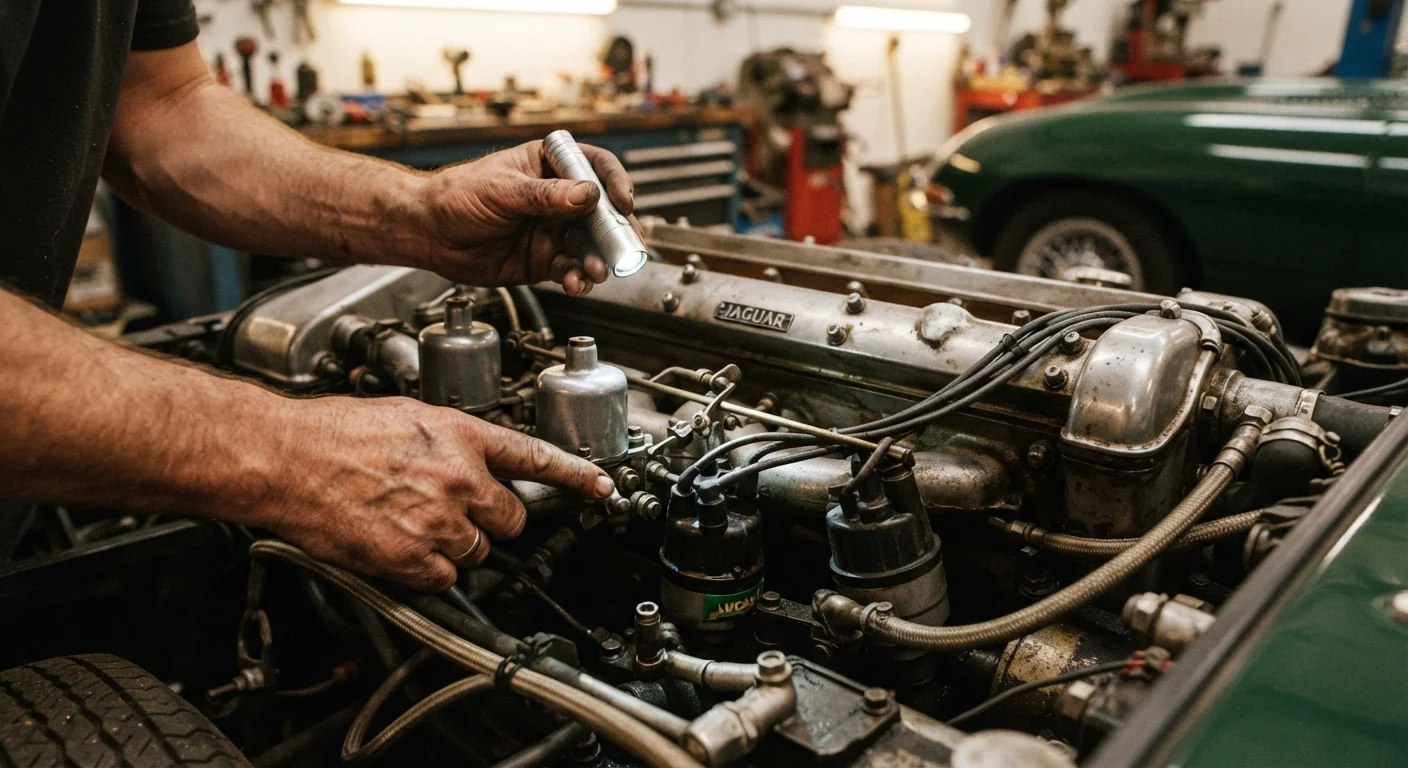
On a modern vehicle, a shop scanner reads fault codes and flags known issues. On a 1965 muscle car or a 1970s European sports car, there are no OBD ports, no digital service histories, and no factory warranty records to fall back on. What you have instead is physical evidence — the kind you find with your eyes, hands, a flashlight, and ideally a lift.
This checklist is organized into five areas that matter most: body and paint, chassis and structure, mechanicals, interior and electrical, and documentation. Work through each section methodically before you consider making an offer. For a broader sense of what classic ownership involves beyond the purchase itself, see our guide on everything classic car ownership actually involves.
Don't Skip the Independent Inspection
No matter how knowledgeable you are about classic vehicles, an independent inspection by a specialist mechanic familiar with the specific make and model is strongly recommended before any purchase. A seller's disclosure is not a substitute for a professional assessment. Budget time and cost for this step — it can reveal issues that would cost far more to fix than the inspection itself.
Tools and Resources to Bring
Arriving prepared is half the battle. The right tools let you assess areas a seller may hope you overlook.
Paint Thickness Gauge
Measures the depth of paint on each body panel to reveal hidden filler or multiple repaint layers over accident damage.
LED Flashlight and Inspection Mirror
Allows thorough examination of undercarriage, wheel wells, and hard-to-see areas where rust and frame damage hide.
Classic Car-Specific Reference Guide or Decode Sheet
Lets you verify VIN structures, casting numbers, trim codes, and option combinations specific to the make, model, and year.
Screwdriver or Awl
Used to probe suspect areas for rust perforation — soft metal under surface rust indicates structural compromise.
Marque-Specific Specialist Mechanic
A qualified mechanic familiar with the specific vehicle type can identify problems that general inspectors routinely miss.
Vehicle History Report Service
Provides ownership history, title events, and reported accidents to cross-reference the seller's claims.
Borescope Camera
Allows visual inspection of cylinder bores, tight engine bay corners, and interior cavities without disassembly.
The Full Inspection Checklist
Work through the groups below in order. Complete each section before moving to the next — it's easy to get distracted by a beautiful interior while missing serious frame damage underneath.
Body and Paint
Chassis, Frame, and Rust
Engine and Drivetrain
Interior and Electrical
Documentation and Title
Title and VIN Issues Can Be Costly and Complex
A mismatched, salvage, or bonded title on a classic vehicle can create serious problems with registration, insurance, and future resale. In some states, resolving title issues requires legal action. Always confirm the title is clean and in the seller's legal name before signing anything. If the VIN does not match across all factory-stamped locations, treat this as a significant red flag requiring explanation and independent verification.
Once you've completed your own inspection, a vehicle history report can help you cross-reference ownership claims and flag title issues. Our guide to reading a vehicle history report explains which sections actually matter for older vehicles.
If the car is being sold at auction rather than privately, the inspection window may be limited. Review our overview of buying a classic car at auction to understand what due diligence looks like in that format.
The content on this site is for informational purposes only and is not a substitute for professional advice. Always consult a qualified professional for guidance specific to your situation.