

Summary
22 items · 30–60 minutes with a qualified mechanic
Why an Independent Inspection Is Worth the Upfront Cost
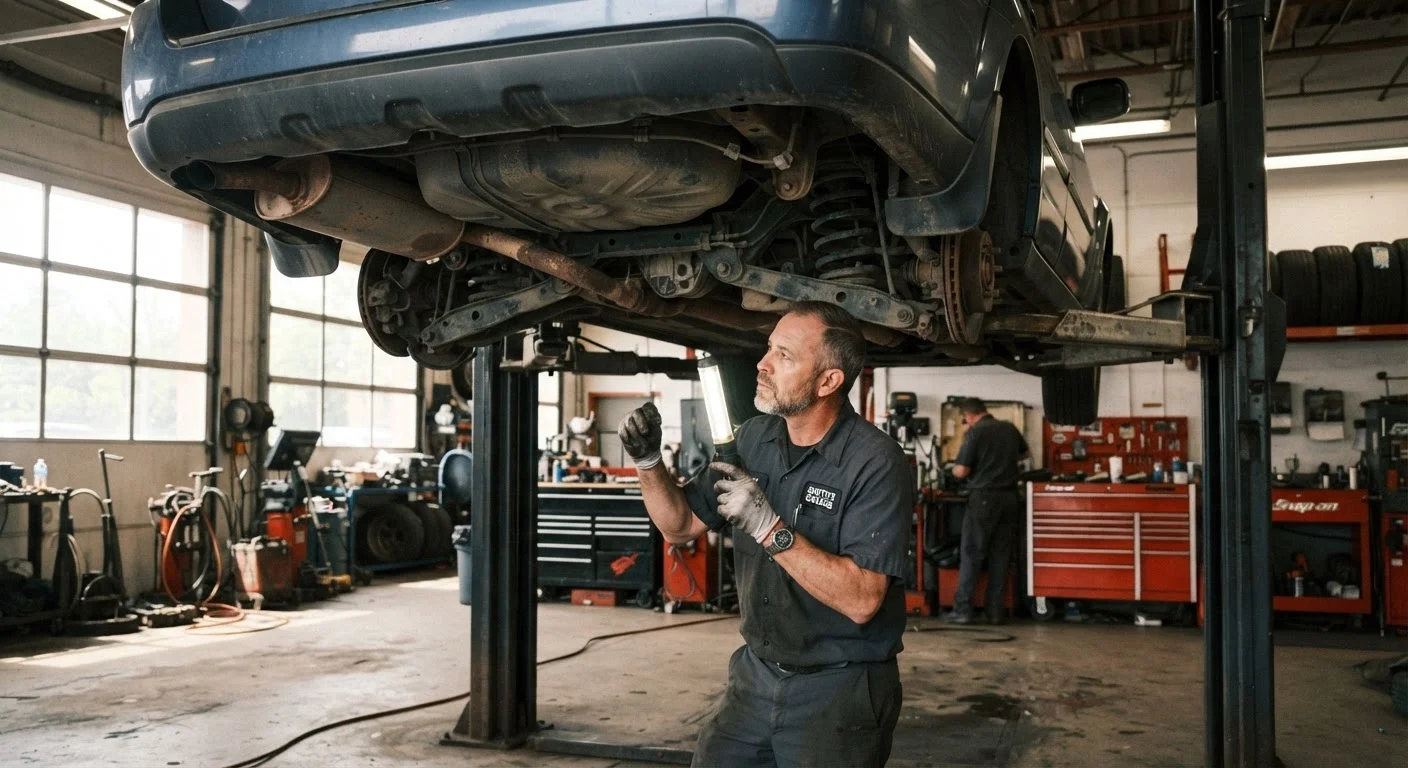
Buying a used vehicle is one of the larger purchases most Americans make, yet many buyers skip the one step that can meaningfully reduce their financial risk: an independent pre-purchase inspection (PPI). Unlike the seller's own disclosure or a quick test drive, a PPI gives a disinterested mechanic the opportunity to examine the vehicle systematically — and report only to you.
If you've done your initial research online, you already know that digital listings have limits. As we note in our guide to online car shopping, photos and descriptions can't replicate what a trained eye finds under the hood or beneath the chassis. A PPI bridges that gap. And while a certified pre-owned program provides some protection through manufacturer-backed checks, even CPO vehicles can benefit from independent verification.
The inspection fee — commonly in the $100–$200 range, though prices vary by region and shop — is modest relative to the cost of discovering a major engine or transmission problem after purchase. Findings from an inspection also give you documented leverage to renegotiate the price or walk away entirely.
Don't Skip the Inspection on Dealer Vehicles
Some buyers assume that purchasing from a franchised dealership eliminates the need for an independent inspection. In most cases, this is not accurate. Dealers are generally not required to disclose every known defect, and vehicles sold 'as-is' transfer liability to the buyer. An independent PPI applies equally to dealership and private-party transactions.
What to Ask the Mechanic to Inspect
Before scheduling, ask the mechanic explicitly whether they perform a comprehensive PPI or a general once-over. Not all shops follow the same scope. Sharing this checklist with the mechanic in advance — and discussing it afterward — will help you get the most useful report. Our guide to communicating effectively with your mechanic has practical advice for making the most of that conversation.
Before the Inspection
Exterior and Body
Engine and Drivetrain
Suspension, Brakes, and Tires
Electrical and Safety Systems
Using Inspection Results Wisely
A clean inspection report doesn't guarantee a trouble-free ownership experience, and a report with findings doesn't automatically mean you should walk away. The goal is information. Minor deferred maintenance — worn brake pads, an aging battery, low fluids — is expected on a used vehicle and relatively inexpensive to address. What you're watching for are signs of structural damage, evidence of major mechanical failure, or repairs that were done poorly and will fail again.
If the inspection surfaces an active check engine light condition or diagnostic trouble codes, ask the mechanic to explain what each code means and whether the underlying issue is minor or potentially serious. Use that information — along with the full report — as a negotiating tool or a reason to reconsider.
After purchase, a clean PPI gives you a useful baseline for future maintenance. Before you drive away, make sure you also complete a solid test drive checklist — the two steps together cover what neither accomplishes alone.
Inspection Results Are Not a Guarantee
Even a comprehensive pre-purchase inspection has limits. Intermittent electrical faults, early-stage internal engine wear, and issues that only appear under specific driving conditions may not be detectable during a static shop inspection. A PPI reduces your risk significantly — it does not eliminate it entirely. Pair it with a thorough test drive for the most complete picture.
This article provides general educational information about pre-purchase vehicle inspections. It is not a substitute for advice from a qualified, licensed mechanic who has physically examined the specific vehicle you are considering.
The content on this site is for informational purposes only and is not a substitute for professional advice. Always consult a qualified professional for guidance specific to your situation.