

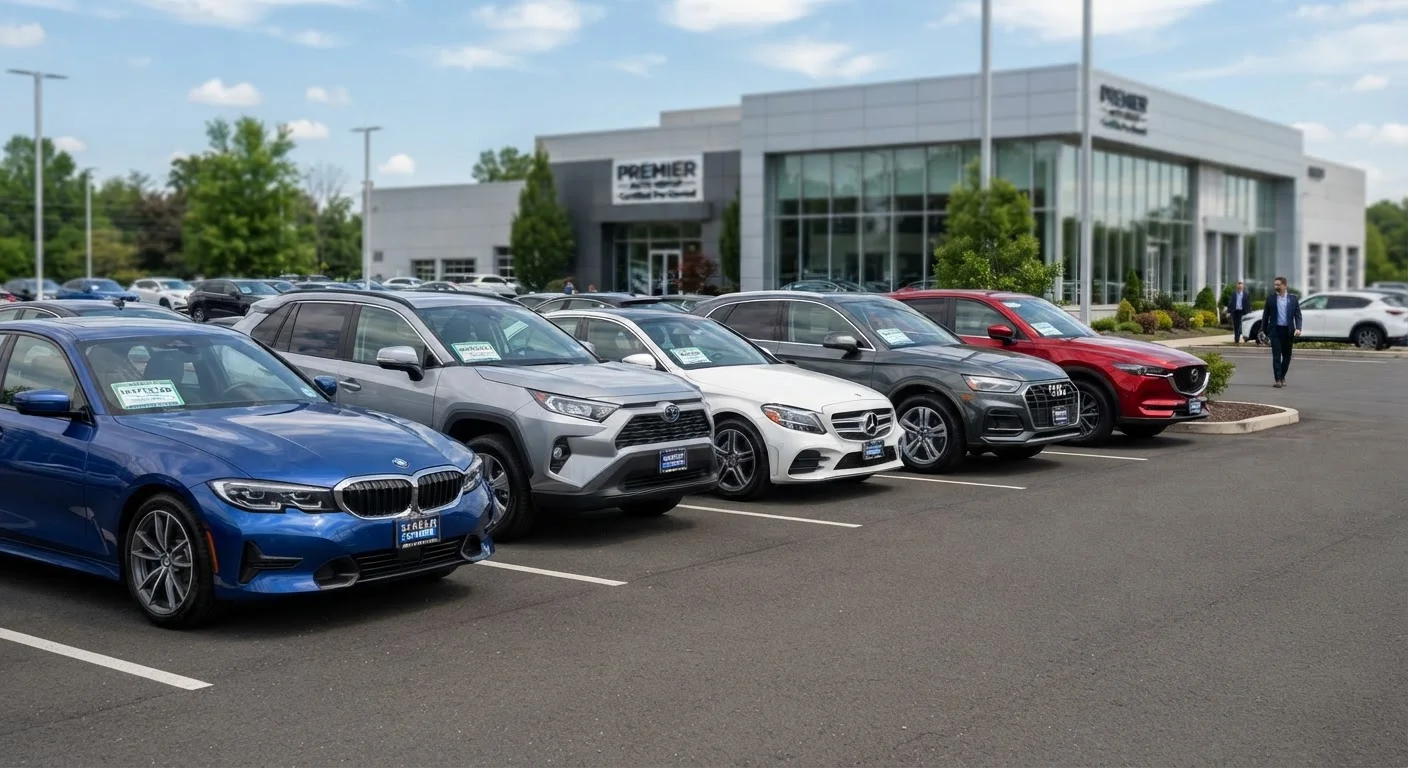
What a CPO Program Actually Involves
The term "certified pre-owned" is widely used but not uniformly defined. At its most rigorous, a CPO program is run by an automaker and applied only to vehicles sold through that brand's franchised dealer network. At its loosest, a dealer can call almost any inspected used car "certified" without meeting any outside standard.
The practical difference matters enormously. A manufacturer-backed CPO program imposes strict eligibility rules: the vehicle must typically be within a defined model-year range, under a mileage threshold, free of significant accident history, and capable of passing a multi-point inspection—often between 100 and 200 individual checks covering mechanical, safety, and cosmetic conditions. Vehicles that fail inspection points must be repaired before certification can be granted.
Dealer-certified programs, by contrast, set their own standards. Some are genuinely thorough; others are little more than a marketing label. Because there is no industry-wide regulatory definition of "certified," readers should always ask which entity backs the certification and request the actual checklist and warranty documents before treating the label as meaningful.
Always Ask Who Backs the Certification
Before accepting a CPO label at face value, ask the dealer whether the program is backed by the manufacturer or administered solely by the dealership. Request the written inspection checklist and warranty terms. A reputable program will have both documents readily available—hesitation to provide them is itself useful information.
The Warranty: What's Covered and for How Long
The warranty is the central value proposition of a CPO vehicle. Most manufacturer-backed programs include two layers of coverage. The first is whatever remains of the original factory warranty—if a car is two years into a three-year bumper-to-bumper policy, that coverage transfers to the new owner. The second is an extended CPO warranty that activates when the original expires.
Extended CPO warranties are typically powertrain-focused, covering the engine, transmission, and drivetrain components for an additional two to five years or a set number of miles beyond the original factory terms. Some premium brands extend fuller coverage. Roadside assistance is commonly bundled in as well.
100–200+
Inspection points in typical manufacturer CPO programs
The number of items checked varies by brand, but most major automaker CPO programs specify at least 100 inspection points covering mechanical, safety, and cosmetic criteria.
5–6 years
Maximum vehicle age for most CPO eligibility
The majority of manufacturer-backed programs limit certification to vehicles within five to six model years of the current year, though exact limits differ by automaker.
Key questions to ask about any CPO warranty: Is it backed by the manufacturer or a third-party administrator? Does it require service at brand dealerships, or is it honored at independent shops? What is the deductible per claim, if any? Are wear items like brakes and tires excluded? These details determine the real-world utility of the coverage.
How CPO Pricing Compares—and When the Premium Makes Sense
CPO vehicles command a price premium over comparable non-certified used cars. That difference reflects both the reconditioning costs absorbed by the dealer and the warranty coverage being transferred to the buyer. The gap varies by brand and market conditions but is real and measurable.
Whether the premium is worthwhile depends on a few factors. First, consider how much factory warranty remains on the vehicle. A CPO car with substantial original coverage still intact delivers more near-term protection than one where the CPO warranty has only just begun. Second, weigh the cost of purchasing a comparable extended warranty independently—sometimes the CPO markup exceeds what that coverage would cost separately. Third, factor in peace of mind: for buyers who are not mechanically experienced or who lack access to a trusted mechanic, documented certification reduces uncertainty.
For a broader look at how CPO fits into the new-versus-used decision, our article on what new and used vehicles actually cost walks through the full financial picture. And if specific terminology in the dealership paperwork is unfamiliar, a vehicle buying glossary can help decode the fine print.
Reading the Fine Print Before You Commit
No CPO label should be taken at face value without reviewing the actual documentation. Request the inspection report and confirm it lists every check performed and the outcome for each item. Verify the warranty terms in writing, not just verbally from a salesperson. Confirm whether the warranty is transferable if you sell the vehicle—some are, which adds resale value, and some are not.
Vehicle history is also worth independent verification. While CPO programs typically exclude cars with significant structural damage, a report from a recognized vehicle history service lets you confirm the disclosed history matches what the program documentation claims.
Once you own the vehicle, staying on top of maintenance is what keeps both the car and its warranty in good standing. Our introduction to vehicle ownership and maintenance schedules is a useful starting point for new owners navigating service intervals and upkeep responsibilities.
This article provides general information about certified pre-owned vehicle programs and is not a substitute for reviewing actual warranty and certification documents from the specific program and vehicle you are considering.
Frequently Asked Questions
A standard used car is sold as-is or with minimal dealer assurances. A CPO vehicle has passed a documented inspection, been reconditioned to meet program standards, and comes with a warranty backed by either the manufacturer or the dealership. That documentation and warranty coverage are what justify the higher price.
For manufacturer-backed CPO programs, the original automaker backs the warranty—meaning claims are handled through franchised dealerships in the same network, regardless of where you purchased the car. Dealer-certified programs are backed solely by the selling dealership, which can vary widely in reliability and scope.
It can be worthwhile. A CPO inspection is conducted by the selling dealership, so an independent pre-purchase inspection from a neutral mechanic adds an unbiased second opinion. See our <a href="/autos/vehicle-shopping/what-a-pre-purchase-inspection-should-actually-cover">guide on what a pre-purchase inspection should cover</a> for what that process typically includes.
Many manufacturers offer promotional financing rates on their CPO inventory, similar to incentives on new cars. These rates change periodically and vary by automaker, so it's worth asking the finance department about current CPO-specific loan terms when shopping.
Most manufacturer-backed programs cap eligibility at roughly five to six years old and somewhere between 60,000 and 80,000 miles, though the exact thresholds differ by brand. Vehicles that exceed these limits may qualify for a dealer-certified program but not the manufacturer's own.
It depends on the vehicle's age, mileage, and the remaining coverage provided. If the factory warranty has largely expired and the CPO adds meaningful powertrain or bumper-to-bumper coverage, the premium may be justified. Comparing the cost of an extended warranty purchased separately against the CPO price difference is a useful exercise.
The content on this site is for informational purposes only and is not a substitute for professional advice. Always consult a qualified professional for guidance specific to your situation.