

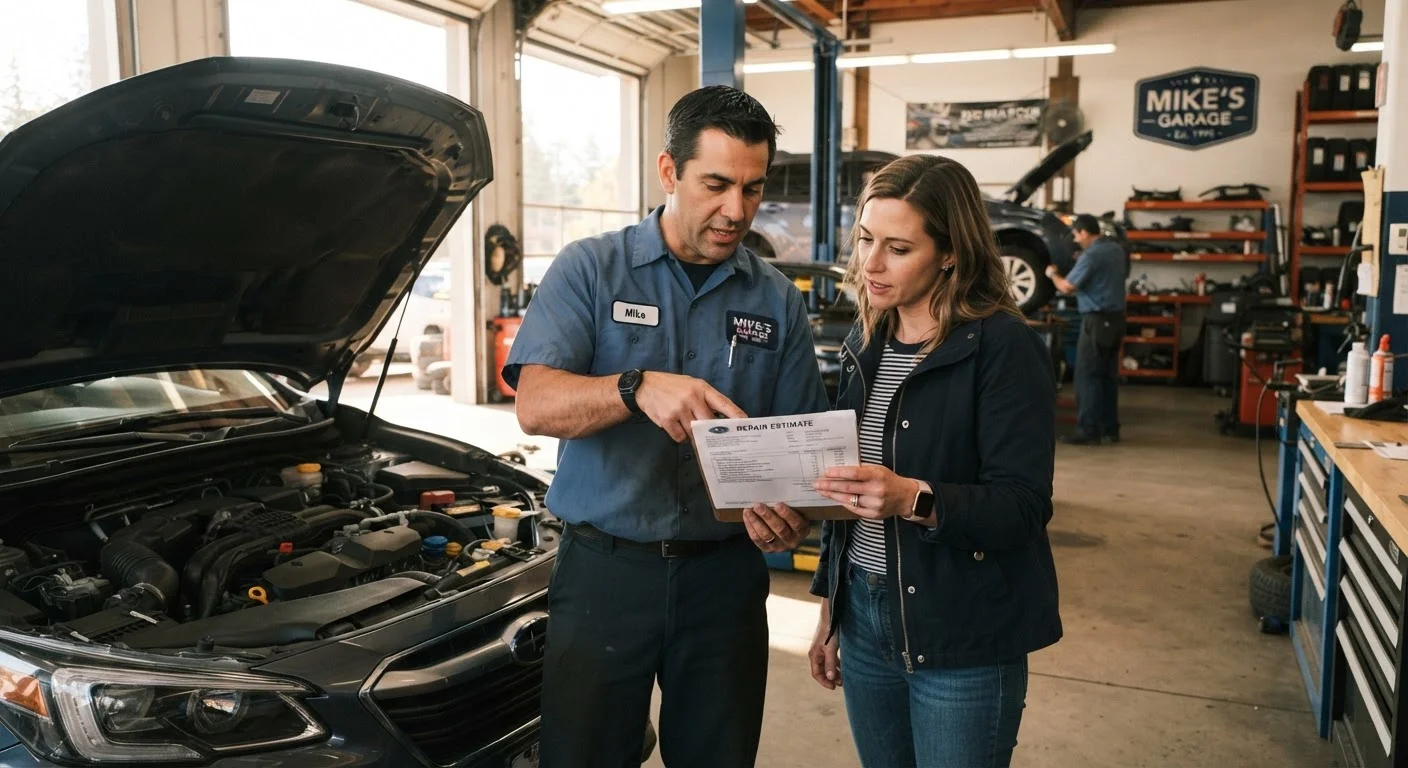
Why Clear Communication Matters at the Shop
Most repair frustrations don't start under the hood—they start at the service counter. Vague descriptions, misunderstood authorizations, and surprise charges are all communication failures as much as technical ones. Whether you're a first-time owner or a longtime driver, learning to exchange information effectively with your mechanic can mean the difference between a precise fix and an expensive guessing game.
Think of it the way you'd prepare for any important professional consultation. Just as communicating clearly with a doctor improves the quality of care you receive, structuring what you tell your mechanic improves diagnostic accuracy and repair quality. For a broader foundation on vehicle ownership basics, see our guide for first-time vehicle owners.
Describe symptoms in observable terms, not conclusions.
Telling a mechanic "the transmission is slipping" is a diagnosis, not a symptom. Technicians need raw observations to reach their own accurate conclusions. Leading with conclusions can bias the diagnosis toward the wrong repair.
Write down symptoms before you arrive.
Under the mild pressure of a service counter interaction, it's easy to forget key details. A short written note ensures you communicate every relevant observation, including intermittent issues that aren't happening at the moment of drop-off.
Ask what the diagnostic process will involve before authorizing it.
Diagnostic time is billed separately from repair labor at most shops. Knowing the scope and cost of diagnosis upfront prevents bill shock. It also helps you understand what information you'll receive in return.
Request that removed parts be returned to you.
Seeing the worn or failed part confirms the repair was necessary and gives you physical evidence of the work performed. Most reputable shops will accommodate this request unless parts were exchanged under a core program.
Confirm the repair in writing before leaving your vehicle.
Verbal agreements about what will and won't be done are hard to enforce if a dispute arises. A signed work order protects both you and the shop by creating a clear record of the agreed scope.
What to Do Before You Even Walk In
Preparation before arriving at the shop makes the entire interaction more productive. Note when a problem first appeared, under what driving conditions it occurs (highway speeds, cold starts, turning), and whether it's getting worse. If a warning light triggered the visit, don't reset it yourself before arriving—the stored diagnostic codes are useful data.
Understanding Estimates and Authorizations
Every repair should begin with a written estimate that itemizes parts, labor hours, and any diagnostic fees. In most U.S. states, shops are legally required to obtain your authorization before exceeding an agreed estimate. Review the line items carefully—our article on reading a repair estimate breaks down what each charge actually represents.
Pay attention to language: "required" means the vehicle is unsafe or non-functional without the repair, while "recommended" means the shop is suggesting additional work that isn't immediately critical. You have every right to approve required work and defer recommended items, or to get a second opinion. Similarly, if a technician finds unexpected issues mid-repair, they should contact you before proceeding—not present a revised bill at pickup.
Authorization Laws Vary by State
Most U.S. states have automotive repair consumer protection laws that require written estimates and customer authorization before repair costs exceed a set threshold. The specifics—dollar limits, notification requirements, and your right to a final invoice—differ by jurisdiction. Contact your state's consumer protection office or attorney general for the rules in your area.
Building a Productive Long-Term Relationship
Returning to the same shop for routine maintenance creates a documented vehicle history that benefits both parties. A mechanic who knows your car's background can spot developing patterns faster. Keep your own records too—mileage, service dates, and what was done—and bring them to appointments when relevant.
If brake-related symptoms brought you in, understanding how the system works can also improve the conversation. Our piece on how brake pads, rotors, and calipers interact helps you ask informed questions about component wear. And if you're considering a used vehicle purchase, the same communication skills apply—see what a pre-purchase inspection should cover for guidance on working with an independent inspector.
1 in 3
Drivers who feel uncertain about repair estimates
AAA surveys have consistently found that a significant share of American drivers lack confidence when reviewing shop estimates, highlighting the value of informed communication.
$400+
Average unexpected repair bill per incident
Bankrate research indicates that unexpected vehicle repairs are among the most common financial shocks American households face, underscoring why understanding authorizations matters.
The content on this site is for informational purposes only and is not a substitute for professional advice. Always consult a qualified professional for guidance specific to your situation.