

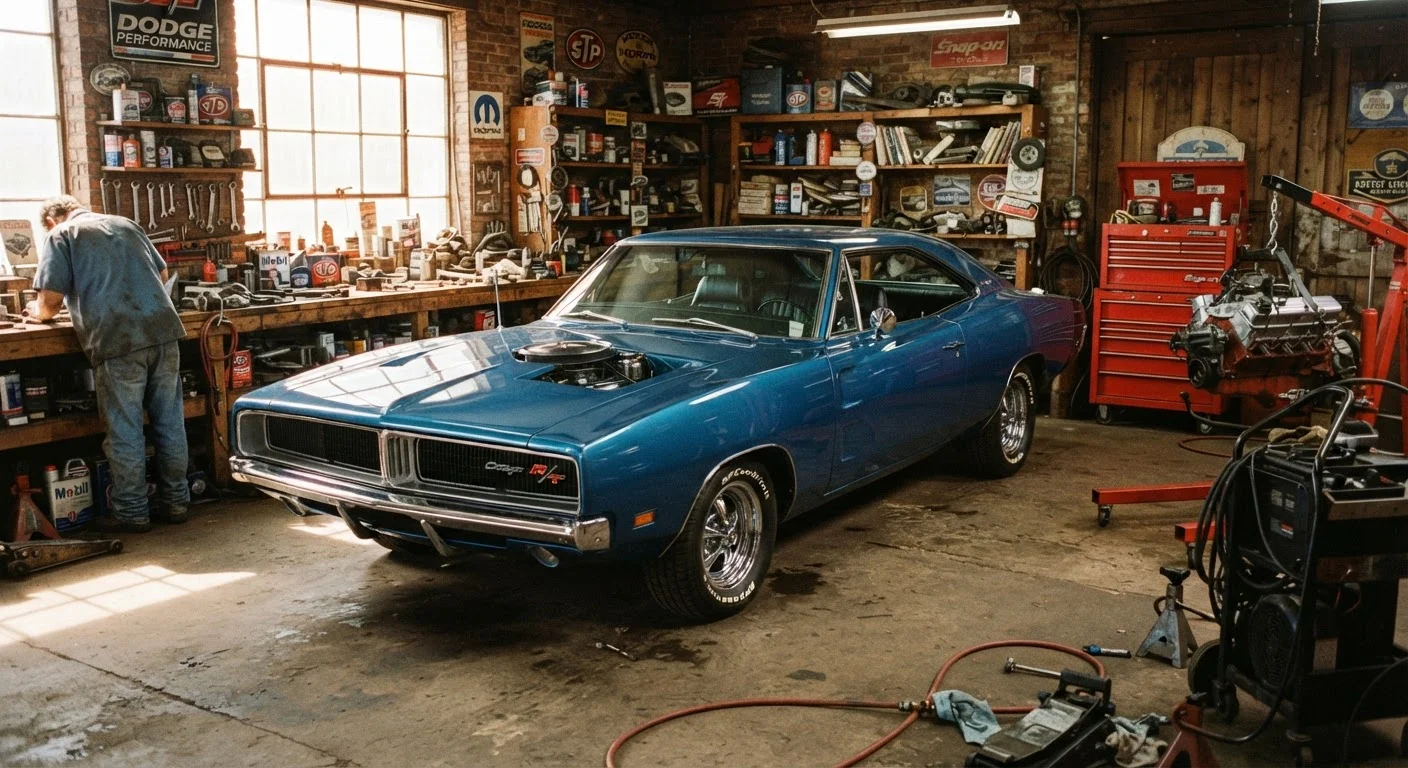
Defining What Counts as a Classic
The term classic car is used casually, but it carries specific meanings depending on context. Insurance companies, state DMVs, and hobbyist organizations each apply different criteria. Many states define a vehicle as a historic or antique automobile once it reaches 25 years of age, though some use a 20-year or 30-year threshold. Collector car clubs often distinguish between antique (pre-1930s), classic (roughly 1925–1948, per some formal definitions), vintage, and muscle car eras.
For practical purposes, most enthusiasts consider any vehicle over 20–25 years old, maintained in original or restored condition, and driven primarily for enjoyment rather than daily transportation, to qualify as a collectible. Understanding these distinctions matters because they directly affect how you register, insure, and operate the vehicle. See how American automotive design evolved decade by decade to better understand which era your target vehicle represents.
25 years
Common historic vehicle age threshold
Many U.S. states use a 25-year age cutoff to qualify a vehicle for historic or antique registration, though thresholds vary by jurisdiction.
Agreed Value
Coverage type preferred by collectors
Specialty classic car insurers typically offer agreed-value policies, which pay a pre-set amount in a total loss rather than depreciated actual cash value.
2,500–5,000 mi
Typical annual mileage cap on specialty policies
Most specialty classic car insurance policies impose annual mileage limits, commonly ranging from 2,500 to 5,000 miles, reflecting the vehicle's collector rather than daily-driver status.
Sourcing and Purchasing Your Vehicle
Finding the right classic involves more research than a typical used-car purchase. Sources range from private sellers and estate sales to specialty auction houses, dealer lots, and online marketplaces dedicated to collector vehicles. Each channel carries different risk profiles. Auction purchases often come without warranties and allow limited pre-sale inspection time.
Before committing to any purchase, a pre-purchase inspection (PPI) by a mechanic who specializes in the specific marque is strongly recommended. A generalist mechanic may miss era-specific issues — for example, hidden rust in unibody construction common to 1960s compacts, or problematic engine seals typical of certain V8 families. Structural rust, mismatched VINs, and evidence of accident repair are among the costliest surprises to discover after the sale. For broader context on smart vehicle acquisition strategies, our vehicle shopping resource hub covers research fundamentals that apply across vehicle types.
Commission a PPI from a mechanic who has hands-on experience with your specific make and model — not just vintage vehicles generally. A specialist will recognize deferred issues that a generalist is likely to miss.
Marque-specific problems, such as known weak points in certain engine families or body panels prone to hidden rust, require specialized knowledge to identify reliably during a pre-purchase inspection.
When evaluating a potential purchase, price in the cost of parts and labor for any known deficiencies before agreeing to a sale price. A low sticker price can obscure a high true cost of ownership.
Classic car restoration and repair costs frequently exceed initial estimates, particularly for low-production models where parts must be sourced individually or fabricated.
Verify the title status thoroughly. A vehicle with a salvage title, a bonded title, or a gap in ownership history may face complications at registration and may be uninsurable under specialty policies. Request documentation of any restoration work, and cross-reference the VIN against the manufacturer's build records where those are available for the make and model.
Title, Registration, and Insurance
Once you've purchased a classic, the administrative process begins. Most states offer a dedicated historic vehicle or antique vehicle registration category for qualifying automobiles. These registrations typically come with reduced annual fees and, in some states, exempt the vehicle from regular emissions testing — though mileage or use restrictions often apply. Operating a historically registered vehicle as a daily driver may violate the terms of that registration in certain jurisdictions.
Historic Registration Comes With Use Restrictions
Vehicles registered under historic or antique classifications in most states may only be operated for hobby, exhibition, and maintenance purposes — not as regular transportation. Using a historically registered vehicle as a daily driver can technically constitute a registration violation. Check your state's specific statutes, as enforcement and definitions vary considerably.
Standard auto insurance policies are generally a poor fit for collector vehicles. Specialty classic car insurance, offered by carriers that focus on the collector market, typically provides agreed value coverage — meaning the insured and the insurer agree on the vehicle's value upfront, and that full amount is paid in the event of a total loss, without depreciation deductions. In contrast, standard policies often pay only actual cash value, which can be significantly lower for a vehicle whose market value is driven by collector demand rather than typical depreciation curves.
Specialty policies commonly include annual mileage limits, requirements for secure storage, and restrictions on using the vehicle for hire or racing. Read the policy terms carefully and disclose your intended use accurately — misrepresentation can result in a denied claim. Insurance is general financial information; consult a licensed insurance professional for guidance specific to your situation.
Maintenance, Parts, and Storage
Maintaining a classic car differs fundamentally from maintaining a modern vehicle. Onboard diagnostics, electronic fuel injection, and dealer service networks do not apply. Many classic car owners develop relationships with independent shops that specialize in vintage vehicles, or develop their own mechanical skills over time.
Parts availability is one of the most significant variables in the ownership experience. High-production vehicles — think popular muscle cars or widely exported European models — often have robust aftermarket and new-old-stock (NOS) ecosystems. Low-production or obscure models may require sourcing parts from salvage yards, having components machined from scratch, or joining a marque club whose members share parts leads. Research parts availability for your specific model before purchasing, not after. Our vehicle parts and services hub covers maintenance fundamentals that apply broadly to vehicle ownership.
Fuel System Care During Storage
Modern gasoline containing ethanol can degrade rubber fuel lines, seals, and carburetor components — and phase-separate in the tank during extended storage. Add a fuel stabilizer formulated for ethanol-blended fuels at the start of any storage period longer than 30 days, and consider running the engine briefly afterward to circulate treated fuel through the system.
Storage is where many owners underinvest. A classic parked in an unheated, uninsulated space is exposed to temperature cycling, humidity, condensation, and pests — all of which accelerate deterioration of rubber seals, upholstery, wiring insulation, and bare metal surfaces. A climate-controlled garage, a quality car cover, fuel stabilizer in the tank, and a battery tender connected during long storage periods are baseline practices, not optional upgrades. Proper storage is also typically required to maintain specialty insurance coverage.
Shows, Events, and Track Days
Participation in the broader hobby is where many owners find the most satisfaction. Concours events evaluate vehicles on originality and presentation. Cruise-ins are casual, low-barrier gatherings. Rallies involve point-to-point driving over a defined route. Track days allow spirited driving in a controlled environment — though preparation requirements for track use differ substantially from street or show use.
Before entering a track event with a classic vehicle, have the braking system, cooling system, and fuel system thoroughly inspected by a qualified mechanic. Many vintage vehicles were not engineered for sustained high-speed use by modern standards, and brake fade, overheating, and fuel delivery issues are real risks under track conditions. Always follow the safety protocols of the organizing body. Joining the classic car community through shows, clubs, and resources is a natural next step once you've established your ownership baseline.
“The classic car hobby rewards patience and preparation above all else. The buyers who research before they purchase — and who build relationships with knowledgeable mechanics and fellow enthusiasts early — tend to have far more enjoyable ownership experiences than those who jump in without that groundwork.”
— Autos Editorial Team, Automotive journalists and researchers
For owners newer to the mechanical side of vehicle care, vehicle ownership fundamentals for first-timers provides a grounded starting point for understanding service schedules and working with mechanics — skills that translate directly into the classic car world.
This article is for general informational purposes only. Registration requirements, insurance terms, and safety standards vary by state and provider. Consult qualified professionals — including licensed mechanics, insurance agents, and local DMV authorities — for guidance specific to your vehicle and situation.
The content on this site is for informational purposes only and is not a substitute for professional advice. Always consult a qualified professional for guidance specific to your situation.