

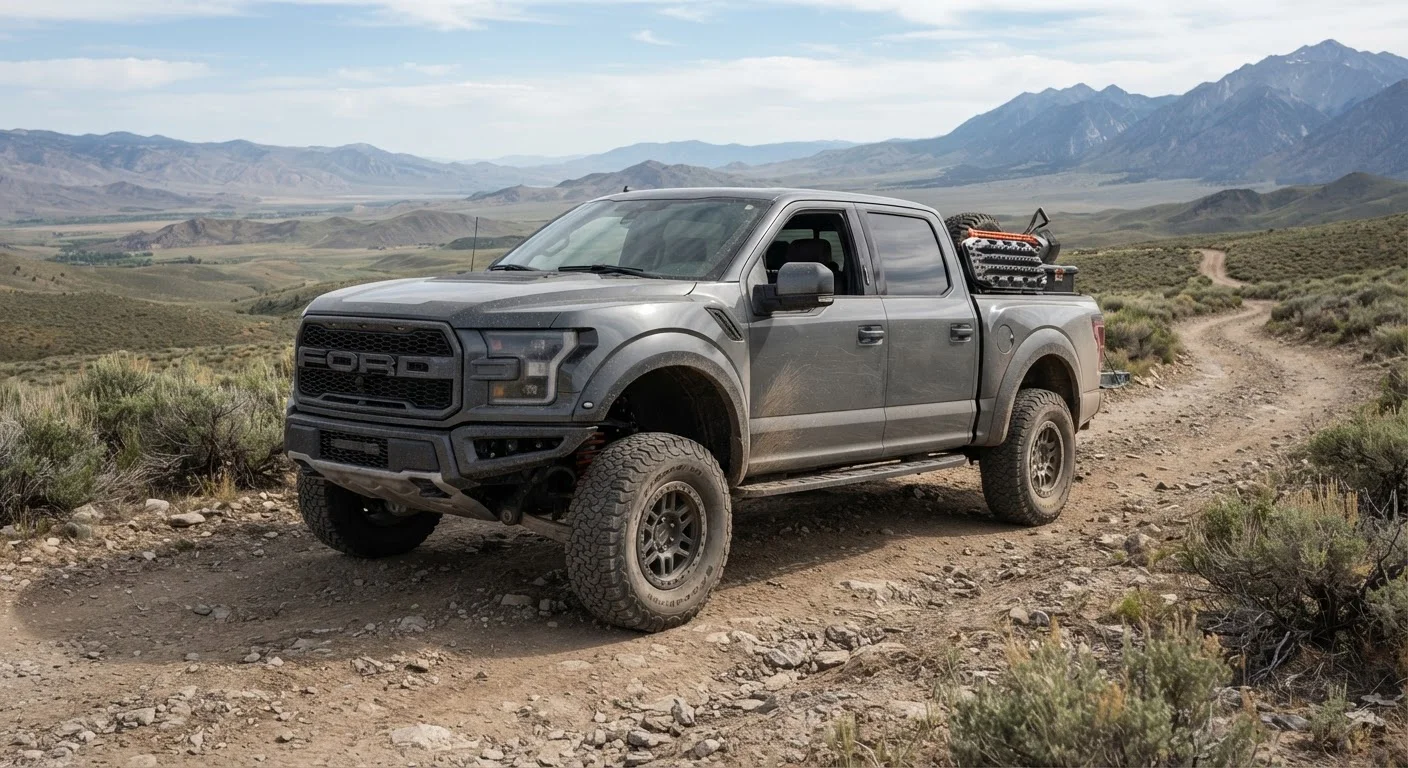
The Architecture That Defines a Truck
At its core, a pickup truck is defined by a specific structural approach: body-on-frame construction. In this design, a heavy steel ladder frame runs the length of the vehicle, and the cab (passenger compartment) along with the cargo bed sit on top of that frame as separate assemblies. The frame bears the structural loads — payload weight, towing stress, rough terrain — while the body above it focuses on housing passengers and cargo.
This is a fundamentally different approach from the unibody construction used in most modern cars, crossovers, and many SUVs, where the body and structural components are integrated into a single welded assembly. Unibody vehicles are lighter and often more fuel-efficient, but they are not engineered to sustain the bending and torsional stress that comes with serious hauling and towing work.
The ladder frame also provides practical advantages: it can be engineered to accommodate different cab configurations, bed lengths, and axle setups without redesigning the core structure. That flexibility is why the same basic platform can underpin a basic work truck and a crew-cab model with a long cargo bed.
Truck-Like Vehicles That Aren't Trucks
Some vehicles marketed with truck styling — including certain unibody 'sport trucks' and crossover-based pickups — do not use traditional body-on-frame construction. These vehicles may offer a cargo bed but with lower payload ratings and different structural limitations than conventional trucks. If capability is a priority, confirm the chassis type and consult the vehicle's certified payload rating before purchasing.
See how pickup trucks fit into the broader landscape of motor vehicle types in our article Sedans, SUVs, Trucks, and Beyond.
Payload: What It Means and Why It Matters
Payload capacity is the maximum combined weight of everything you place inside and on the truck — passengers in the cab, gear in the bed, and any equipment mounted to the truck itself. It does not include the truck's own weight. Payload is calculated as the difference between a truck's GVWR (Gross Vehicle Weight Rating, the maximum allowable total weight of the loaded vehicle) and its curb weight (the weight of the truck with a full tank of fuel and no passengers or cargo).
~1,500–2,300 lbs
Typical payload range for half-ton pickups
Payload ratings vary significantly by configuration, engine, and axle; the sticker inside the driver's door jamb shows the specific rating for each individual truck.
~80%
Share of U.S. full-size truck sales that are pickups
Pickup trucks consistently rank among the top-selling vehicle segments in the United States, reflecting both commercial demand and consumer preference.
Exceeding payload capacity is not just a mechanical concern — it affects braking distances, suspension geometry, and steering response. Overloaded trucks can be significantly more difficult to control, particularly in emergency maneuvers. For this reason, payload ratings are engineering and safety limits, not conservative estimates.
For readers who also tow trailers, it is important to understand that payload and towing capacity interact. The tongue weight of a trailer — typically 10–15% of the trailer's loaded weight — counts against your truck's payload. RV Weight Ratings Decoded covers how these figures work together when hauling or towing larger loads.
The Open Bed: Function as Form
The most visually obvious feature of a pickup truck is its open cargo bed — a flat, walled loading area separated from the passenger cab. Unlike an enclosed van cargo area or an SUV's rear hatch space, the truck bed is open to the elements by default and designed for flexible, uncontained loads: lumber, landscaping materials, equipment, pallets, motorcycles, and more.
Bed dimensions vary by configuration. Standard bed lengths typically range from around five and a half feet to eight feet, with shorter beds paired with larger crew cabs and longer beds appearing on work-focused configurations. The bed floor is usually reinforced steel or composite material, with stake pockets along the rails for securing loads and a hinged tailgate at the rear.
This open architecture is what enables trucks to carry oversized or irregularly shaped cargo that would be impossible to fit in an enclosed vehicle. It also makes loading and unloading easier with equipment like forklifts or pallet jacks. The tradeoff is exposure to weather, which users typically manage with bed covers, bed liners, or tarps.
Check the Door Jamb Sticker for Your Actual Payload
Every pickup truck sold in the U.S. has a certification label on the driver's door jamb that lists that specific vehicle's payload capacity. This number reflects the exact configuration — cab style, engine, bed length, and installed options — and may differ from advertised maximum figures. Always use this sticker, not brochure numbers, as your reference.
For a deeper look at how trucks compare to cargo vans — another purpose-built hauling platform — see our overview of the commercial van segment.
Purpose: Work Tool, Tow Vehicle, and Daily Driver
Pickup trucks have historically been work vehicles — designed to carry tools, materials, and equipment for agriculture, construction, and trade work. That core purpose has not changed, but the market has expanded significantly. Today's full-size trucks often serve as family vehicles, recreational tow vehicles for boats and campers, and daily commuters that are never asked to carry anything heavier than groceries.
Understanding intended use matters when evaluating whether a truck genuinely fits your needs. A half-ton truck (such as those designated by manufacturers as 1500-series) handles everyday hauling and moderate towing. Heavier-duty configurations — three-quarter-ton and one-ton — are engineered for sustained heavy towing and higher payload demands. Light-Duty vs. Heavy-Duty Pickup Trucks breaks down what those numerical designations actually represent in terms of capability.
For consumers deciding whether a truck is the right vehicle type for their actual habits, it helps to evaluate payload needs, towing frequency, parking constraints, and fuel costs against alternatives like vans or SUVs. Matching a Vehicle Type to Your Actual Driving Life provides a practical framework for that decision.
Frequently Asked Questions
Payload capacity is the maximum weight you can load into the truck itself — in the bed and the cab — including passengers and cargo. Towing capacity is how much weight the truck can pull behind it on a trailer. Both limits must be respected simultaneously; loading up the bed reduces your effective towing margin.
Not exactly. 'Light truck' is a broader regulatory and market classification that includes pickups, vans, and SUVs. Pickup trucks are a specific body style within that category, distinguished by their open cargo bed and body-on-frame construction.
Body-on-frame separates the structural load-bearing frame from the passenger body, allowing the frame to flex slightly under heavy loads without stressing the cab. This design also makes trucks more repairable and better suited to towing and off-road stress than a unified unibody structure.
No. Payload ratings are determined by the manufacturer based on engineering and safety testing of the entire vehicle system. Aftermarket suspensions or bed liners do not increase the rated payload. Exceeding the payload rating can compromise braking, handling, and structural integrity.
No. Pickup trucks are available in rear-wheel drive and four-wheel drive configurations. Rear-wheel drive is common in work-focused applications, while four-wheel drive adds off-road and low-traction capability at additional cost and weight.
The content on this site is for informational purposes only and is not a substitute for professional advice. Always consult a qualified professional for guidance specific to your situation.