

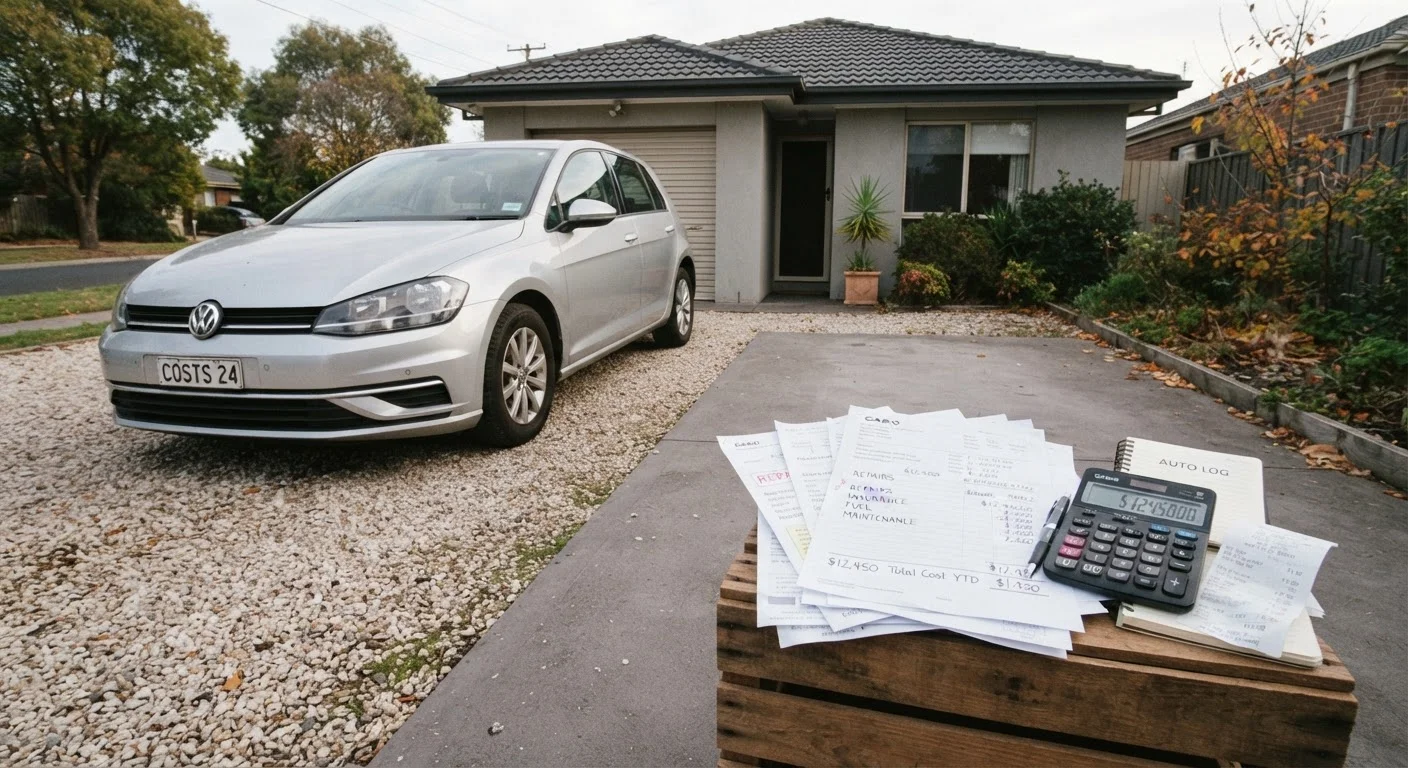
Why the Monthly Payment Is a Misleading Benchmark
When shopping for a vehicle, it's tempting to focus on whether a monthly payment fits your budget. Lenders and dealers often frame affordability this way — and it's easy to see why. But the monthly payment reflects only your loan principal and interest. It tells you nothing about what the vehicle will actually cost you to keep on the road.
A lower-priced vehicle with poor fuel economy, high insurance rates, or a history of expensive repairs can easily cost more over three to five years than a pricier vehicle that's cheaper to run. Thinking in terms of total monthly budget — not just the loan — is the more reliable approach to vehicle affordability.
Run the Numbers Before You Fall in Love
Before visiting a dealership or finalizing a vehicle choice, research insurance quotes, fuel costs, and maintenance schedules for each vehicle you're considering. This takes under an hour and can reveal significant differences in true affordability. It's far easier to compare on paper than to regret after signing.
The Major Cost Categories Beyond the Purchase Price
Breaking down total cost of ownership means accounting for several categories that are easy to underestimate:
- Insurance: Premiums vary widely based on vehicle type, your driving record, location, and the level of coverage you carry. Sports cars, luxury vehicles, and newer models generally cost more to insure. For a grounding in how coverage works, see the auto insurance essentials hub. Rates are not standardized — always get quotes before committing to a purchase.
- Fuel: Multiply the vehicle's EPA-estimated miles per gallon by your average annual mileage and local fuel prices for a rough annual estimate. The difference between a 25 MPG and 35 MPG vehicle can amount to hundreds of dollars per year.
- Routine maintenance: Oil changes, tire rotations, brake service, air filters, and fluid replacements add up predictably over time. Manufacturer maintenance schedules, which vary by brand and model, determine how often these services are needed. First-time owners often underestimate how quickly these costs accumulate.
- Tires: Replacement tires are a significant periodic expense. Performance vehicles often require specialty tires that cost considerably more than standard all-season sets.
- Registration and fees: Annual registration fees vary by state and are often tied to vehicle value or weight. Some states also require emissions testing, which carries its own fees.
~$12,000+
Average annual cost to own and operate a new vehicle
According to AAA's 'Your Driving Costs' study, when all ownership costs are combined, annual expenses for a new vehicle can exceed $12,000 depending on vehicle type and usage.
Up to 20%
Potential value loss in the first year of ownership
New vehicles can lose a significant share of their value within the first 12 months, according to automotive data sources tracking depreciation trends.
~$1,700/year
Average annual auto insurance cost in the U.S.
The National Association of Insurance Commissioners (NAIC) tracks average auto insurance expenditures; costs vary widely by state, driver profile, and coverage level.
Depreciation: The Invisible Cost
Depreciation is the largest single cost of ownership for most drivers, yet it never appears on a monthly bill. It represents how much value the vehicle loses over time. New vehicles can lose a substantial portion of their value in the first few years of ownership — meaning the vehicle you paid a significant amount for today may be worth meaningfully less when you go to sell or trade it in.
Depreciation rates differ significantly across makes, models, and vehicle segments. Trucks and SUVs have historically held their value better than many sedans in the U.S. market, though this varies by brand and market conditions. Understanding depreciation is especially important if you're comparing a new vehicle to a used one — for a structured look at that trade-off, see New Car vs. Used Car: What Each Choice Actually Costs You.
Depreciation Varies by Market Conditions
Vehicle depreciation rates are not fixed and can shift with broader economic conditions, fuel prices, and consumer demand. During periods of tight vehicle supply, used vehicle values have held unusually high — meaning depreciation assumptions based on historical averages may not always apply. Consult current market data when making ownership cost estimates.
Putting It Together: Estimating Your True Monthly Cost
To estimate a vehicle's real monthly cost, add up all expected expenses over the ownership period, then divide by the number of months you plan to own it. A simplified formula might look like this:
- Loan payments (principal + interest) over the term
- Estimated annual insurance premium ÷ 12
- Estimated annual fuel cost ÷ 12
- Estimated annual maintenance and tires ÷ 12
- Annual registration fees ÷ 12
- Estimated depreciation over ownership period ÷ months owned
This exercise frequently reveals that the actual monthly cost of ownership is substantially higher than the loan payment alone. It also makes it easier to compare two vehicles honestly — for instance, whether a lower-sticker vehicle with high fuel costs is actually more affordable than a higher-sticker model that's cheaper to run and insure. The same principle applies to other major purchases; RV ownership carries a similar gap between sticker price and true ongoing expense.
For unfamiliar terms you encounter during the shopping process — like residual value, GAP insurance, or dealer fees — the vehicle buying glossary offers clear definitions to help you navigate with confidence.
Frequently Asked Questions
TCO typically includes the purchase price or loan payments, interest, insurance premiums, fuel, routine maintenance, tires, registration and licensing fees, and depreciation. Less predictable costs like major repairs or collision damage can also factor in over time.
According to AAA's annual 'Your Driving Costs' study, the average annual cost of vehicle ownership for a new sedan is several thousand dollars per year when all expenses are combined. The exact figure varies significantly by vehicle type, driving habits, and location.
Not always. Used vehicles typically cost less upfront and depreciate more slowly, but they may carry higher repair and maintenance costs. For a fuller comparison, see our article on <a href="/autos/vehicle-shopping/new-car-vs-used-car-what-each-choice-actually-costs-you">new vs. used vehicle costs</a>.
Start by researching insurance quotes for the specific make, model, and trim you're considering. Look up average fuel economy and estimate annual fuel costs based on your driving distance. Check manufacturer maintenance schedules and consult owner forums or reliability data for repair history.
Yes, especially if you plan to sell or trade in the vehicle. Depreciation represents the difference between what you paid and what you'll get back. Vehicles that depreciate quickly cost more in the long run even if their purchase price seems comparable to slower-depreciating alternatives.
The content on this site is for informational purposes only and is not a substitute for professional advice. Always consult a qualified professional for guidance specific to your situation.