

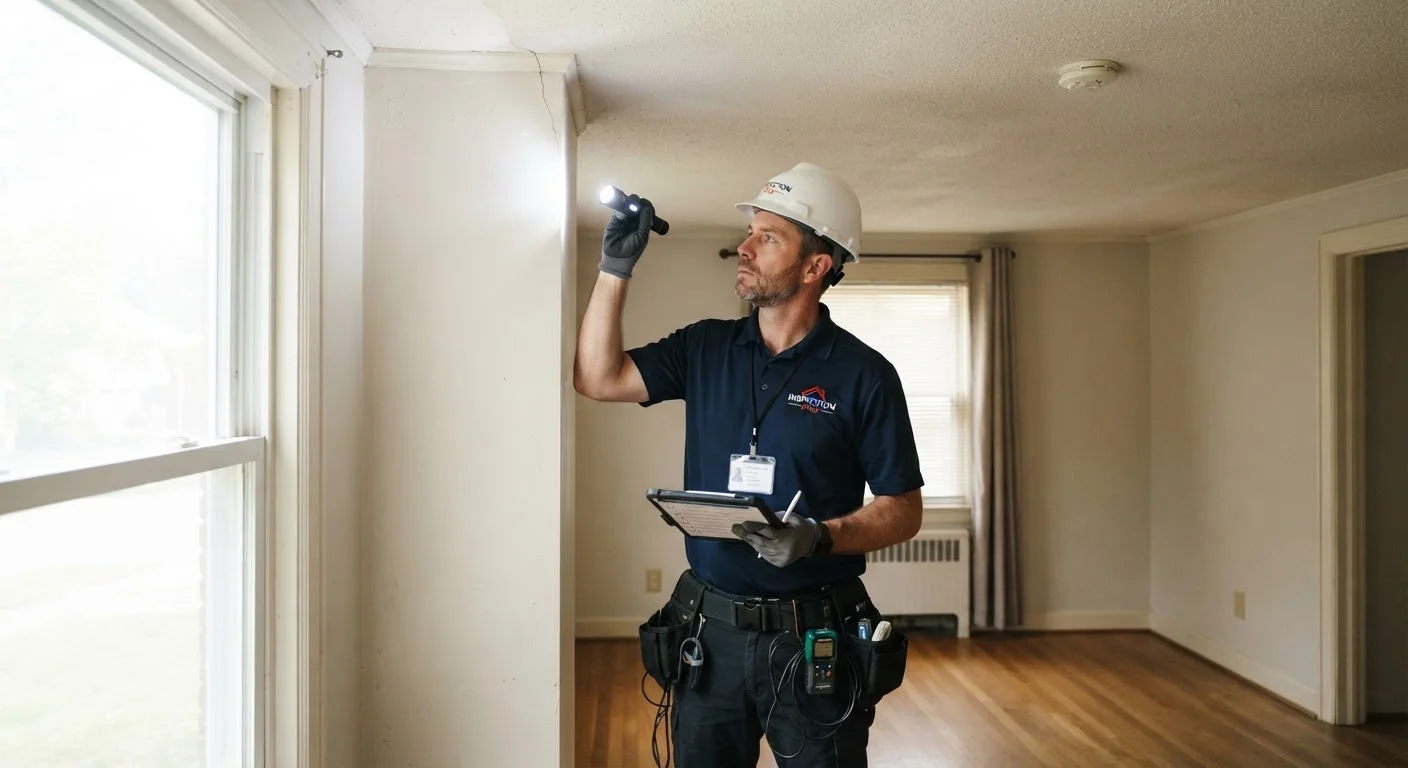
What a Home Inspector Actually Evaluates
Many buyers assume a home inspection is a pass/fail test. It isn't. A licensed inspector performs a visual, non-invasive assessment of the property's accessible systems and components. The standard scope typically includes:
- Roof — condition of shingles, flashing, gutters, and visible decking
- Foundation and structure — signs of settling, cracks, or framing issues
- Electrical system — panel condition, visible wiring, and outlet grounding
- Plumbing — water pressure, drain function, water heater condition
- HVAC systems — heating and cooling equipment operation and age
- Insulation and ventilation — attic and crawl space conditions
- Windows, doors, and interior surfaces — operation, sealing, and visible damage
The inspector documents findings with photos and written descriptions, rating items by severity. This report becomes a critical decision-making tool. For more on maintaining these systems after purchase, see the home maintenance resource hub.
Inspection vs. Appraisal: Not the Same Thing
A home inspection and a home appraisal are two distinct processes. An appraisal, typically required by mortgage lenders, determines the market value of a property. An inspection evaluates its physical condition. The two are conducted independently, by different professionals, and serve different purposes. Buyers sometimes confuse them — both happen around the same time in a transaction.
What Inspectors Are Not Required to Check
Understanding the limits of a general inspection is just as important as knowing what it covers. Inspectors are not typically required to evaluate:
- Concealed or inaccessible areas (behind walls, under flooring)
- Radon, mold, lead paint, or asbestos — these require separate specialty tests
- Sewer lines or septic systems (a separate sewer scope is recommended for older homes)
- Swimming pools, detached structures, or low-voltage systems beyond basic checks
- Pest or termite infestations (requires a separate pest inspection in most states)
Buyers who skip specialty inspections to save a few hundred dollars can end up facing repair bills in the thousands. This is one of the more costly corners buyers cut — a pattern explored in detail in our article on where homebuyers tend to rush due diligence.
Order Specialty Inspections Early
If you're buying a home built before 1980, seriously consider adding radon testing, a sewer scope, and a pest inspection to your due diligence checklist. These typically cost $100–$300 each and can uncover issues that a general inspection is not designed to catch. Scheduling them concurrently with the general inspection keeps your timeline on track.
How Inspection Findings Affect Your Offer
Once the inspection report is in hand, buyers generally have three options: proceed as-is, request repairs, or negotiate a price reduction or credit at closing. The right move depends on the severity of findings and the terms of the purchase contract.
Minor wear-and-tear items — a dated water heater, a sticking door, aging caulking — typically don't justify renegotiation in a competitive market. But significant findings involving the roof, foundation, electrical panels, or HVAC systems are a different matter. These can cost tens of thousands of dollars to address and are legitimate grounds for negotiation.
~86%
Homebuyers who get a home inspection
According to the National Association of Realtors, the vast majority of buyers include a home inspection as part of their purchase process.
$300–$500
Typical cost of a general home inspection
HomeAdvisor and ASHI report that most general inspections for a single-family home fall within this range, varying by region and property size.
14%
Buyers who waived inspections in competitive markets
NAR survey data from recent competitive market periods showed a notable share of buyers skipped inspections to strengthen their offers.
Buyers should also understand that waiving an inspection contingency — a tactic sometimes used to make an offer more appealing to sellers — eliminates legal leverage after the fact. For context on how contract terms shape your protection, our guide on mortgage pre-approval vs. pre-qualification covers related due-diligence essentials.
Ongoing Relevance After Closing
The inspection report doesn't lose its value after you close. It serves as a baseline inventory of the home's condition on the day you purchased it — useful for prioritizing maintenance, planning capital improvements, and even supporting insurance claims if a covered event occurs.
Neglecting issues flagged in an inspection can create problems beyond repair costs. Deferred maintenance on items like roofing, drainage, or electrical systems can affect homeowner's insurance coverage. Our article on home maintenance mistakes that can void insurance coverage explains how overlooked upkeep can put your policy at risk.
For buyers who inherit a roof with flagged concerns, annual monitoring is essential. The annual roof maintenance inspection guide outlines what to look for each year and when to call a professional.
“The inspection is arguably the most important part of the transaction for the buyer. It's the only time before closing where you get an independent, professional set of eyes on what you're actually buying.”
— Carson Dunlop, Home Inspection Training and Standards Authority, Canada/US market educator
Frequently Asked Questions
Most home inspections take two to four hours depending on the size and age of the property. Larger or older homes may take longer. Buyers are generally encouraged to attend so they can ask questions and see issues firsthand.
Yes. Sellers are not legally required to repair every item an inspector identifies. Negotiations over repairs or credits are common, but the outcome depends on the contract terms and the local market. A real estate attorney or agent can help buyers understand their options.
A home inspection report provides important documentation of a property's known condition at the time of sale. However, it does not guarantee the home is defect-free, and inspectors carry professional liability only for what their report covers. Buyers should review the inspection agreement carefully.
An inspection contingency is a clause in a purchase contract that lets the buyer withdraw or renegotiate if the inspection reveals significant issues. Without this clause, a buyer who walks away after an inspection may forfeit their earnest money deposit.
No. New construction homes can still have defects in workmanship, drainage, insulation, or systems. An independent inspection — separate from any builder walkthrough — is advisable even for brand-new properties.
The content on this site is for informational purposes only and is not a substitute for professional advice. Always consult a qualified professional for guidance specific to your situation.