

Summary
22 items · 45–90 minutes
Why Annual Roof Inspections Pay Off
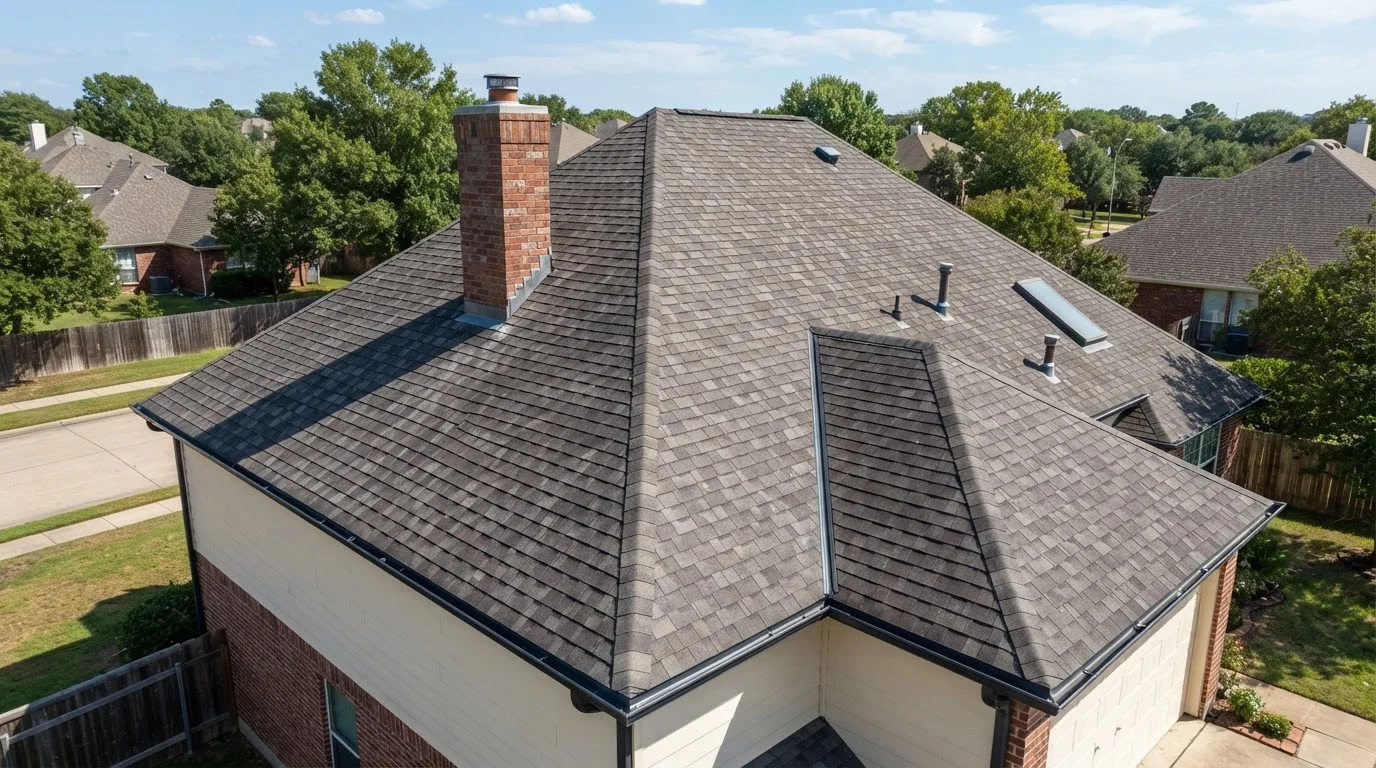
Your roof is the first line of defense against rain, wind, snow, and heat — yet it's one of the most neglected systems in a typical home. Most roofing problems don't announce themselves until water appears on a ceiling, at which point the damage extends well beyond the roof surface. A structured annual inspection changes that equation entirely.
Catching a cracked piece of flashing (the metal strips that seal joints around chimneys, vents, and skylights — see our plain-language glossary of home maintenance terms if any of these terms are unfamiliar) costs far less than repairing the rotted decking and interior water damage it can cause if ignored for a season or two.
Neglected roofs can also affect your homeowners insurance. Carriers may deny claims or reduce payouts when deferred maintenance is found to have contributed to a loss. Our companion article on home maintenance mistakes that can void your insurance coverage covers this in detail.
This checklist walks through every zone of a roof system — surface, flashings, gutters, and attic — so you can conduct a thorough review once a year, ideally in late spring or early fall when weather is stable and any storm-season damage is fresh.
Avoid Walking on Your Roof Without Training
Walking on a roof without proper equipment and experience carries real fall risks and can crack or dislodge shingles. For most homeowners, a thorough ground-level and attic inspection identifies the same issues without the hazard. If roof-surface access is necessary, hire a licensed roofing professional who carries appropriate insurance and safety equipment.
What You'll Need Before You Start
You don't need to climb onto your roof to complete most of this inspection. The majority of checks can be done from the ground using binoculars, from a ladder positioned at the eave, or from inside your attic. Limit any direct roof access to single-story sections with low pitch, and always follow ladder safety guidelines.
Binoculars
Allow detailed visual inspection of the roof surface, ridge, and flashings from the safety of the ground.
Extension ladder
Provides access to inspect gutters and eave-level flashing at close range without walking on the roof.
Flashlight or headlamp
Essential for a thorough attic inspection to spot stains, moisture, and gaps in the roof deck.
Smartphone camera
Document problem areas with dated photos so you can track changes and show contractors specific issues.
Gutter scoop or garden trowel
Removes debris from gutters efficiently during the drainage portion of the inspection.
The Annual Roof Inspection Checklist
Work through each group systematically. Note the date, any items flagged, and photographs where helpful. A simple notes document or printed checklist makes it easier to track changes year over year.
Ground-Level Exterior Check
Shingle Condition
Flashing Inspection
Gutters and Drainage
Attic Interior Assessment
Act Promptly on Any Signs of Active Leaks
If your attic inspection reveals active moisture, fresh staining, or visible daylight through the deck, treat this as an urgent repair — not a deferred item. Water infiltration can damage insulation, framing, and interior finishes quickly, and mold can begin developing within 24–48 hours of sustained moisture exposure. Contact a licensed roofing contractor for assessment as soon as conditions are safe to do so.
When to Stop Inspecting and Call a Professional
This checklist is designed for visual assessment, not repairs. Several conditions — sagging ridge lines, widespread granule loss, damaged or missing flashings, significant moss or algae coverage, and any suspected structural issue — warrant a licensed roofing contractor, not a DIY fix. Many local jurisdictions also require permits for roof replacement work; your contractor should handle those requirements.
If your attic inspection reveals signs of moisture infiltration or inadequate ventilation, that's worth addressing alongside any roofing work. Our guide on attic ventilation and insulation explains how those systems interact with roof performance. Likewise, gutter and drainage issues you uncover should be addressed as a connected system — see our coverage of gutters, downspouts, and drainage for a full breakdown.
Pair this roof check with a broader seasonal routine. Our seasonal home maintenance calendar puts every inspection task — roof included — into a month-by-month framework that prevents things from slipping through the cracks.
This article is for general informational purposes only and does not constitute professional roofing, structural, or legal advice. Requirements for permits, licensed contractors, and safe work practices vary by location. Always consult a qualified roofing professional before undertaking repairs, and verify local code requirements with your municipality.
The content on this site is for informational purposes only and is not a substitute for professional advice. Always consult a qualified professional for guidance specific to your situation.