

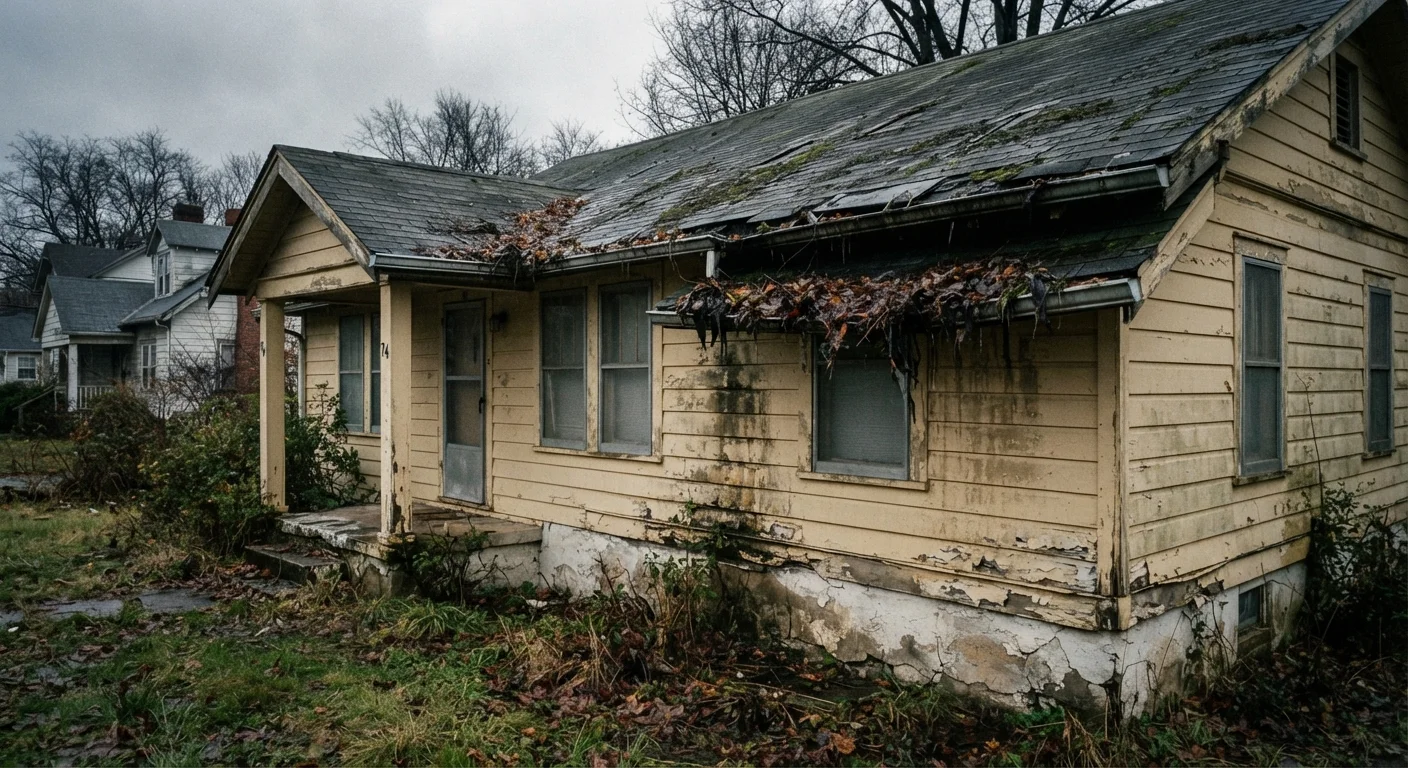
Why Maintenance Voids Coverage More Often Than Homeowners Expect
Most homeowners carry insurance with confidence, assuming that if something goes wrong, they're protected. What many don't realize is that their policy likely contains broad exclusions for damage the insurer can trace to ongoing neglect. These exclusions aren't rare edge cases — they're standard language in most policies sold across the United States.
The core distinction insurers draw is between sudden, accidental events (a tree falls through your roof, a pipe bursts from a manufacturing defect) and gradual deterioration that a reasonable homeowner should have caught and corrected. When an adjuster investigates a claim, they're looking at the whole picture — and deferred maintenance is often visible to a trained eye even when it wasn't obvious to the homeowner.
Deferred maintenance already costs homeowners more in repairs — the insurance dimension adds another layer of financial exposure that rarely gets discussed until it's too late.
Your Policy May Have Teeth
Standard homeowners insurance policies typically exclude damage caused by "wear and tear," "neglect," or "lack of maintenance." These aren't fine-print technicalities — insurers actively cite them when reviewing claims. Reading your declarations page and exclusions section is the only way to know exactly where your obligations lie. If anything is unclear, consult a licensed insurance agent before a problem arises.
This article provides general information about homeowners insurance and maintenance practices. It is not personalized insurance, legal, or financial advice. Policy terms, exclusions, and coverage vary significantly by insurer and state. Always review your actual policy documents and consult a licensed insurance professional for guidance specific to your situation.
The Maintenance Mistakes Most Likely to Trigger a Denial
Understanding which oversights draw the most scrutiny from adjusters helps homeowners prioritize their upkeep calendar. The following mistakes are both common and consequential — each has a documented track record of complicating or voiding claims.
Ignoring roof damage until a major leak develops.
Why it happens: Roofs are out of sight, and minor damage — missing shingles, cracked flashing — rarely creates visible indoor symptoms right away. Homeowners often assume a roof is fine until water appears on the ceiling.
Letting gutters stay clogged season after season.
Why it happens: Gutter cleaning feels like a minor cosmetic chore, but backed-up gutters force water against fascia boards, into soffits, and toward the foundation. Most homeowners don't connect overflowing gutters to interior water damage or foundation issues.
Failing to address slow plumbing leaks under sinks or around fixtures.
Why it happens: Slow leaks under a cabinet are easy to overlook, especially in low-traffic bathrooms. The damage — warped subfloors, mold growth — accumulates over months before becoming obvious.
Skipping HVAC filter changes and annual system servicing.
Why it happens: Filter changes feel routine and forgettable. But a neglected system running on a clogged filter can overheat, and fire or mechanical damage resulting from lack of maintenance may not be covered.
Leaving known electrical problems unaddressed.
Why it happens: Flickering lights or tripping breakers are sometimes dismissed as minor annoyances. Homeowners delay calling an electrician due to perceived cost or inconvenience.
Not winterizing pipes or outdoor plumbing in freeze-prone climates.
Why it happens: Homeowners in regions that experience occasional but not severe winters may skip winterization, assuming a mild season will spare them. One hard freeze can burst uninsulated pipes.
~35%
Of homeowners claims involve water damage
Water damage and freezing consistently rank among the most frequent homeowners insurance claims, according to industry data from the Insurance Information Institute.
1 in 20
Homeowners files a claim each year
The Insurance Information Institute estimates roughly one in twenty insured homeowners files a claim annually, making proactive documentation especially important.
Maintaining a simple home maintenance log — even a dated folder of photos and receipts — goes a long way toward demonstrating that you've met your obligations as a policyholder. For a structured approach to budgeting for these tasks, see how to think about sizing a home maintenance fund.
Don't Assume Silence Means Coverage
If your insurer has never contacted you about a maintenance issue, that does not mean they've approved your home's condition. Insurers typically only inspect when issuing a new policy or after a claim is filed. By then, deferred maintenance that contributed to a loss may be grounds for a partial or full denial.
Building Habits That Protect Both Your Home and Your Coverage
The overlap between good homeownership and insurable homeownership is almost total. The tasks that prevent costly repairs — clearing gutters, servicing HVAC systems, monitoring plumbing — are the same ones that keep your claims defensible. A few practical habits make this manageable:
- Schedule annual walkthroughs of your home's major systems, ideally before winter and after storm season.
- Keep records of every repair, service call, and inspection with dates, contractor names, and costs.
- Read your policy's exclusions section — specifically the language around maintenance, wear and tear, and mold. If you're uncertain what a clause means, ask your agent in writing.
- Report changes promptly. Renovations, new structures, or changes in occupancy can affect your coverage; notify your insurer when circumstances shift.
If you're buying a home and want to understand the condition you're inheriting, why home inspections matter more than most buyers realize explains what a professional inspection actually reveals — and how those findings translate to future maintenance obligations.
Insurance is designed to protect against the unpredictable. Keeping up with routine maintenance ensures that when the unpredictable does happen, you're covered.
The content on this site is for informational purposes only and is not a substitute for professional advice. Always consult a qualified professional for guidance specific to your situation.