

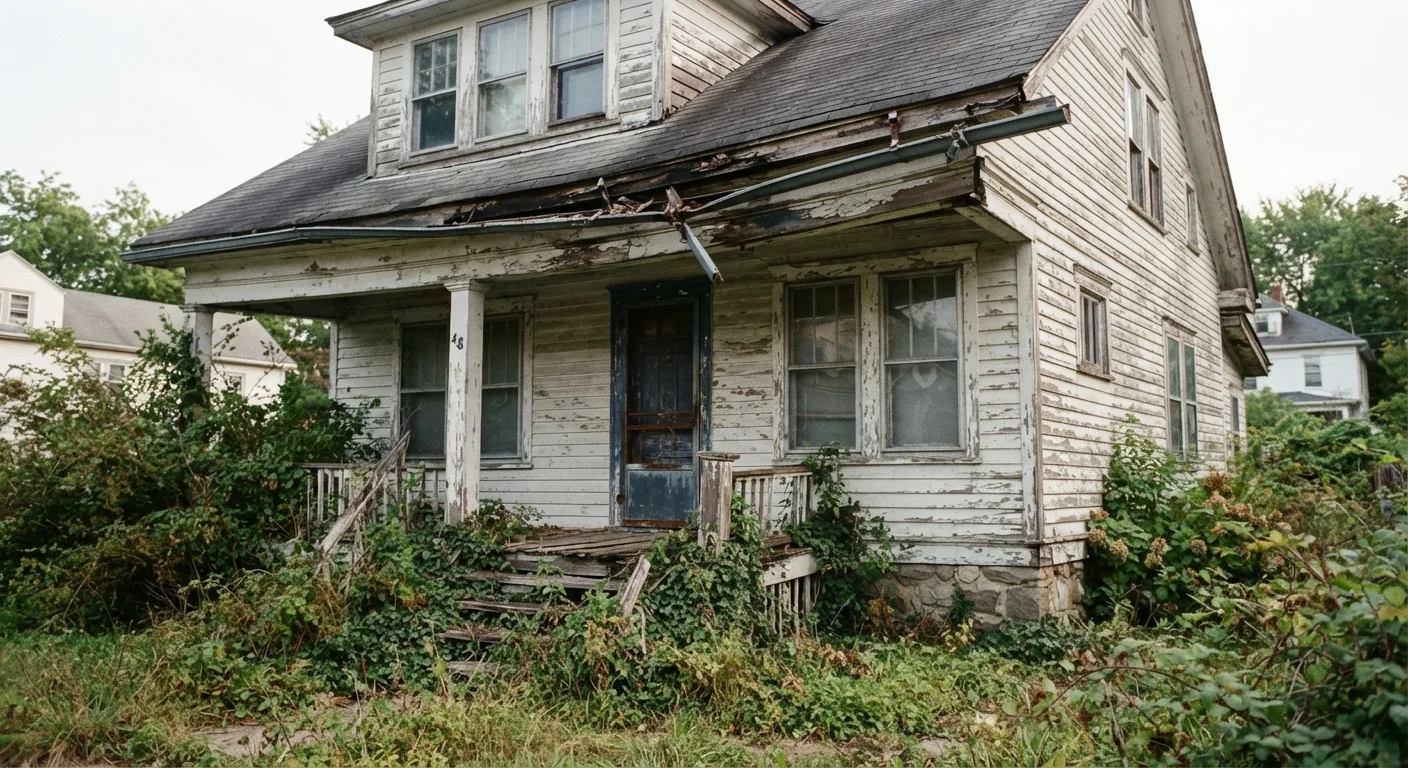
The Hidden Cost of Putting Repairs Off
It's easy to rationalize skipping a repair. The roof isn't leaking — yet. The caulk around the window looks a little cracked, but it's holding. The HVAC system sounds odd, but it's still running. Each small deferral feels like a reasonable financial decision in the moment. Collectively, they represent a pattern that reliably leads to much larger expenses.
Deferred maintenance works against homeowners in a compounding way: the longer a problem goes unaddressed, the more damage it causes to surrounding systems, and the more expensive the eventual repair becomes. A $200 caulking job ignored for two seasons can become a $3,000 window frame replacement once moisture infiltrates the surrounding wall cavity. That pattern repeats across every major home system.
1–2%
Annual home value to budget for maintenance
A widely cited rule of thumb among real estate professionals suggests setting aside 1–2% of a home's purchase price each year to cover routine upkeep and repairs.
3–10x
Cost multiplier for ignored water damage
Home inspectors and contractors commonly report that water-related damage left unaddressed can cost three to ten times more to remediate than the original source repair would have.
35%
Of home value lost to severe deferred maintenance
Appraisal research indicates that significant accumulated deferred maintenance can reduce a property's market value by up to 35% compared to a well-maintained equivalent.
This dynamic is well understood by home inspectors, appraisers, and contractors — but it's often invisible to homeowners until the consequences arrive. Understanding how and why deferred maintenance escalates is the first step toward breaking the cycle.
How Small Problems Become System-Wide Failures
Homes are interconnected systems. A failing roof affects attic insulation, ceiling drywall, and wall framing. A slow plumbing leak undermines subfloor integrity and creates conditions for mold. Neglected HVAC maintenance reduces efficiency, strains components, and shortens equipment life — ultimately requiring full replacement far ahead of schedule.
Water is the most destructive force in residential maintenance. The vast majority of serious structural repairs can be traced back to uncontrolled moisture entry — whether from a failed roof, a cracked foundation, or deteriorating window seals. Exterior maintenance tasks like cleaning gutters, sealing penetrations, and maintaining grading around the foundation are unglamorous, but they are foundational to protecting everything inside.
Schedule Annual Walkthroughs Before Problems Hide
Walk your home's exterior each spring and fall, looking specifically for cracked caulk, damaged flashing, clogged gutters, and soft wood near ground level. Catching deterioration while it's still surface-level keeps repair costs manageable and prevents moisture from gaining a foothold inside your home's structure.
The same principle applies to mechanical systems. HVAC filters, furnace tune-ups, and water heater inspections require minimal investment but dramatically extend equipment life. Skipping these tasks doesn't eliminate the cost — it defers and inflates it. See our seasonal home maintenance guide for a practical timeline of upkeep tasks that prevent escalation.
Financial and Coverage Risks You May Not Anticipate
Beyond repair costs, deferred maintenance carries two financial risks that homeowners often overlook: reduced resale value and compromised insurance coverage.
When a property is listed for sale, a buyer's home inspection will surface a maintenance backlog in detail. Buyers routinely use inspection findings to negotiate price reductions or require repairs before closing. In a market where buyers have options, a well-maintained home commands a premium — and a neglected one absorbs the discount. Just as lifestyle spending habits quietly erode savings, deferred upkeep quietly erodes home equity.
Insurance exposure is equally serious. Homeowner's insurance is designed to cover sudden and accidental damage, not the consequences of ongoing neglect. Insurers may deny claims — or limit payouts — when an adjuster determines that deferred maintenance contributed to the loss. Certain maintenance oversights can quietly void your coverage entirely, leaving homeowners to absorb the full cost of repairs they assumed were protected.
Building a Maintenance Habit That Protects Your Investment
The antidote to deferred maintenance isn't perfection — it's consistency. Homeowners who establish simple, recurring upkeep routines intercept most problems while they're still inexpensive. Annual inspections of the roof, HVAC system, plumbing, and foundation catch deterioration early, before it compounds.
Equally important is having funds available to act on what inspections reveal. A dedicated home maintenance reserve removes the financial friction that causes homeowners to postpone necessary work. Setting aside money specifically for upkeep avoids the financial shock that turns a manageable repair into a crisis.
“Deferred maintenance is really just borrowing against your home's future. The interest rate on that loan is very high — and it compounds whether you're paying attention or not.”
— A licensed home inspector with over 20 years of residential inspection experience, Certified home inspector, speaking generally on residential maintenance patterns
The principle extends beyond homes. Skipping scheduled vehicle maintenance follows the same compounding pattern — and the same lesson applies. Maintenance is not an expense that disappears when you defer it. It waits, and it grows.
This article is for general informational purposes only. Repair costs and maintenance requirements vary significantly by property, location, and condition. Consult licensed contractors, inspectors, or other qualified professionals before making decisions about your home.
Frequently Asked Questions
Costs vary widely depending on which systems are neglected and for how long. A leaking roof ignored for years can lead to structural wood rot, mold remediation, and interior damage that multiplies the original repair cost several times over. Industry guidance generally suggests budgeting 1–2% of a home's value annually for maintenance to stay ahead of deterioration.
Yes, significantly. Buyers and their inspectors will identify maintenance backlogs, which often leads to lower offers or requests for repair credits. Appraisers formally account for deferred maintenance as physical depreciation, which can reduce the appraised value of the property.
It can. Insurers generally cover sudden, accidental damage — not damage resulting from long-term neglect. If an adjuster determines that a loss was caused or worsened by deferred maintenance, the claim may be partially or fully denied. Reviewing your policy terms and keeping up with documented upkeep protects your coverage.
Roof damage, plumbing leaks, HVAC neglect, and foundation issues consistently rank among the most expensive consequences of deferred maintenance. These systems interact with your home's structure, and deterioration in one area frequently causes cascading damage in others.
Start with any issue involving water intrusion, compromised structural integrity, or safety hazards such as faulty wiring or gas connections — these carry the highest risk of escalation and harm. A licensed home inspector can help you triage a maintenance backlog objectively and cost-effectively.
The content on this site is for informational purposes only and is not a substitute for professional advice. Always consult a qualified professional for guidance specific to your situation.