

Why Seasonal Maintenance Matters More Than You Think
Windows and doors do far more than provide entry and light. They form a critical part of your home's thermal envelope — the boundary between conditioned indoor air and the outside environment. When seals fail, frames warp, or hardware corrodes, that boundary breaks down. The result is higher energy bills, water infiltration, and structural damage that compounds quietly over years.
A seasonal home maintenance routine gives you a predictable schedule for catching problems early. Windows and doors deserve a dedicated place in that routine — not just a glance during spring cleaning.
“The most common mistake homeowners make is treating windows and doors as set-it-and-forget-it features. They're dynamic building components that respond to every season, and a small investment in annual maintenance prevents a much larger bill later.”
— Building Science Specialist, Certified home performance consultant and author on residential energy efficiency
The Core Maintenance Practices
The following practices cover the most common failure points across window and door systems. Most can be completed with basic tools and materials available at any hardware store. Work through them systematically each spring and fall for consistent results.
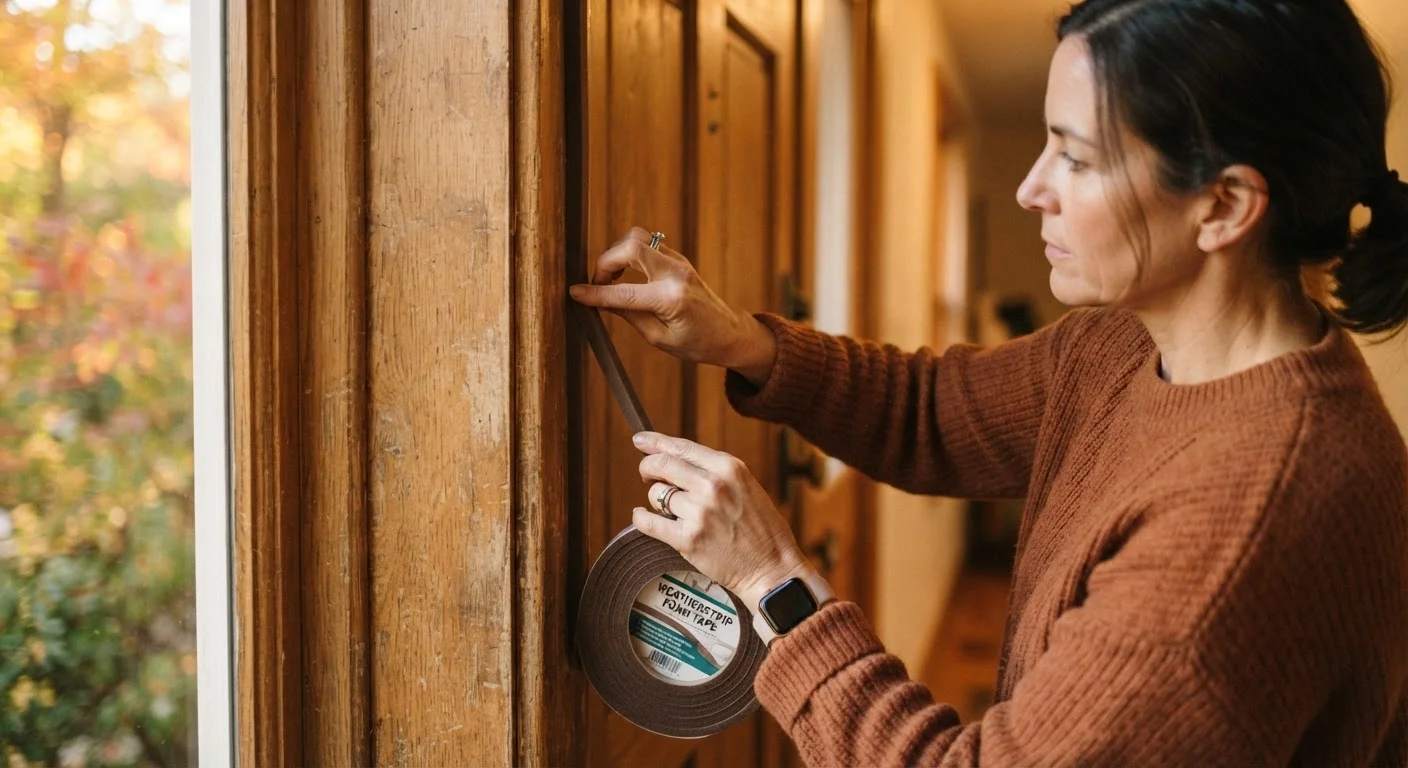
Inspect and replace weatherstripping every spring and fall.
Weatherstripping degrades with temperature swings and physical use. Gaps allow conditioned air to escape and outdoor air — along with moisture and insects — to enter, increasing energy costs and the risk of water damage over time.
Re-caulk window and door frames whenever the existing seal shows cracking or separation.
Caulk shrinks and cracks as it ages, particularly around exterior frames exposed to direct sun. Broken seals admit water that can cause rot in wood frames and mold growth in surrounding wall cavities.
Lubricate hinges, locks, and sliding tracks at least once a year.
Metal hardware corrodes and accumulates dirt, causing stiff operation that puts stress on frames and can cause premature wear. A sticking door is also a security risk if it prevents a clean latch.
Check for fog or condensation between double- or triple-pane glass units.
Cloudiness trapped between glass panes indicates a failed gas seal. Once the inert gas fill escapes, the window loses its insulating value and the fogging cannot be cleaned away without replacing the glass unit.
Clear and test weep holes in window frames each spring.
Weep holes — small openings at the base of window frames — allow water from rain and condensation to drain out. Blocked weep holes trap water inside the frame, accelerating corrosion and rot.
Adjust door hinges and strike plates seasonally to compensate for wood movement.
Wood frames swell in humid summers and contract in dry winters, changing how doors align with frames. Forcing a misaligned door strains hinges and can crack paint or damage the frame over time.
For a broader view of cold-weather preparation, the complete weatherproofing guide covers additional systems beyond windows and doors.
When to Call a Professional
Tasks involving structural door frames, failed insulated glass units, or rotted wood around window openings often go beyond routine DIY. If you notice significant water infiltration, large areas of rot, or frames that are visibly out of square, consult a licensed contractor before attempting repairs. Unpermitted structural work can affect home insurance claims and resale value.
Quick Actions You Can Take Today
You don't need to wait for a scheduled inspection to start improving your home's performance. These immediate actions address the highest-impact issues and take less than an hour combined.
Deferred maintenance on windows and doors can affect more than comfort. As outlined in our guide to maintenance oversights that affect insurance coverage, neglected upkeep may complicate claims if water damage or other issues arise. Staying current with inspections is both a practical and financial safeguard.
The content on this site is for informational purposes only and is not a substitute for professional advice. Always consult a qualified professional for guidance specific to your situation.