

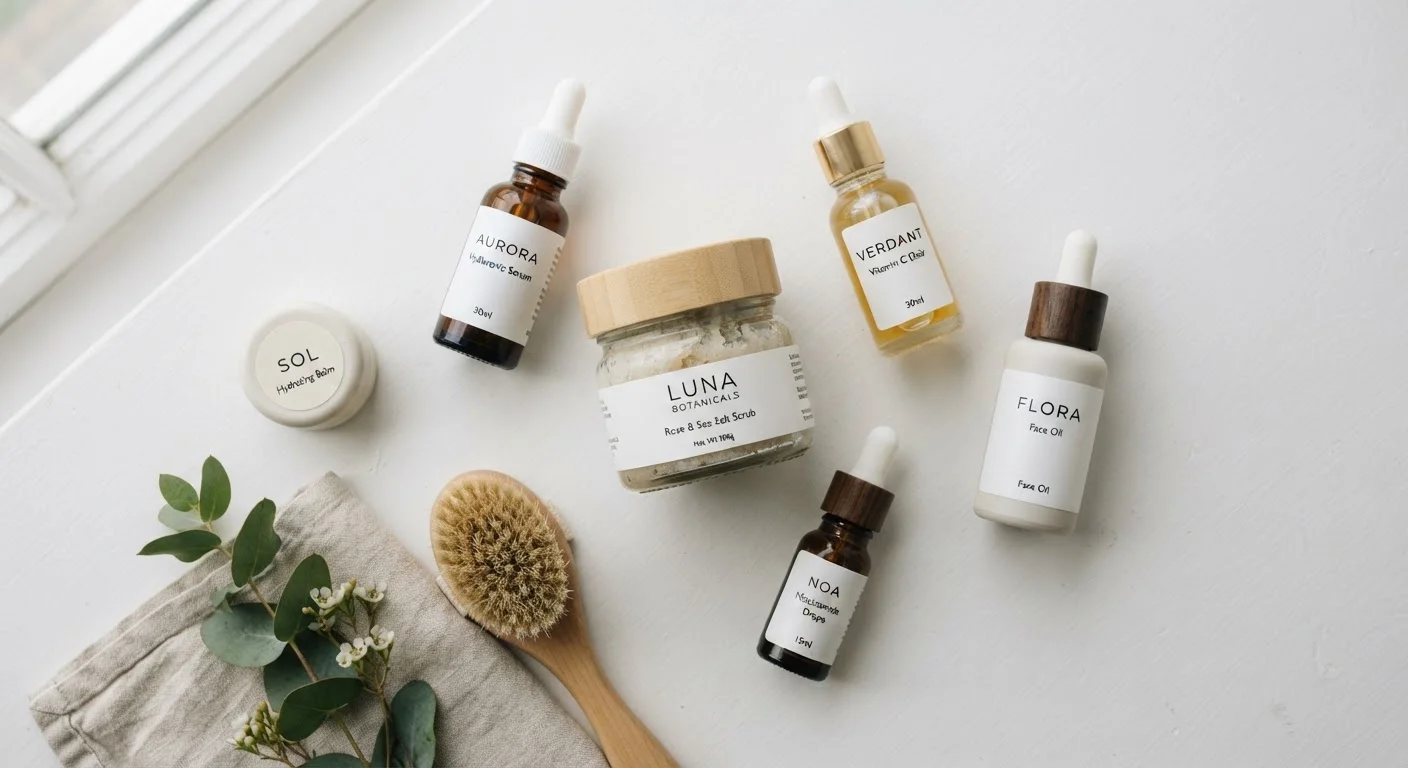
Option A
Physical Exfoliation
The hands-on, tactile approach to smoother skin.
Best for: People who prefer immediate, sensory results and have normal to oily skin without active sensitivity.
Option B
Chemical Exfoliation
The science-backed, deeper-acting skin renewal method.
Best for: Those targeting uneven tone, clogged pores, or sensitivity who want precise, customizable exfoliation.
How Each Method Actually Works
Exfoliation — the process of removing dead skin cells from the surface of your skin — is one of the most impactful steps you can add to a skincare routine. But the word covers two very different mechanisms, and understanding those differences is what helps you pick the right one.
Physical exfoliation relies on manual abrasion. Whether it's a grainy scrub, a cleansing brush, or a textured cloth, the idea is that friction physically dislodges and sloughs off dead cells sitting on the skin's surface. The results feel immediate — that squeaky-clean sensation right after use — which makes this approach intuitive and satisfying for many people.
Chemical exfoliation works from the inside out, in a sense. It uses acids or enzymes to break down the protein bonds that hold dead cells to the skin's surface, allowing them to shed naturally. Common chemical exfoliants include AHAs (alpha-hydroxy acids like glycolic and lactic acid, which work on the surface and are good for dryness and dullness), BHAs (beta-hydroxy acids like salicylic acid, which are oil-soluble and penetrate pores), and enzymes (typically from papaya or pineapple, which are gentler and ideal for sensitive skin). If these terms are new to you, our skincare terminology guide explains them in plain language.
| Criterion | Physical Exfoliation | Chemical Exfoliation |
|---|---|---|
| How it works | Manual friction removes surface cells | Acids/enzymes dissolve cell bonds |
| Results timeline | Immediate smoothness | Gradual improvement over days |
| Best skin types | Normal, oily | Sensitive, dry, acne-prone, all types |
| Penetration depth | Surface only | Surface to within pores (BHAs) |
| Ease of use | Intuitive, no label-reading required | Requires some ingredient knowledge |
| Risk of irritation | Higher with coarse particles or pressure | Lower when concentration is appropriate |
| Targets hyperpigmentation | Minimally | More effectively (AHAs especially) |
| Sun sensitivity after use | Minimal increase | Increased; always follow with SPF |
Matching the Method to Your Skin Type
Your skin type is the most critical variable in this decision. If you haven't confidently identified yours, it's worth pausing here — our guide to knowing your skin type walks you through a practical at-home assessment before you spend money on anything new.
~70%
Adults who over-exfoliate unknowingly
Dermatologists frequently note that compromised skin barrier symptoms — tightness, redness, increased breakouts — are often traced to excessive exfoliation frequency rather than product choice.
2–3x
Recommended maximum weekly exfoliation
Most skincare professionals suggest limiting exfoliation to two or three sessions per week, with beginners starting at once per week to assess tolerance.
Oily and normal skin types tend to handle physical exfoliation reasonably well, provided the scrub uses fine, rounded particles rather than jagged or irregular ones (like crushed walnut shells, which can cause microscopic surface tears). Even so, technique matters — gentle, circular pressure with minimal force is always the goal.
Dry and sensitive skin types are generally better served by chemical exfoliants, particularly enzyme-based options or low-concentration lactic acid, which are among the mildest available. The friction involved in scrubbing can aggravate sensitivity, compromise an already-weakened skin barrier, and cause redness or stinging.
Acne-prone skin tends to respond well to BHAs like salicylic acid precisely because they can enter the pore lining and help clear the congestion that contributes to breakouts — something a surface scrub simply cannot do. Physical exfoliation on active breakouts can also spread bacteria and worsen inflammation.
For combination skin, a hybrid approach is possible: a mild chemical exfoliant across the whole face, with physical exfoliation reserved occasionally for the oilier T-zone only.
Frequency, Layering, and Common Mistakes
Regardless of which method you choose, more is not better. Over-exfoliating — a surprisingly common mistake — strips the skin's natural protective barrier, leading to increased sensitivity, dryness, redness, and even breakouts. Most people do well exfoliating two to three times per week at most, and beginners should start with once a week to observe how their skin responds.
When it comes to layering exfoliants into a full routine, placement matters. Chemical exfoliants are typically applied after cleansing and before moisturizer — and you should always follow with SPF during the day, since acids can increase sun sensitivity. Our skincare layering guide explains the full logic behind product sequencing if you want to build out a complete routine.
Don't Mix Methods in One Session
Using a physical scrub and a chemical exfoliant in the same skincare session significantly raises the risk of irritation, redness, and barrier damage. Your skin can only handle so much disruption at once. If you enjoy both approaches, alternate them on different days rather than stacking them together. When in doubt, start with one method and give your skin at least two weeks to adjust before introducing the other.
One more common misstep: combining both methods in the same session. Using a scrub and then applying an acid — or vice versa — dramatically increases irritation risk. If you want to incorporate both into your weekly routine, alternate them on different days.
If your skin doesn't seem to be improving despite consistent exfoliation, it may be a sign that something else in your routine needs attention. Our routine audit checklist can help you spot gaps or mismatches that are quietly working against you.
The content on this site is for informational purposes only and is not a substitute for professional advice. Always consult a qualified professional for guidance specific to your situation.