

Our Verdict
Expedition cruising delivers genuinely extraordinary access to the world's most isolated and ecologically remarkable places — but it asks a great deal in return. Travelers who thrive here tend to embrace uncertainty, physical activity, and an unscripted journey. Those expecting the amenities and predictability of a mainstream sailing will likely find it a poor fit.
Best suited for adventurous, physically able travelers who prioritize authentic wilderness access and expert-led learning over onboard comfort and scheduled entertainment.
What Expedition Cruising Actually Is
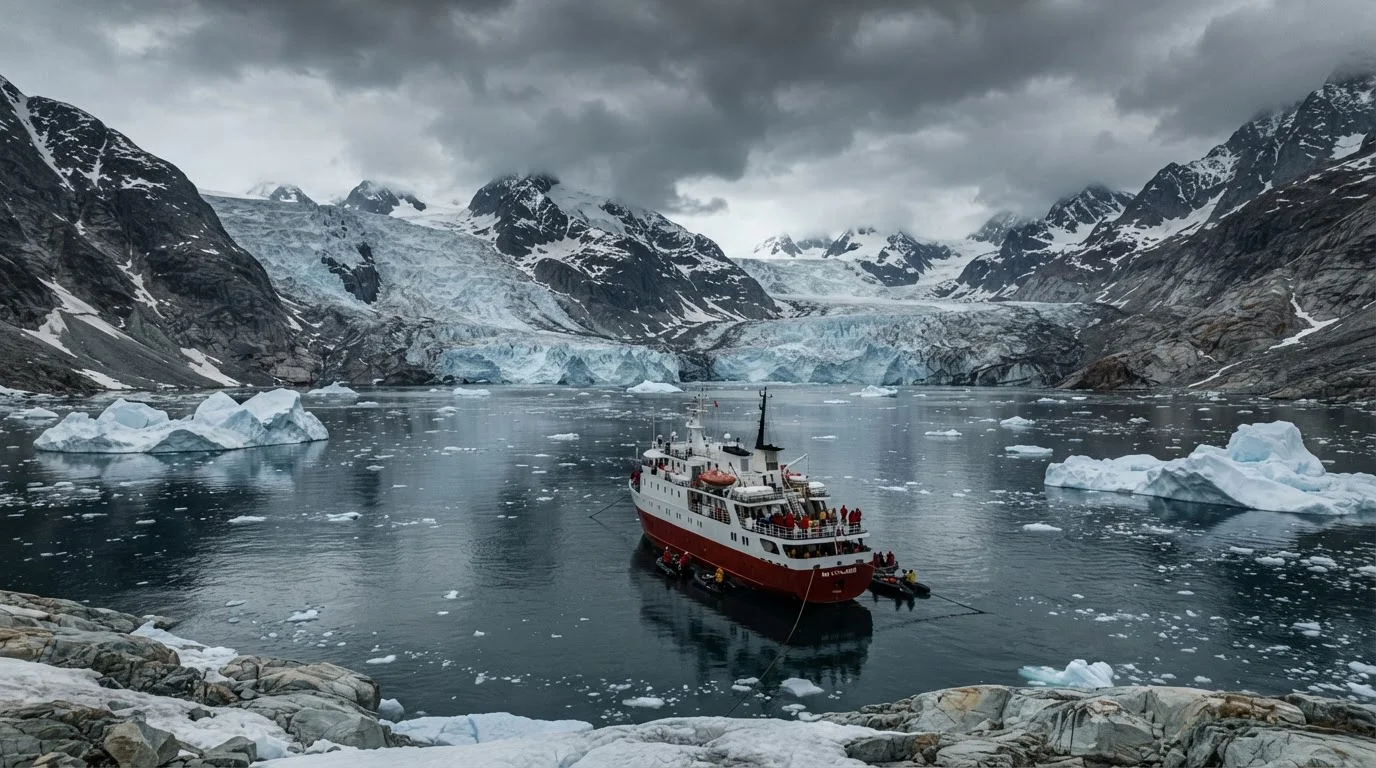
Expedition cruising is a fundamentally different product from the mainstream market. Rather than visiting well-developed port cities, these voyages target destinations that are ecologically significant, historically remote, or simply inaccessible to larger vessels — think Antarctica, the Arctic archipelago, the Galápagos Islands, the Amazon basin, or the sub-Antarctic islands of the South Pacific.
The ships themselves are smaller, often carrying between 50 and 200 passengers, and are ice-rated or purpose-built for rough water operations. They carry Zodiacs (inflatable motorized craft) for wet landings on unimproved shorelines, and their onboard staff typically includes marine biologists, ornithologists, glaciologists, and historians who lead daily excursions and lectures. If you're new to cruising in general, it's worth understanding how standard cruise sailings work before comparing them to expedition voyages.
Expedition vs. Adventure Cruising: A Distinction
The terms 'expedition cruising' and 'adventure cruising' are sometimes used interchangeably in marketing, but they describe meaningfully different products. True expedition cruising involves purpose-built or ice-rated vessels, certified specialist staff, and genuine wilderness landings. Some 'adventure' itineraries are simply scenic sailings on smaller ships without those features. When evaluating any voyage, ask specifically about the vessel's ice rating, staff credentials, and whether shore landings are included and guided.
The Advantages Worth Knowing
For the right traveler, expedition cruising offers experiences that are simply unavailable through any other format.
Access to genuinely remote, protected wilderness areas
Expedition ships can navigate shallow bays, polar channels, and wildlife reserves that standard cruise vessels cannot enter, giving passengers access to landscapes few people ever see.
Expert naturalist and scientist staff onboard
Voyage teams typically include credentialed specialists in ecology, geology, and wildlife biology who lead excursions and evening lectures, creating an immersive educational experience.
Intimate group sizes foster deeper experiences
With far fewer passengers than mainstream ships, landings are conducted in small groups, reducing environmental impact and creating meaningful wildlife encounters rather than crowd-managed ones.
Itineraries respond to real-time conditions and wildlife
Captains and expedition leaders can redirect the ship toward unexpected wildlife sightings or weather windows, making each voyage genuinely unique.
Shore excursions are largely included in the fare
Unlike mainstream cruise lines where excursions are an added cost, expedition voyages typically bundle Zodiac landings, guided hikes, and kayaking into the overall price.
The combination of expert naturalist staff and genuine wilderness access creates a depth of engagement that's rare in modern travel. Passengers don't just observe penguins from a deck — they wade ashore and walk among colonies. They kayak past calving glaciers. They snorkel coral reefs in near-uninhabited waters. The educational component alone distinguishes these trips significantly from a standard regional itinerary.
The Real Challenges to Prepare For
Expedition cruising demands honest self-assessment before booking. The following disadvantages aren't reasons to avoid it — but they are conditions travelers must understand and accept.
Significantly higher cost than mainstream cruising
Expedition sailings routinely cost several times more per night than comparable mainstream voyages, reflecting the specialized vessels, smaller capacity, and expert staff required.
Rough sea conditions are routine, not exceptional
Routes through the Drake Passage, the Southern Ocean, or the North Atlantic can involve sustained heavy swells. Even seasoned sailors find expedition waters genuinely challenging.
Itineraries are subject to frequent, uncontrollable changes
Weather, ice, and wildlife conditions can alter landing sites or port calls with little notice. Travelers expecting a fixed schedule are likely to find this frustrating.
Limited onboard amenities and entertainment
Expedition ships prioritize function over luxury. Expect smaller cabins, few dining options, and no casinos, Broadway-style shows, or resort-style pools.
Physically demanding shore excursions
Wet landings, rocky terrain, and extended outdoor exposure in cold or equatorial climates require a meaningful baseline of mobility and physical fitness.
Medical evacuation is slow and costly in remote regions
In polar or equatorial waters, emergency medical evacuation can take many hours and significant expense — making comprehensive travel insurance essential rather than optional.
Sea conditions in expedition regions are legitimately demanding. The Drake Passage, which separates South America from Antarctica, is one of the roughest stretches of ocean on Earth. Even ice-hardened vessels roll significantly, and seasickness is common. Itineraries are also subject to change at any time based on weather, wildlife activity, or ice conditions — this is not a failure of planning, but a feature of how remote-water travel works.
Cost is another factor that deserves direct attention. Expedition voyages are among the most expensive cruise products available, often running several thousand dollars per person per week before flights and additional costs. For a fuller picture of how cruise pricing works, understanding what's included and what isn't is a useful starting point.
~200
Maximum passengers on most expedition ships
Most dedicated expedition vessels carry between 50 and 200 passengers, compared to several thousand on large mainstream cruise ships.
7–21 days
Typical expedition voyage length
Most polar and remote-water expedition itineraries range from one to three weeks, with transit time to remote regions factored in.
Physical Readiness and Health Considerations
Shore excursions on expedition voyages frequently involve hiking on uneven terrain, boarding and exiting Zodiacs in choppy water, and standing for extended periods in cold or wet conditions. Travelers with mobility limitations, heart conditions, or balance concerns should discuss the trip with a physician before booking. Some operators require medical clearance forms.
This is not a trip category that accommodates all ability levels equally — and that's worth stating plainly. For travelers who want a cruise experience with thoughtful accessibility considerations, understanding what mainstream lines offer may point toward a better fit.
It's also worth noting that medical evacuation from remote polar or equatorial waters is both time-consuming and expensive. Comprehensive travel insurance with medical evacuation coverage is widely considered essential for this type of voyage — not optional. Verify your policy details carefully before departure.
The content on this site is for informational purposes only and is not a substitute for professional advice. Always consult a qualified professional for guidance specific to your situation.