

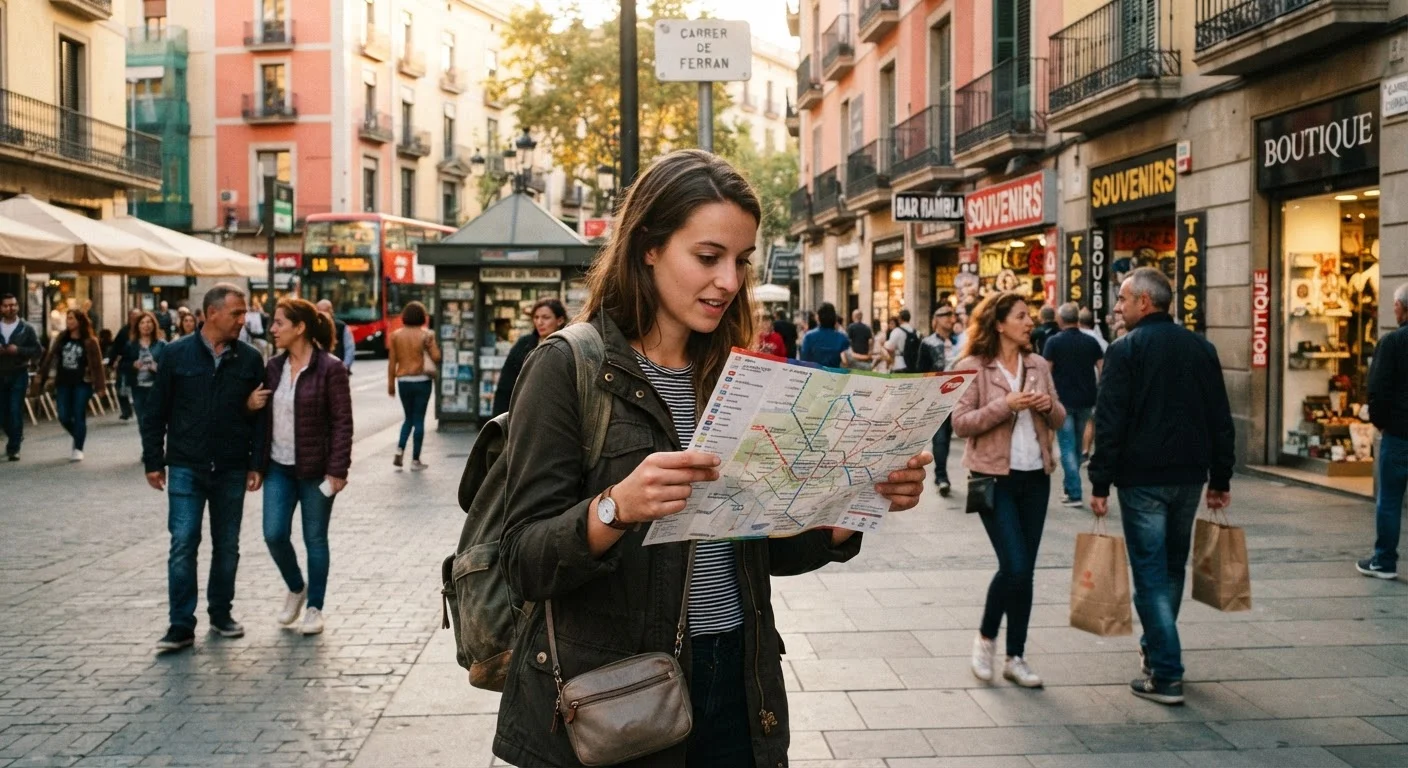
Why Unplanned City Travel Works Better Than It Sounds
The instinct before any trip is to fill the calendar — reserve the museum slot, book the restaurant, map the walking tour. Structure feels like safety. But cities don't unfold on schedules, and some of the most rewarding travel happens in the gaps between plans: the alley market you passed by accident, the neighborhood square that turned into an afternoon of watching local life.
This isn't about being careless or unprepared. It's about understanding that a city is a living system, and the best way to engage with it is to stay responsive rather than rigidly committed. Travelers who explore this way often describe it less as tourism and more as temporary residency — a fundamentally different experience from moving through a checklist.
If you're curious how this approach compares with more structured styles, our look at matching your travel style to the right destination offers useful framing. And if you're drawn to destinations specifically suited to this kind of wandering, smaller European cities tend to be particularly rewarding for unstructured exploration.
Slower Is Usually Better
Resisting the urge to see everything in a single day almost always produces a richer experience. Lingering in one neighborhood long enough to have a second coffee at the same café, or returning to a market at a different time of day, reveals layers that a brisk itinerary never reaches. For a deeper look at this philosophy, see our discussion of slow travel versus itinerary-driven tourism.
What You Need Before You Start
Going in without a fixed itinerary doesn't mean going in without preparation. A few simple tools and a baseline of orientation make the difference between purposeful wandering and feeling anxious and lost.
What you will need
Offline Maps App
Provides navigation without relying on a data connection, essential when roaming in an unfamiliar city.
City Transit Map (digital or paper)
Shows metro, bus, and tram routes so you can orient yourself and move between neighborhoods efficiently.
Small Notebook or Notes App
Lets you jot down street names, interesting spots, and recommendations you pick up along the way.
Daily Cash Allowance
A physical spending limit keeps you grounded when spontaneous decisions — a meal, a museum, a boat ride — add up unexpectedly.
One often-overlooked preparation step is a quick read of current conditions. If you're traveling off-peak, be aware that some attractions, transit lines, or local services may operate on reduced schedules — our piece on off-season travel pitfalls covers this in practical detail.
Safety Awareness Doesn't Require a Rigid Plan
Unstructured exploration doesn't mean ignoring your surroundings. Before arriving, check your government's official travel advisory for the destination and familiarise yourself with any areas the advisory recommends avoiding. Share your general plans with someone at home, and keep emergency contacts — including your accommodation's address in the local language — easily accessible. Spontaneous travel is most enjoyable when it's also informed.
How to Navigate: The Steps
The following steps are designed to give your exploration enough structure to feel grounded without locking you into a schedule. Follow them in order before and during your trip, adjusting to whatever the city offers you on the day.
Sketch a Loose Neighborhood Map Before You Arrive
Spend thirty minutes before your trip identifying three or four distinct neighborhoods in the city — a historic core, a market district, a residential quarter known for street life. You don't need to schedule visits to each; simply knowing they exist gives you directional pull when you step outside your hotel.
Cross-reference a basic transit map with these areas so you understand which lines or bus routes connect them. This is structured spontaneity: you have a mental canvas, not a timetable.
Establish One or Two Anchor Points
Pick a central landmark or transit hub you can always navigate back to — a main square, a river crossing, a major metro station. Anchor points act as reset buttons when you feel turned around, and they give every walk a natural starting point without prescribing where it ends.
Save these locations offline in your maps app and note the nearest transit stop. In most cities, returning to your anchor from anywhere takes fewer than fifteen minutes by transit.
Read the Street Before You Plan the Hour
Once you're on the ground, pay attention to what the city is doing around you. Heavy foot traffic moving in one direction often means a market, a transit station, or a public gathering is nearby. Chalkboard menus outside a café suggest the kitchen is serious. A cluster of strollers in a park signals a neighborhood where locals actually live, not just pass through.
These cues are more reliable than many review platforms for finding places that feel authentic rather than performed. Follow what looks alive.
Use Transit as Exploration, Not Just Transportation
Riding a tram or subway one or two stops past your intended destination is one of the simplest ways to stumble into an unfamiliar block worth exploring. Unlike a taxi, public transit deposits you at street level in functioning neighborhoods, not just tourist corridors.
Study the transit map for end-of-line stations — these are often residential neighborhoods that see almost no tourist foot traffic, and a short walk around them can be quietly revelatory.
Set a Daily Spending Ceiling and Check In at Midday
Spontaneous travel can quietly erode a travel budget — an unplanned museum, a long taxi ride, an irresistible market purchase. Setting a rough daily ceiling before you leave the hotel gives you freedom to say yes to things without anxiety.
At midday, do a quick mental or written tally. If you're on track, the afternoon is yours without reservation. If you've already overrun, shift toward free options: parks, public markets, waterfront walks, free museum hours. For more general budgeting strategies, basic budget tracking approaches can help you build habits that travel with you.
Leave the Final Hour of Each Day Unplanned
The most memorable moments in unstructured city travel tend to happen when you stop looking. Reserve the last hour of your day for wandering without purpose — a walk back from dinner through a different street, sitting in a square as the light changes, following music you hear around a corner.
This isn't lost time; it's when the city reveals the details that no guide thought to mention.
Always Verify Entry and Safety Conditions Officially
Travel conditions — visa rules, local laws, health requirements, security advisories — change and vary by destination. Always check your government's official travel advisory website and the destination country's entry requirements before you depart. Do not rely solely on travel blogs or third-party platforms for information that affects your safety or legal standing.
For travelers interested in taking this approach further — into niche or specialty formats — it's worth knowing that unstructured city travel overlaps meaningfully with several specialty travel styles that rarely appear in mainstream vacation planning.
The content on this site is for informational purposes only and is not a substitute for professional advice. Always consult a qualified professional for guidance specific to your situation.