

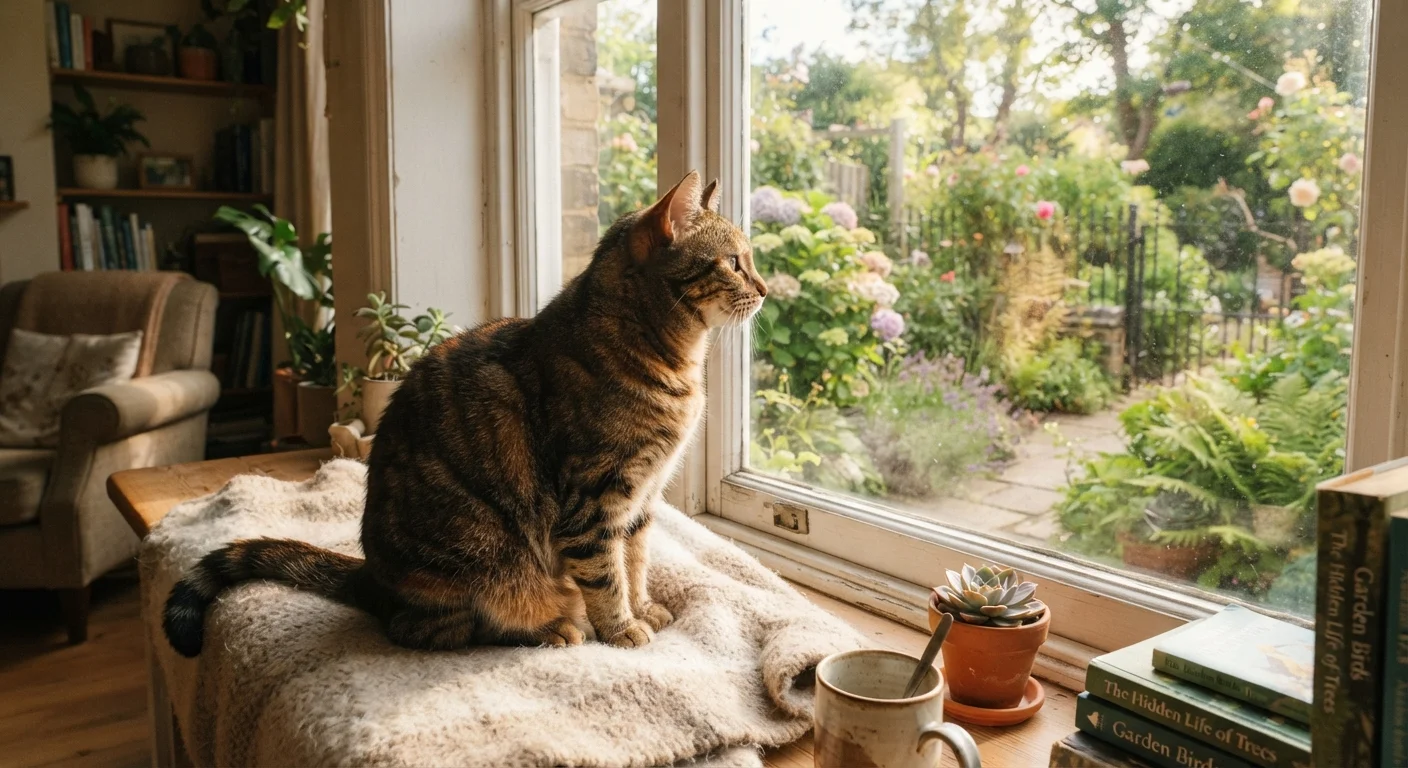
Option A
Indoor Cats
The protected, controlled-environment option.
Best for: Owners prioritizing safety from predators, traffic, and infectious disease, especially in urban or high-traffic areas.
Option B
Outdoor Cats
The active, stimulation-rich but higher-exposure option.
Best for: Cats with strong roaming instincts living in lower-traffic rural or suburban settings, with attentive preventive care.
The Core Difference: Risk Profile, Not Risk Absence
Every cat faces health risks — the difference between indoor and outdoor living is which risks dominate. Understanding that distinction helps owners make proactive decisions rather than reactive ones. Neither lifestyle is risk-free, and care requirements don't disappear based on where a cat spends its time.
Veterinary and animal welfare organizations generally note that indoor cats tend to live longer on average than outdoor cats, largely due to reduced exposure to trauma, infectious disease, and predation. However, indoor living introduces its own set of health vulnerabilities that owners sometimes underestimate. Both lifestyle profiles require a clear-eyed look at what's actually at stake.
For a broader view of how research frames these trade-offs, this overview of the research covers behavioral and safety dimensions alongside the health picture.
| Criterion | Indoor Cats | Outdoor Cats |
|---|---|---|
| Average lifespan (general estimate) | 12–18 years | 5–7 years (varies widely) |
| Injury risk | Low | High (trauma, predators, vehicles) |
| Infectious disease exposure | Low | High (FeLV, FIV, URI) |
| Parasite burden | Lower; still possible | High without year-round prevention |
| Obesity risk | Higher (reduced activity) | Lower (more movement) |
| Behavioral enrichment needs | Must be actively provided | Partially met by environment |
| Vaccination requirements | Core vaccines; fewer lifestyle vaccines | Core plus additional lifestyle vaccines |
| Toxin exposure risk | Low (controlled environment) | Higher (pesticides, plants, antifreeze) |
Health Risks Specific to Indoor Cats
Confined environments reduce physical hazards but create conditions that favor certain health problems. The most common among indoor cats include:
- Obesity: Reduced activity combined with unrestricted calorie access is a leading concern. Excess weight affects joint health, organ function, and longevity — a topic covered in depth in this article on pet obesity's effects on the body.
- Urinary tract issues: Low activity and sometimes inadequate water intake can contribute to urinary crystal formation and bladder inflammation, particularly in male cats.
- Dental disease: Without regular dental care, indoor cats are just as susceptible to periodontal disease as their outdoor counterparts.
- Behavioral problems: Boredom, under-stimulation, and stress can manifest as overgrooming, aggression, or litter box avoidance. Environmental enrichment strategies can meaningfully reduce these risks.
12–18 yrs
Typical indoor cat lifespan
Veterinary sources generally cite indoor cats living significantly longer than outdoor cats, primarily due to reduced trauma and disease exposure.
~50%
Estimated overweight rate in domestic cats
Multiple veterinary surveys have estimated that roughly half of domestic cats in the U.S. are overweight or obese, with indoor-only cats at particular risk.
Top 3
Outdoor hazards causing premature death
Vehicle strikes, predator attacks, and infectious disease are consistently cited by veterinary professionals as leading causes of early death in outdoor cats.
Health Risks Specific to Outdoor Cats
Outdoor access exposes cats to a wider and often more acute set of hazards. These include:
- Trauma: Vehicle strikes, attacks from dogs or wildlife, and falls represent the leading causes of injury and premature death in outdoor cats.
- Infectious diseases: Direct contact with other cats increases exposure to feline leukemia virus (FeLV), feline immunodeficiency virus (FIV), upper respiratory infections, and panleukopenia. Vaccination protocols are especially critical for outdoor cats.
- Parasites: Fleas, ticks, ear mites, intestinal worms, and ringworm are significantly more common in cats with outdoor access. Year-round parasite prevention is typically recommended by veterinarians for these animals.
- Toxin exposure: Pesticides, antifreeze, toxic plants, and rodenticides are real outdoor hazards that indoor cats rarely encounter.
Preventive care habits — including consistent parasite control and up-to-date vaccinations — carry even greater weight when a cat has outdoor access.
Managing Health Across Both Lifestyles
Regardless of lifestyle, routine veterinary check-ups form the foundation of cat health management. Annual exams — or biannual visits for senior cats — allow vets to catch emerging issues early. As cats age, their care needs shift in ways that apply whether they live indoors or out.
For indoor cats, owners should focus on:
- Structured daily play to maintain a healthy weight and reduce stress
- Dental hygiene routines, including tooth brushing or vet-approved alternatives
- Monitoring litter box habits for early signs of urinary or digestive issues
For outdoor cats, priorities shift toward:
- Core and lifestyle vaccinations reviewed with a veterinarian
- Year-round flea, tick, and intestinal parasite prevention
- Regular skin and coat checks for wounds, bites, or parasites after outdoor time
This article is for general informational purposes only and does not constitute veterinary advice. Always consult a licensed veterinarian for guidance specific to your cat's health and circumstances.
The content on this site is for informational purposes only and is not a substitute for professional advice. Always consult a qualified professional for guidance specific to your situation.