

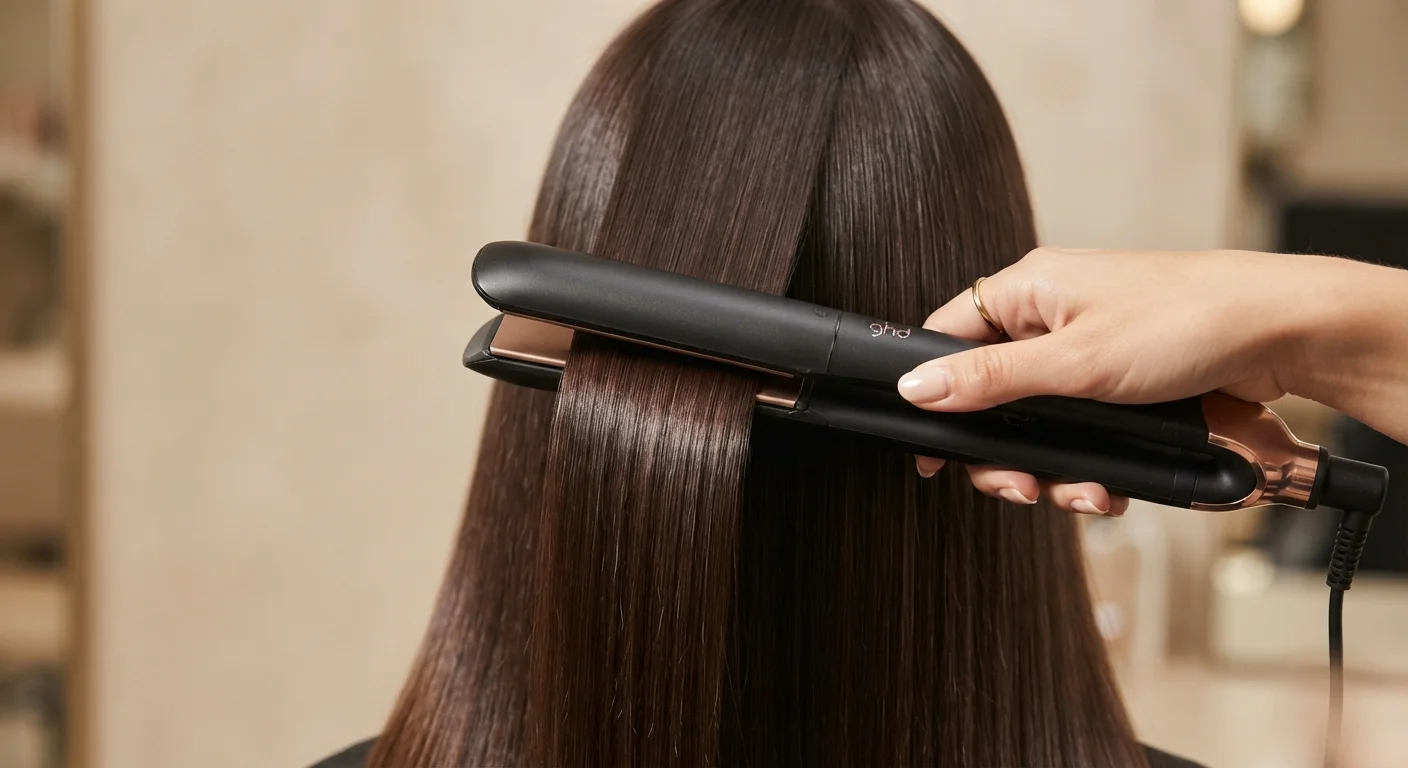
Why Heat Styling Gets Such a Bad Reputation
Few beauty topics spark more anxiety than heat tools. Between flat irons, curling wands, and blow dryers, heat styling is blamed for breakage, split ends, and even hair loss — sometimes fairly, often not. The reality is more nuanced than the headlines suggest, and untangling myth from fact helps you make smarter choices every time you reach for a tool.
Hair is made of keratin, a protein structure that responds to heat in predictable ways. When heat is applied correctly, it temporarily restructures hydrogen bonds in the hair shaft to hold a style. When it's applied carelessly — too hot, too often, on already compromised strands — real structural damage can follow. The difference lies in how you heat style, not simply whether you do it.
To get the full picture on how styling fits into a broader care plan, see our complete hair care routine guide covering every hair type.
Myth
Heat styling always damages hair, no matter what you do.
Fact
Heat styling can damage hair, but damage is largely preventable with the right temperature, technique, and preparation.
Hair begins to sustain structural damage at temperatures above roughly 450°F (232°C), though repeated exposure even at lower temperatures on already fragile strands accelerates wear. Using a heat protectant, choosing an appropriate temperature setting, and limiting unnecessary passes significantly reduces risk. Occasional, well-prepared heat styling is not the same as chronic, unprotected overuse.
Myth
Heat protectants are just marketing — they don't actually do anything.
Fact
Heat protectants provide a measurable barrier that reduces moisture loss and cuticle damage during styling.
Most heat protectant formulas contain film-forming polymers or silicones that coat the hair shaft, slowing heat transfer and reducing the rate at which moisture evaporates under high temperatures. Studies on thermal protection products have found meaningful reductions in tensile strength loss and surface damage compared to unprotected hair. They aren't a magic shield, but they are a genuinely effective tool when used consistently.
Myth
The higher the heat setting, the better and faster your style will hold.
Fact
Excessive heat often does more harm than good — and the optimal temperature depends on hair type, not personal preference.
Fine, color-treated, chemically relaxed, or already porous hair is more vulnerable to heat and benefits from lower temperatures. Cranking up the heat to speed up a blowout or make curls last longer tends to cause protein degradation and moisture loss without proportionally improving the result. Finding the lowest effective temperature for your hair type is a smarter, less damaging approach.
Myth
Air drying is always gentler on hair than using a blow dryer.
Fact
Prolonged air drying can actually stress the hair shaft more than a correctly used blow dryer on a moderate heat setting.
When hair stays wet for extended periods, the cortex (the inner layer of the strand) swells repeatedly as it absorbs water. This cyclic swelling and drying can weaken the strand over time, a phenomenon sometimes called hygral fatigue. Research has suggested that blow drying at a moderate temperature and distance may cause less overall structural damage than leaving hair wet for a long time. The method matters — not just whether heat is involved.
Myth
Once hair is heat-damaged, there's nothing you can do except cut it off.
Fact
While you cannot permanently repair split ends or severely damaged cuticles, conditioning treatments can meaningfully improve strength and appearance of mildly heat-stressed hair.
Protein treatments and deep conditioners temporarily fill gaps in damaged cuticles and restore some elasticity to stressed strands, reducing breakage during styling and detangling. Severe structural damage — where the cortex itself is compromised — cannot be reversed, and trims remain the most effective option for split ends. But a consistent recovery routine can slow further damage and keep moderately stressed hair looking and behaving healthier. Scalp health also plays a supporting role; see our guide on scalp health basics for the full picture.
How to Heat Style Without the Damage
Understanding the myths is only half the battle — putting smart habits into practice is what actually protects your hair long-term.
450°F
Temperature at which significant keratin damage begins
Hair science research indicates that sustained exposure above approximately 450°F (232°C) causes notable protein degradation in the hair shaft.
~30%
Reduction in surface damage with heat protectant use
Studies on thermal protection formulas have observed meaningful reductions in cuticle damage and tensile strength loss compared to unprotected heat-styled hair.
- Match temperature to your hair type. Fine or color-treated hair generally fares better at lower heat settings (around 300°F or below). Coarser or thicker strands can typically tolerate somewhat higher settings. Always start lower and increase only if needed.
- Apply heat protectant to damp or dry hair before styling. Distribute it evenly from mid-shaft to ends, where heat exposure is typically highest.
- Limit passes over the same section. One or two smooth passes accomplish more with less damage than repeated slow drags.
- Keep tools moving. Holding a flat iron or curling wand stationary on a section concentrates heat and increases risk of burning the cuticle.
- Build in recovery time. Deep conditioning treatments and regular trims help offset the cumulative effects of heat over weeks and months.
It's also worth knowing that some everyday grooming habits contribute more to damage than heat tools do. Our feature on grooming habits that quietly damage hair is a useful companion read.
Don't Forget Wet Hair Is More Fragile
Hair is significantly more elastic and vulnerable to breakage when wet. Applying heat tools directly to soaking-wet hair concentrates steam inside the shaft, which can cause internal bubbling damage. Always rough-dry hair to at least 80% dry before using a flat iron or curling tool, and use a blow dryer on a lower setting as an intermediate step when possible.
For a deeper look at what research actually says about drying methods, the air drying vs. blow drying breakdown cuts through the noise with science-backed perspective.
The content on this site is for informational purposes only and is not a substitute for professional advice. Always consult a qualified professional for guidance specific to your situation.