

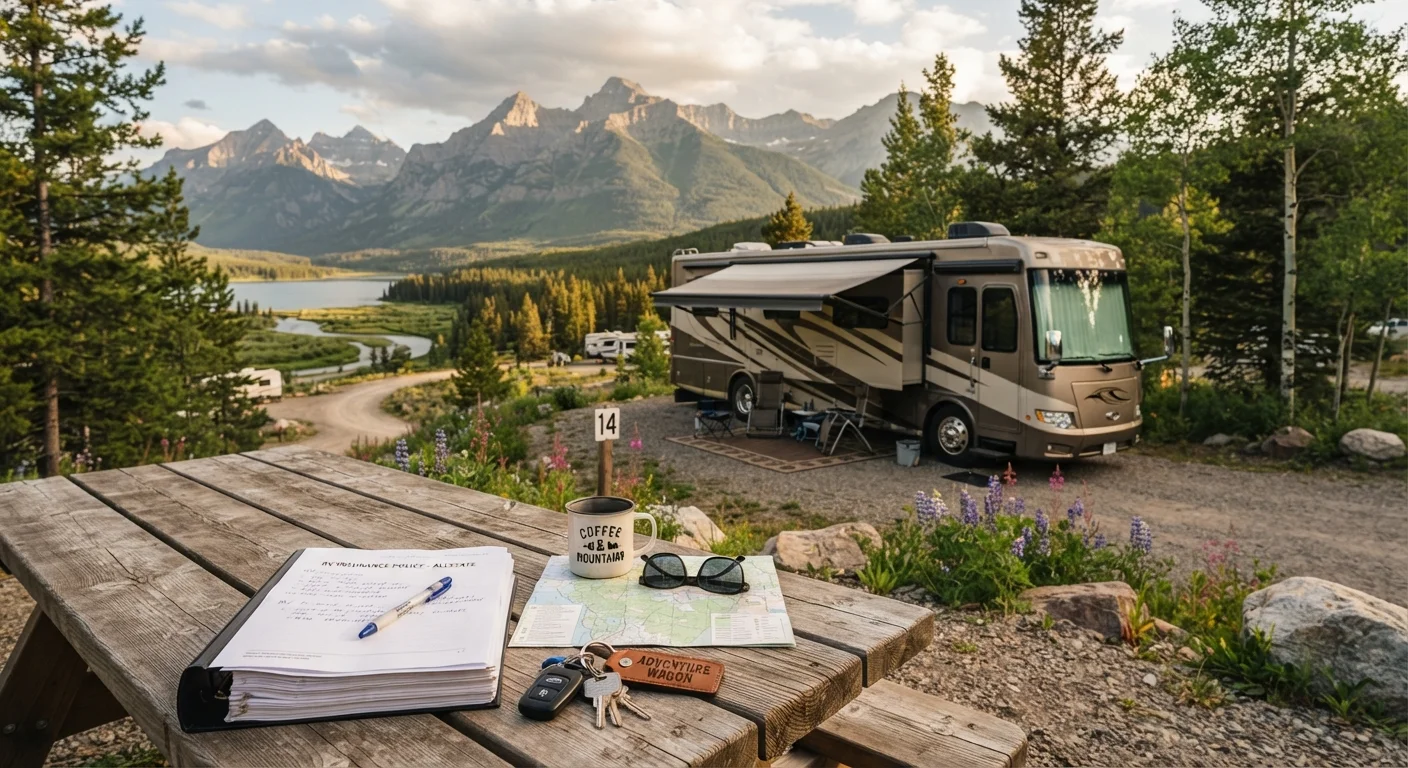
Why RV Insurance Exists in Its Own Category
An RV isn't just a large car, and it isn't quite a house on wheels — it's a hybrid, and insurance treats it that way. Standard auto insurance coverage is built around driving risks: collision, liability while operating a vehicle, and physical damage while moving. What it doesn't account for is the refrigerator full of food, the custom slide-out, or the guest who trips on your entry steps at a campground.
At the same time, homeowners or renters policies aren't built for mobile living. They cover a fixed residence, not a vehicle traveling across state lines. The result is a coverage gap that RV-specific insurance is designed to fill — though how well it fills that gap depends entirely on the policy you purchase and how you actually use your rig.
Whether you're evaluating your first motorhome purchase or reconsidering an existing policy, understanding the structure of RV insurance is the first step. For a broader look at whether owning makes sense for your situation at all, see our realistic comparison of renting vs. owning an RV.
What RV Insurance Typically Covers
Most standard RV policies include several core coverage types that parallel those found in auto insurance:
- Liability coverage: Pays for bodily injury or property damage you cause to others while operating your RV. Required by law for motorized units in all states.
- Collision coverage: Covers damage to your RV resulting from an accident with another vehicle or object, regardless of fault.
- Comprehensive coverage: Covers non-collision losses — theft, fire, hail, flood, falling objects, and similar events.
- Uninsured/underinsured motorist coverage: Protects you if you're hit by a driver with insufficient or no insurance.
Beyond these basics, many RV policies offer optional endorsements that address the unique nature of RV living:
- Personal effects coverage: Covers clothing, electronics, camping gear, and other personal belongings inside the RV — up to a policy limit.
- Vacation liability: Extends liability protection to incidents that occur while the RV is parked and serving as a temporary living space.
- Emergency expense coverage: Pays for lodging or transportation if your RV is disabled far from home due to a covered loss.
- Total loss replacement: Some insurers offer replacement-cost coverage for newer units rather than actual cash value, which accounts for depreciation.
~11M
RV-owning households in the U.S.
According to the RV Industry Association, approximately 11 million U.S. households owned an RV as of recent survey data, reflecting widespread but varied usage patterns that affect insurance needs.
1 in 3
RV owners who live in their unit full-time or part-time
Industry estimates suggest a significant portion of RV owners use their vehicles as primary or extended-stay residences, a use case that standard recreational policies may not fully cover.
$5,000–$15,000+
Typical cost range for major RV roof repairs
Roofing and water intrusion repairs are among the most expensive maintenance items for RV owners — and are generally excluded from insurance claims as maintenance-related losses.
Common Gaps Owners Discover Too Late
The exclusions in RV policies often surprise owners more than the covered perils do. Here are the gaps that generate the most frustration at claim time:
Mechanical and Structural Wear
Insurance is designed to cover sudden, unexpected losses — not gradual deterioration. Slide-out motor failures, roof membrane delamination, and seal degradation are almost universally excluded as maintenance issues. These can be among the most expensive repairs an RV owner faces. For a closer look at how overlooked maintenance leads to serious damage, our piece on RV roof and seal problems explains the most common failure points.
Full-Time Use Without the Right Policy
If you live in your RV year-round and carry a standard recreational policy, you may have minimal personal property coverage and no liability protection while parked. Full-timers need a policy specifically structured for primary residence use — similar in scope to what renters insurance covers for tenants in a fixed home.
Attached Accessories and Aftermarket Additions
Satellite dishes, solar panels, and custom awnings added after purchase may not be covered under the base policy unless specifically listed. Documenting additions and updating your policy accordingly is important.
Depreciation on Older Units
Actual cash value (ACV) settlements account for depreciation, which can leave owners significantly short when an older rig is totaled. Understanding how your policy values your RV — and whether agreed value or replacement cost options are available — matters before a loss occurs. This parallels the situation gap insurance addresses for financed vehicles.
“The biggest mistake RV owners make is assuming their policy works like their car insurance. The moment you step outside and use that vehicle as a home, you've entered coverage territory that most auto policies simply weren't designed to address.”
— Insurance Industry Education Resource, General guidance from RV insurance consumer education materials
Choosing the Right Level of Coverage
The right RV policy depends on three key factors: how you use the RV, how old and valuable it is, and whether you finance it (which typically requires comprehensive and collision at minimum).
Review Your Policy Before Each Travel Season
Before your first trip of the year, pull out your declarations page and confirm what's covered, what endorsements are active, and what your deductibles are. If you've added solar panels, a generator, or other equipment since your last renewal, contact your insurer to update the policy. Gaps discovered before a loss are far easier to fix than gaps discovered during a claim.
Part-time campers who use their RV a few weekends per season have different needs than full-time travelers. Seasonal storage endorsements can reduce premiums during months the vehicle isn't in use, but it's important to verify that the rig is still covered for non-driving perils like fire or theft while stored.
For towable units — fifth wheels and travel trailers — coverage while parked is often the most important consideration, since these units spend more time stationary than in transit. Compare this to what standard auto coverage stops covering once a vehicle is no longer moving.
This article is for general informational purposes only and does not constitute insurance, legal, or financial advice. Coverage terms, exclusions, and requirements vary by insurer and state. Consult a licensed insurance professional to evaluate coverage appropriate to your specific situation.
Frequently Asked Questions
For motorized RVs, liability insurance is required in every U.S. state, similar to a standard vehicle. Towable RVs like travel trailers are generally not required to carry their own liability policy, as they may be covered under the towing vehicle's policy while in motion — but coverage while parked may not apply. Requirements vary by state, so verify with a licensed insurance agent.
Standard homeowners policies typically do not cover travel trailers as a vehicle or while in transit. Some policies offer limited personal property protection if items are stolen from the trailer, but physical damage and liability coverage while the trailer is being used almost always requires a separate RV policy.
Full-timer policies are structured more like homeowners insurance and typically include personal liability protection, coverage for personal belongings kept in the RV, and loss-of-use coverage if the RV becomes uninhabitable. Standard RV policies often exclude these protections or cap them at very low amounts for part-time users.
It depends on the policy and the cause of damage. Collision and comprehensive coverage may cover these components if the loss results from a covered event like a storm or accident. However, mechanical breakdown of slide-out motors or normal wear on awning fabric is generally excluded.
Vacation liability covers bodily injury or property damage you cause to others while your RV is parked and being used as a temporary residence — for example, if a visitor trips on your awning steps at a campsite. This type of coverage is not included in standard auto policies.
Many RV insurers offer roadside assistance as an optional add-on, but it is not typically included in a base policy. Given the size and weight of RVs, standard auto roadside plans may not dispatch appropriate equipment — RV-specific roadside assistance is generally worth considering as an endorsement.
The content on this site is for informational purposes only and is not a substitute for professional advice. Always consult a qualified professional for guidance specific to your situation.