

What Neutrals Actually Are (And Why They Work)
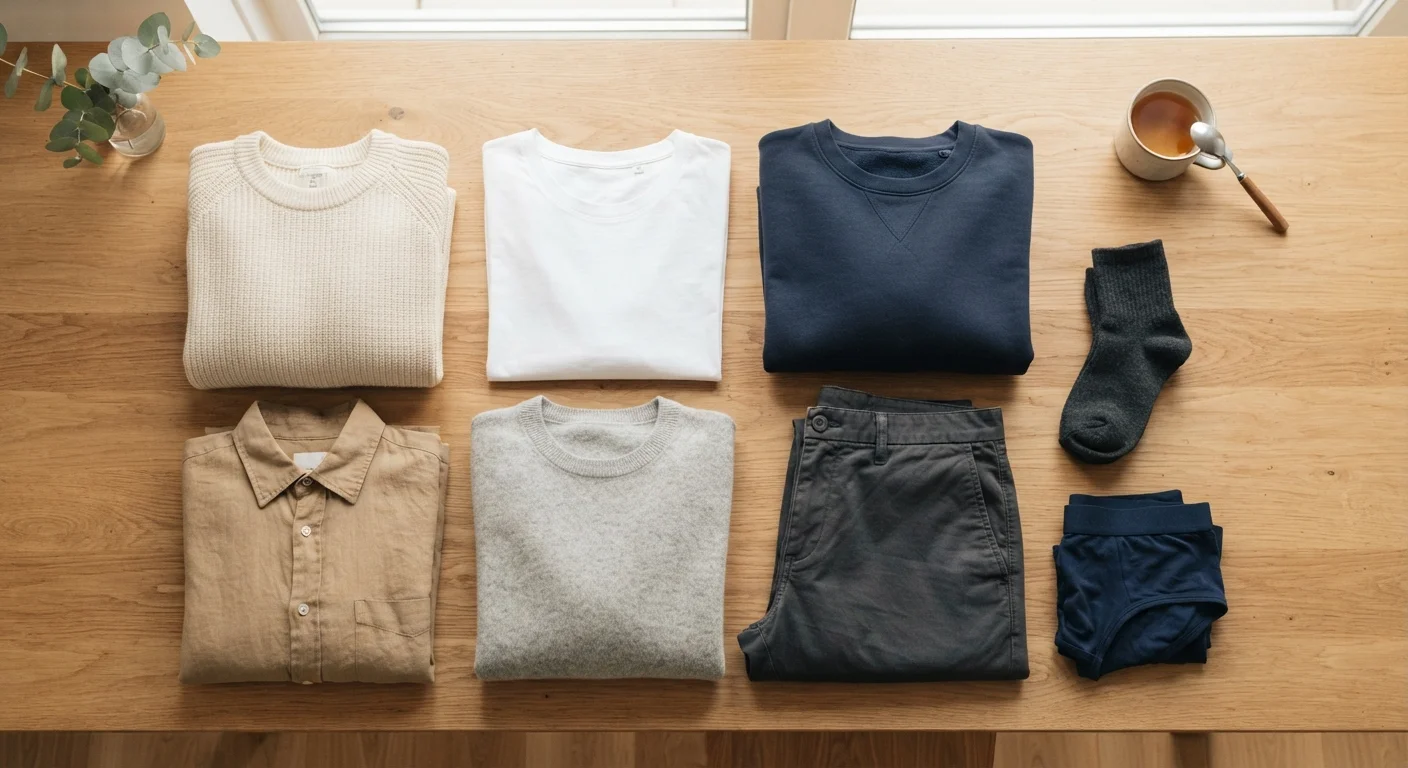
When stylists talk about neutrals, they mean colors that don't compete with other colors — they cooperate. The classic list includes white, off-white, cream, light and medium grey, charcoal, black, navy, camel, tan, and khaki. Some people extend this to include muted olive or soft blush, and that's reasonable. What these shades share is a low visual intensity that allows them to pair with almost anything else in your closet.
The practical magic here is combinatorial. Five neutral tops and five neutral bottoms don't give you 10 outfits — they give you up to 25 combinations before you've added a single statement piece. That math is why a neutral foundation is the backbone of most functional wardrobes, regardless of personal style or budget.
This doesn't mean your wardrobe needs to look beige and boring. Neutrals are the foundation — the reliable layer everything else builds on. For more on how this fits into a complete approach to dressing, the American Everyday Style guide covers the full picture from foundations to finishing touches.
Best Practices for Choosing and Building Your Neutral Foundation
Knowing neutrals are useful is one thing. Knowing which ones to actually buy — and how to build the foundation without wasting money — is where it gets practical.
Choose your core neutral palette before shopping for anything else.
Picking two or three anchor neutrals — say, white, grey, and navy — keeps your pieces cohesive and ensures new additions always have something to pair with. Without this step, it's easy to accumulate shades that technically qualify as neutrals but clash in practice, like warm cream and cool white.
Prioritize fit over everything else when selecting foundation pieces.
A well-fitting $30 white tee looks better than an ill-fitting $150 one. Because neutral basics are worn constantly and form the visible structure of your outfits, poor fit on these pieces is magnified in a way it wouldn't be on an occasional statement item. Tailoring even one or two key pieces can dramatically elevate your baseline look.
Invest relatively more in fabric quality for your highest-rotation pieces.
Neutral basics are worn frequently, washed often, and need to hold up over time. Thin, pilling, or fading fabrics will cost more in replacements than a slightly higher upfront investment. Natural fibers like cotton and wool tend to breathe better, age more gracefully, and look more expensive than lower-quality synthetics.
Build in tonal variation within your neutrals so outfits have depth.
An all-one-shade neutral outfit can look flat or unintentional. Mixing tones — like light grey with charcoal, or ivory with warm tan — creates visual interest without introducing color conflict. This technique is sometimes called 'tonal dressing' and is widely used in minimalist style.
Keep your neutral wardrobe to a manageable, intentional number of pieces.
More is not better when it comes to basics. Having 12 white tees doesn't expand your outfit options the way having 4 white tees and a selection of well-chosen bottoms does. A smaller, deliberate neutral foundation is easier to maintain, organize, and actually wear.
If you're starting from near zero, the Building a Wardrobe from Scratch on a Tight Budget guide walks through exactly how to sequence and prioritize those first purchases.
Adding Personality Without Losing Versatility
A neutral foundation is not a life sentence to monochrome dressing. The point is to give yourself a reliable base so your statement pieces actually shine — and so you don't end up with a closet full of bold items that don't work together. If you've ever opened your closet and felt like you had nothing to wear despite owning a lot of clothes, mismatched statement pieces are often the culprit. The Why Your Outfits Stop Working Together article breaks down that exact problem.
The right ratio of neutrals to statement pieces is genuinely personal, and it's worth thinking through intentionally. The Statement Pieces vs. Basics article offers a useful framework for figuring out what works for your actual life.
Accessories Are Your Personality Layer
Scarves, hats, bags, shoes, and jewelry are the easiest way to inject color, pattern, and trend into a neutral wardrobe without disrupting versatility. Because accessories don't need to match your outfit the way clothing pieces do, you can be far bolder with them. A neutral outfit with a bright scarf or a patterned tote reads as intentional and stylish — not plain.
Neutrals at Work and Beyond
One underrated benefit of a neutral-first wardrobe is its cross-context usefulness. A well-fitted white button-down works in a business casual office, at a weekend brunch, and under a blazer for a job interview. Navy trousers pair with a graphic tee on Saturday and a structured blouse on Monday. This kind of flexibility means your everyday wardrobe and your work wardrobe can largely be the same wardrobe — saving real money and closet space. The Dressing Well for Work Without a Dedicated Work Wardrobe guide explores exactly how to pull that off.
~60%
Wardrobe items rarely worn by average consumers
Research from wardrobe psychology and consumer behavior studies consistently suggests most people regularly wear only a fraction of what they own, often because pieces don't coordinate well.
25+
Outfit combinations from 10 neutral pieces
Five interchangeable neutral tops paired with five neutral bottoms can produce up to 25 unique combinations before any statement pieces are added.
The bottom line: neutrals aren't a style choice that erases your personality. They're a practical infrastructure decision that makes every other style choice work better. Start with the foundation, then build whatever version of your personal style you want on top of it.
The content on this site is for informational purposes only and is not a substitute for professional advice. Always consult a qualified professional for guidance specific to your situation.