

Our Verdict
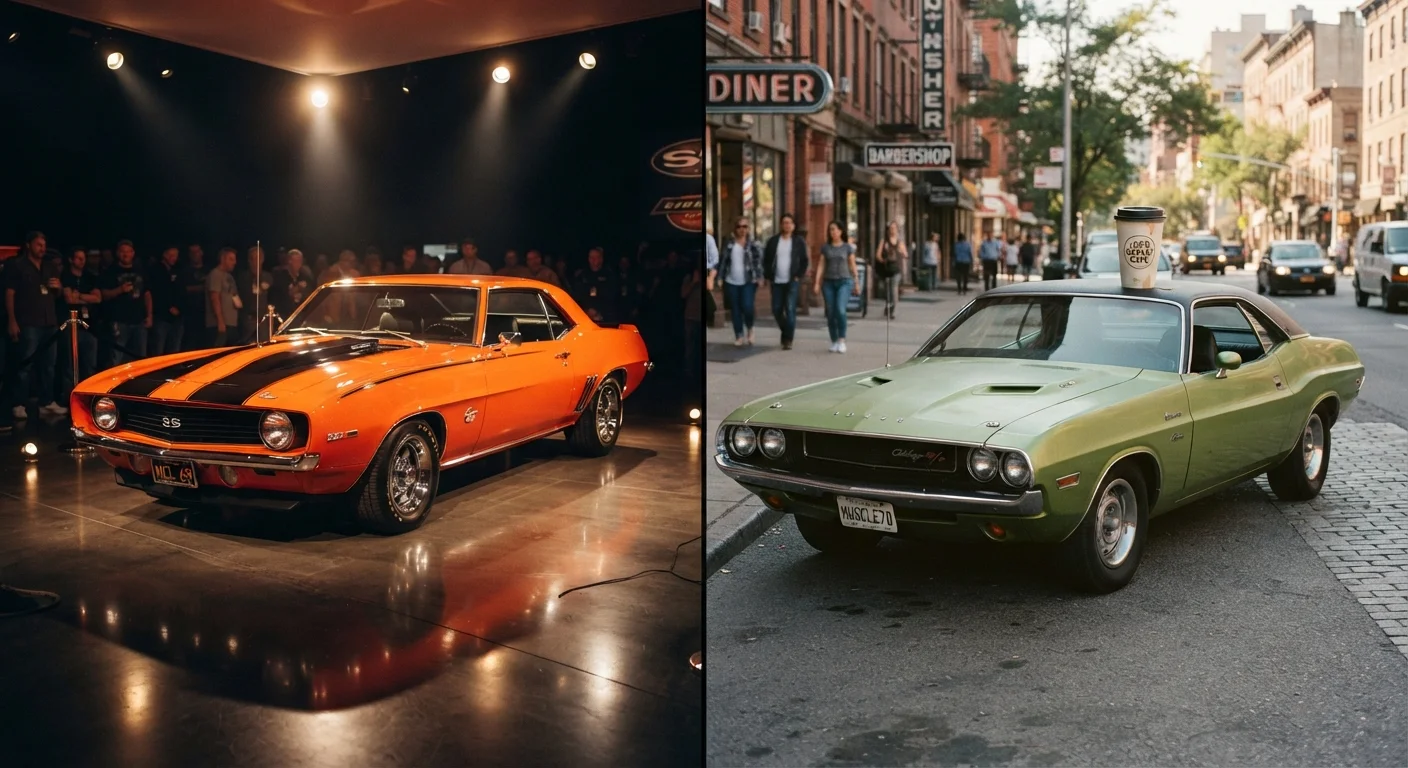
Neither path is objectively better — daily driving a classic delivers authentic connection and real utility at the cost of condition and value, while show-car preservation protects your investment but limits hands-on enjoyment. The right choice depends entirely on why you own the car in the first place.
Daily-driver ownership suits enthusiasts who prioritize the experience of driving over preservation, while show-car ownership is better suited to collectors focused on historical authenticity, competitive judging, or long-term value.
Two Philosophies, One Garage
Owning a classic car sounds like a single hobby, but the moment you decide how you'll use it, you've committed to one of two fundamentally different ownership models. The daily driver accepts wear as part of the relationship. The show car treats every mile as a potential deduction from a judging sheet. Understanding the trade-offs before you commit — or before you restore — can save considerable money, frustration, and heartache.
For a broader grounding in what classic ownership actually involves from the start, see The Classic Car Collector's Starting Point. This article focuses specifically on how your intended use reshapes everything from maintenance philosophy to insurance.
The Case for Daily Driving a Classic
There's something irreplaceable about driving a 50-year-old vehicle through modern traffic — the tactile feedback, the sound, the way strangers react at intersections. Daily drivers get used, and that's precisely the point.
Immersive, tactile driving experience every day
Operating a classic vehicle engages the driver in ways modern cars rarely do — mechanical steering, analog gauges, and audible engine feedback create a connection that enthusiasts find deeply satisfying.
Lower initial acquisition cost in many cases
Driver-quality classics are often priced significantly below show-quality examples of the same model, making entry into the hobby more accessible without sacrificing the core experience.
Conversational and cultural value in daily life
A classic parked at a grocery store or office attracts attention and conversation in ways few modern vehicles do, making it a natural expression of personal identity and enthusiasm.
Forces practical mechanical familiarity
Regular use means regular maintenance needs, which often motivates owners to develop hands-on knowledge of their vehicle's systems — a rewarding aspect of the hobby for many.
That said, daily use introduces real mechanical stress. Classic vehicles typically lack modern safety features such as anti-lock brakes, electronic stability control, and airbags. Rubber seals, gaskets, and weatherstripping degrade faster under regular thermal cycling. Sourcing replacement parts for routine wear items — brake pads, filters, belts — can be time-consuming and costly depending on the marque and era. For a realistic look at how driving life intersects with vehicle choice, Matching a Vehicle Type to Your Actual Driving Life provides a useful framework.
The Case for Show-Car Preservation
A concours-quality classic — one maintained or restored to period-correct standards — represents a different kind of commitment. The goal shifts from enjoyment per mile to authenticity per point on a judging sheet.
Strict usage limits constrain spontaneous driving
Show-quality cars are typically trailered to events rather than driven, meaning owners often go weeks or months without actually operating the vehicle on public roads.
Restoration investment erodes with every mile
A concours-restored classic depreciates in show value the moment it accumulates road wear, making every drive a trade-off between enjoyment and competitive standing.
Storage and upkeep costs are ongoing and significant
Climate-controlled storage, regular detailing, and preventive maintenance to keep a static vehicle in show condition add up to a substantial annual expense even when the car rarely moves.
Limited practical utility for everyday ownership goals
A show car cannot serve as backup transportation in an emergency, and its condition requirements can make even loading it onto a trailer a stressful event.
Show-car ownership demands disciplined storage and a near-zero tolerance for casual use. Even trailering to events carries risk: road debris, loading vibration, and humidity changes can mar a fresh restoration. Classic Car Storage Done Right covers the preparation steps that protect paint, seals, and mechanical components during the long stretches between events.
Originality questions also loom large in the show world. Understanding concepts like matching numbers — and what they actually mean for judging and market value — matters more for show cars than daily drivers. See Classic Cars and Originality: The Myths Around 'Matching Numbers' for context.
Insurance and Legal Considerations
How you use the car directly determines what kind of insurance you need — and classic car policies are structured very differently from standard auto coverage.
1,000–5,000
Typical annual mileage cap on classic car policies
Many specialty classic car insurance policies limit annual mileage to this range; exceeding it can affect coverage terms depending on the insurer and policy type.
~30–50%
Typical value premium for show-quality over driver-quality
According to general market observations from collector car auction houses, concours or show-quality examples of the same model frequently command a significant premium over driver-quality counterparts.
Agreed-value policies, which pay out a pre-agreed amount without depreciation in the event of a total loss, are common in the classic car space. However, they typically come with mileage caps — often between 1,000 and 5,000 miles annually — and may restrict use to shows, club events, and pleasure driving rather than commuting. Daily driving a classic on a show-car policy can void coverage entirely.
Conversely, insuring a show-quality classic under a standard daily-driver policy may undervalue the vehicle significantly, leaving you exposed in a total-loss scenario. Classic Car Insurance: How Coverage Differs from a Standard Auto Policy explains these distinctions in detail. Always verify the specific terms of any policy with a licensed insurance professional before making coverage decisions.
A Note on Registration and Emissions
In many U.S. states, vehicles above a certain age — commonly 25 or more years old — are exempt from standard emissions testing requirements, which can simplify annual registration for classic owners. However, exemption rules vary significantly by state, and some jurisdictions have different thresholds or additional requirements. Always verify current registration and inspection requirements with your state's motor vehicle authority before assuming exemption applies.
Restoration Philosophy Follows Use
How you intend to use the car should guide how — and how extensively — you restore it. A restomod, which blends vintage styling with updated mechanicals such as disc brakes, fuel injection, or modern suspension, makes a classic far more viable as a daily driver. A concours restoration, which pursues period-perfect authenticity, is optimized for the show field, not rush-hour traffic.
These two philosophies are explored in depth in Restomod vs. Concours Restoration. The key point here: restoring a car to concours standards and then driving it daily effectively undoes a significant portion of that investment over time. The restoration philosophy should be chosen deliberately, not defaulted into.
For those who want the show experience without sacrificing daily usability, Joining the Classic Car Community outlines the range of events available — many of which welcome driver-quality cars alongside museum-grade restorations.
The content on this site is for informational purposes only and is not a substitute for professional advice. Always consult a qualified professional for guidance specific to your situation.